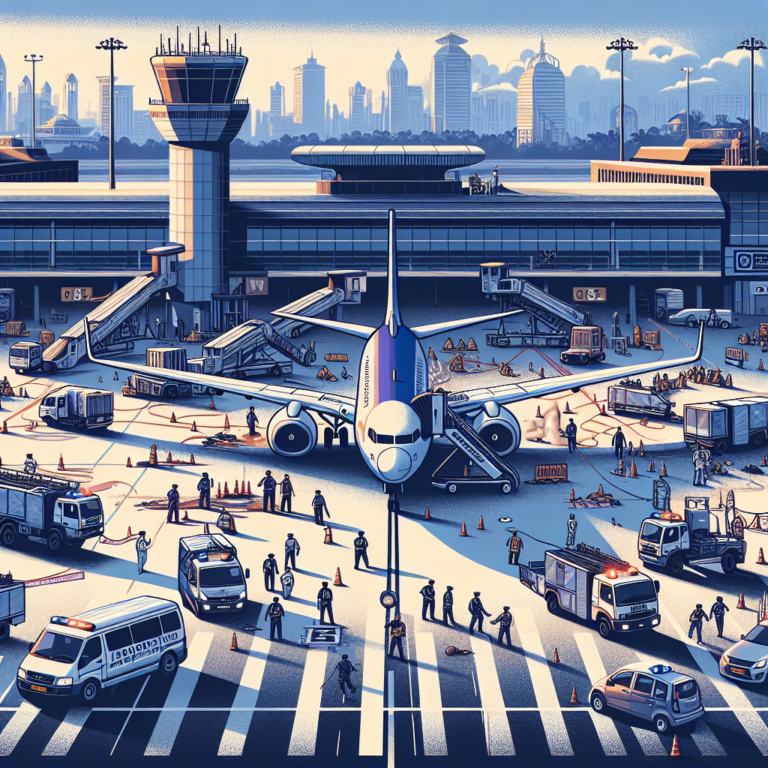
Boeing, FAA Discuss 737 MAX 7 & 10 Stall Management Issues

Boeing Faces Uncertainty Over FAA Exemption for 737 MAX 7 and MAX 10
Introduction
Boeing is currently in a precarious position as it awaits the FAA’s decision on its regulatory exemption request for the Stall Management Yaw Damper (SMYD) system on the 737 MAX 7 and MAX 10 aircraft. This request, submitted in January, highlights the ongoing challenges Boeing faces in meeting heightened regulatory expectations following two tragic crashes involving the 737 MAX 8. The outcome of this request could significantly impact the certification timeline for these critical aircraft models.
Boeing-FAA Regulatory Challenges
The certification process for the 737 MAX 7 and MAX 10 has been fraught with challenges. In response to the fatal incidents involving the 737 MAX 8, the FAA has established stricter certification requirements that scrutinize every component of new aircraft models. Boeing’s inability to meet these enhanced standards, particularly concerning flight control software and system integration, has created significant delays.
- Current Status: "Nothing is concluded… Boeing continues to work with the FAA on the SMYD issue, utilizing extensive analysis and research to determine the right path forward," stated Brian West, Chief Financial Officer of Boeing, on March 19.
If the FAA grants Boeing’s exemption request, the MAX 7 and MAX 10 could potentially receive certification despite not fully demonstrating compliance with the new regulatory standards concerning software systems.
Boeing 737 MAX SMYD System
The SMYD system is integral to the MAX 7 and MAX 10, supporting advanced angle of attack (AOA) safety features that Boeing aims to implement across all MAX variants, including the already-certified MAX 8 and MAX 9. Delays in certifying the MAX 7 and MAX 10 will consequently postpone the rollout of these important AOA updates to existing aircraft models.
- Enhancements: The new system introduces a "synthetic" AOA sensor to complement the existing two mechanical AOA sensors. These modifications were developed as a direct response to the increased regulatory scrutiny following the 2018 crashes.
Industry Opposition to Boeing’s Exemption Request
The Air Line Pilots Association (ALPA) has formally opposed Boeing’s exemption application, urging the FAA to deny it. They argue that granting the exemption would permit the SMYD to operate under less rigorous reliability standards than typically mandated.
For Boeing, securing certification for the 737 MAX 7 and MAX 10 is crucial. The prolonged delays have not only frustrated customers but have also allowed competitors like Airbus to gain a significant market share.
Conclusion: Future Implications for Boeing
As Boeing awaits the FAA’s decision, the implications of this exemption request extend beyond regulatory compliance; they affect the company’s reputation and market position. The aerospace manufacturer must navigate these complexities carefully to restore confidence among customers and regulators alike.
We invite our readers to share their thoughts on Boeing’s regulatory challenges and the future of the 737 MAX series. For related news, check out our articles on aircraft safety regulations and the competitive landscape of the aerospace industry.
References: