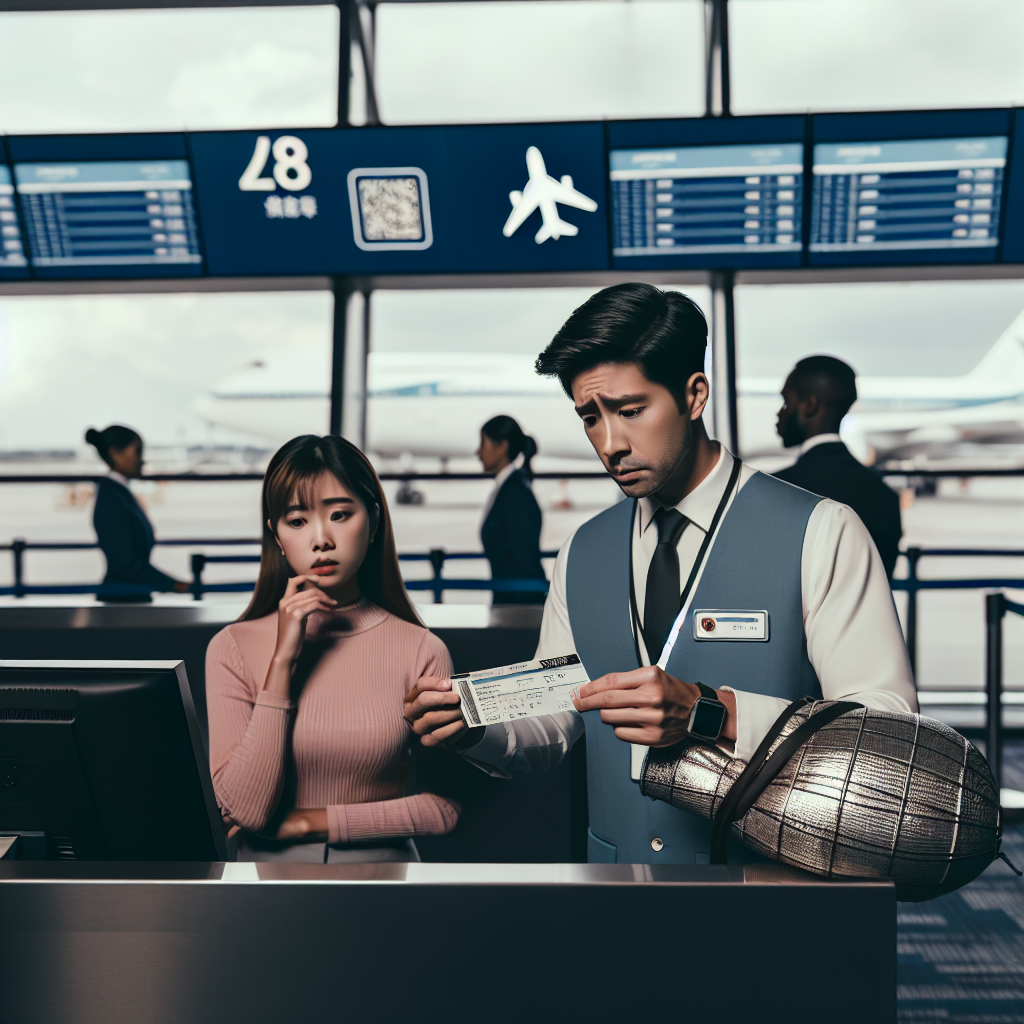
Online Fraud Leads to Cancellation of Cathay Pacific First Class Ticket

Title: Cathay Pacific Ticket Fraud Highlights Airline Security Vulnerabilities
Introduction
A recent incident involving Cathay Pacific has raised significant concerns about airline ticket security and fraud prevention. Just days before her scheduled flight, a first-class award ticket booked for Alan’s mother was unexpectedly canceled, leaving her without a reservation at Hong Kong International Airport (HKG). This shocking turn of events underscores the urgent need for airlines to enhance their customer protection measures against fraudulent activities.
The Shocking Cathay Pacific Ticket Cancellation
Alan redeemed miles through Cathay Pacific’s frequent flyer program to secure a first-class ticket for his mother. However, upon her arrival at HKG, she was informed by airline agents that her reservation had been voided. This cancellation was executed by an unknown individual who impersonated a family member via a fraudulent WeChat call, raising alarming questions about the airline’s verification processes.
- Key Details of the Incident:
- The cancellation was made without any authorization from Alan’s family.
- Despite a partial miles refund, the family was left to purchase a last-minute economy seat for $1,300.
- Cathay Pacific has yet to accept liability for the situation.
Cathay Pacific’s Response to the Fraud Incident
After reporting the incident and filing a police report in Hong Kong, the airline stated that further action would require an official investigation. This places the burden on the customer to resolve a case of fraud that appears to stem from inadequate security protocols.
Cathay Pacific accepted a cancellation request based solely on a WeChat call, lacking essential security measures such as two-factor authentication or PIN verification. This incident spotlights a systemic vulnerability in airline customer service protocols, particularly concerning high-value tickets.
Growing Risks in Airline Loyalty Programs
As airline loyalty programs become increasingly valuable, they are prime targets for fraudsters. Account takeovers, phishing attempts, and social engineering tactics are on the rise. Alan suspects that the fraudulent cancellation might have been aimed at freeing up a premium seat for another passenger.
Travelers must remain vigilant to protect their reservations:
- Regularly monitor travel itineraries.
- Secure loyalty accounts with strong, unique passwords.
- Check bookings frequently, especially close to departure dates.
What Should Airlines Do Now?
While the legal complexities surrounding liability are evident, airlines have an ethical obligation to strengthen their customer protection measures. Cathay Pacific should conduct a thorough investigation into the fraudulent cancellation and assess whether there was any breach of internal access controls.
Transparency is crucial in rebuilding customer trust. Even if no intentional wrongdoing occurred, an internal review and policy updates could help prevent similar incidents in the future.
Conclusion: A Call for Enhanced Security Measures
Cathay Pacific did refund the cancellation fee for the miles, but the emotional and financial distress caused by this incident remains. The broader travel industry must take this incident as a wake-up call to adopt more robust fraud prevention systems.
Have you experienced similar issues with airline loyalty programs? Share your thoughts in the comments below, and check out our related articles on travel safety and security measures.
References: