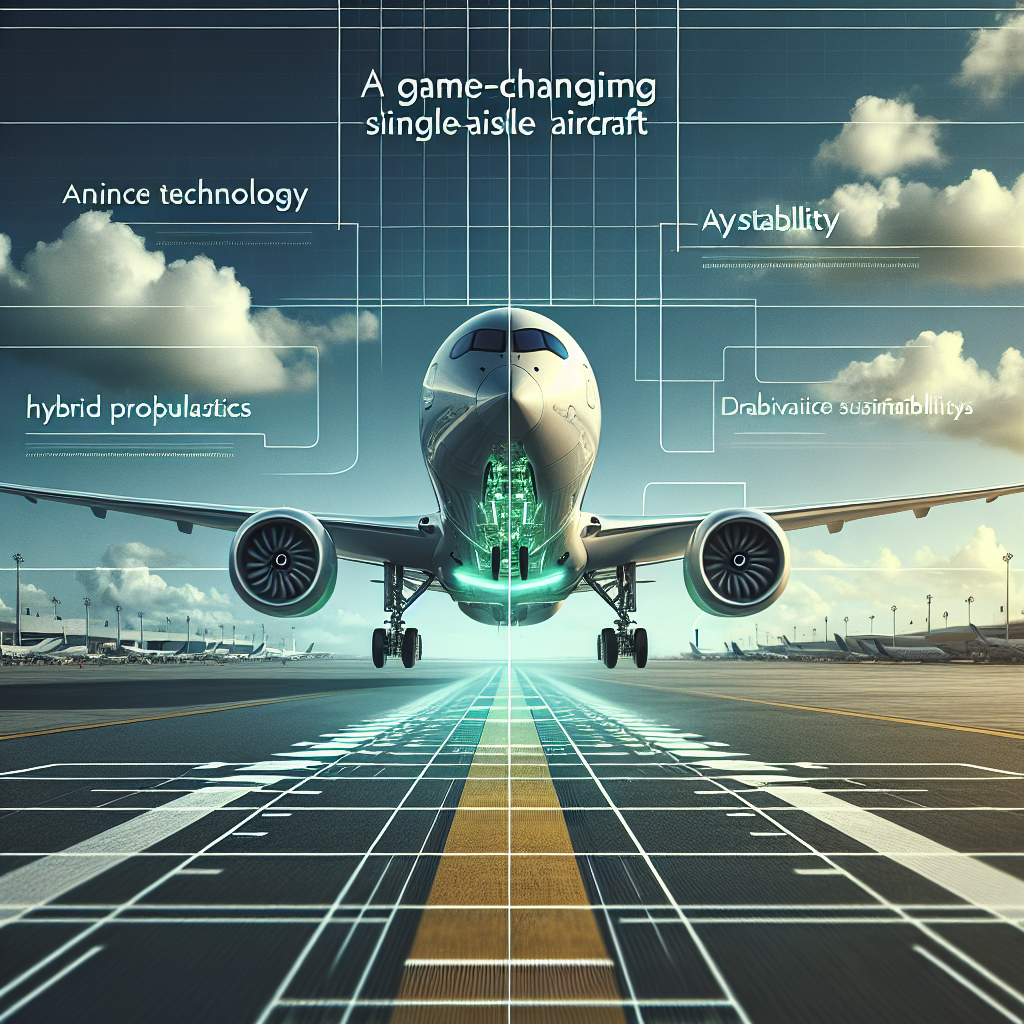
Airbus Reveals New Narrowbody Aircraft, First Flight by 2030

Airbus Unveils Groundbreaking Single-Aisle Aircraft Development
Airbus is set to revolutionize the commercial aviation industry with its development of a next-generation single-aisle aircraft that integrates cutting-edge technology and sustainability. This new aircraft promises to consume 20% less fuel compared to existing models, making it a pivotal advancement in eco-friendly aviation. The design emphasizes smarter wing technology, hybrid, and electric propulsion systems aimed at significantly reducing the carbon footprint.
In this article, we explore the innovative features of Airbus’s latest aircraft and how it aims to reshape the future of air travel.
Airbus’s Commitment to Sustainable Aviation
Airbus’s new single-aisle aircraft is designed to transform how airplanes are built and operated. The company is committed to ushering in a new era of aviation characterized by efficiency, advanced technology, and environmental sustainability.
Revolutionary Wing Design
One of the standout features of Airbus’s design is its advanced wing technology. The company’s Wing Technology Development Centre, located in Filton, UK, is pioneering aerodynamics and biomimicry to create wings that deliver increased lift while minimizing drag. Notably, the introduction of a folding wing mechanism is expected to enhance flight efficiency and maintain compatibility with airport gates.
Advanced Propulsion Systems
Airbus is actively exploring innovative engine technologies through its Revolutionary Innovation for Sustainable Engines (RISE) project in collaboration with CFM. This initiative aims to develop an open fan engine design that could cut fuel consumption by 20%. Additionally, ongoing research into electric and hybrid propulsion technologies, including the EcoPulse demonstrator project, could pave the way for more efficient ground taxiing and onboard systems.
Commitment to Sustainable Fuel
Airbus is leading the charge in decarbonizing aviation by supporting sustainable aviation fuel (SAF) blends of up to 100%. This approach has the potential to reduce lifecycle carbon emissions by as much as 80%. The integration of hybrid and electric technologies further enhances the sustainability of future aircraft.
Material Innovation
The company is also focusing on advanced materials that contribute to both performance and sustainability. Research is underway into biomass composites and thermoplastics, which offer improved strength and reduced weight. The Multifunctional Fuselage Demonstrator project exemplifies this with promising results from carbon fibre-reinforced thermoplastic composites.
Evolution of Digital Systems
Airbus plans to integrate advanced automation, artificial intelligence, and connectivity into its future aircraft. These digital systems will enhance operational efficiency, streamline maintenance processes, and improve the overall passenger experience through real-time data processing and predictive maintenance capabilities.
Looking Ahead: The 2025 Airbus Summit
During the recent 2025 Airbus Summit, the company outlined its clear roadmap for the next-generation single-aisle aircraft, targeting service entry in the latter half of the 2030s. The ambitious plans include a focus on achieving 20-30% improvements in fuel efficiency and the ability to operate using 100% sustainable aviation fuel.
Bruno Fichefeux, Airbus Head of Future Programmes, stated, “Every second, an Airbus aircraft connects people, cargo, and businesses globally. We are preparing to make another significant leap in single-aisle aircraft technology, pioneering the future of flight.” The summit provided a collaborative platform for industry leaders to discuss sustainable aviation’s future and the innovative steps needed to overcome current challenges.
Conclusion
Airbus’s commitment to developing a next-generation single-aisle aircraft positions the company as a leader in sustainable aviation technology. With advancements in wing design, propulsion systems, and materials, the future of air travel appears more efficient and environmentally friendly than ever.
We invite you to share your thoughts on Airbus’s innovative approach or explore related articles on sustainable aviation technologies. Stay tuned for more updates on the evolution of the aerospace industry!
For further reading on the latest trends in sustainable aviation, visit Airbus’s Official Site or check out the International Air Transport Association (IATA).