Emergency Declared on Virgin Atlantic’s 787 Flight from San Francisco to London

LONDON- A Virgin Atlantic flight from San Francisco (SFO) to London Heathrow (LHR) experienced a medical emergency while en route on September 1, 2025. The Boeing 787-9 Dreamliner required paramedics to be on standby upon its arrival in London.
Flight VS42 operated normally over the Atlantic, but encountered a separate issue: the Auxiliary Power Unit (APU) was non-operational. The crew informed Heathrow controllers that a Ground Power Unit (GPU) would be necessary upon landing, in addition to medical assistance.
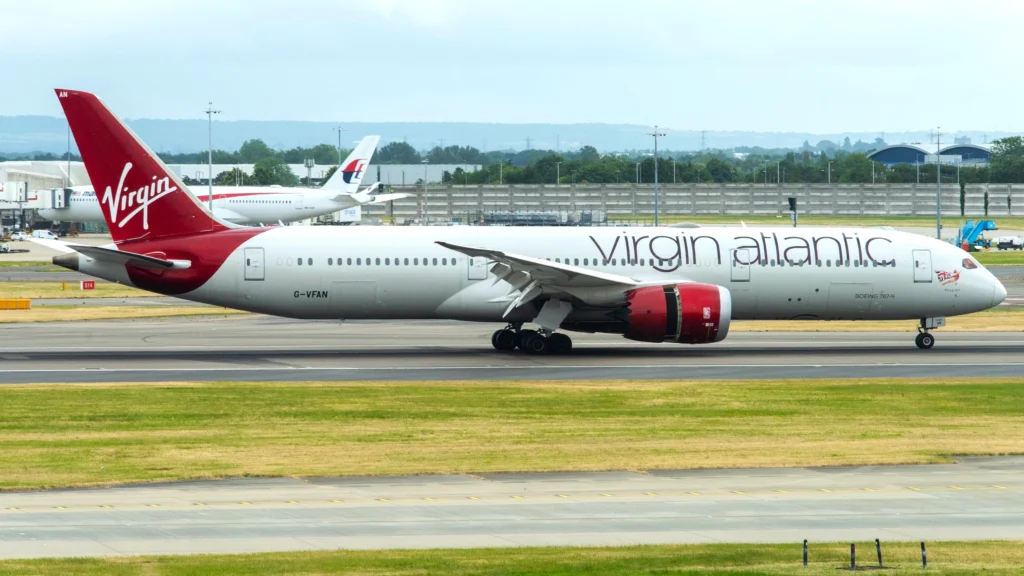
Virgin Atlantic Medical Emergency
The Dreamliner took off from San Francisco International Airport (SFO) at 21:20 local time, landing at London Heathrow Airport (LHR) at 15:36 local time after a flight lasting 9 hours and 16 minutes.
Before landing, the crew communicated with air traffic control, ensuring that medical personnel would be ready for an onboard emergency.
While specifics regarding the medical situation remain undisclosed, such calls are routine when a passenger or crew member requires urgent care.
The medical response teams at Heathrow are trained to assist aircraft upon their arrival, providing immediate help as soon as the doors open.
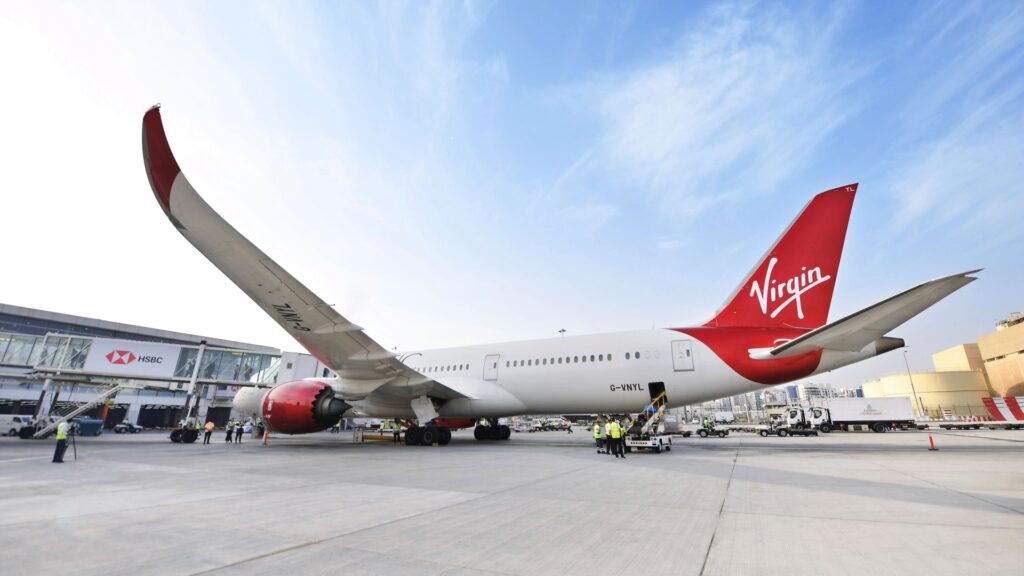
APU Issue
In addition to the medical emergency, flight VS42 also dealt with an APU malfunction. The Auxiliary Power Unit, positioned in the tail of the aircraft, provides power when the main engines are off.
This unit ensures that vital cabin systems remain functional and aids in starting the main engines during ground operations.
Due to the APU’s failure, the flight required an external Ground Power Unit upon landing. This mobile generator, stationed at the gate, supplies power for cabin lighting, air conditioning, and other essential systems even after the engines are turned off.
This setup makes sure that passenger disembarkation and the aircraft’s servicing can proceed without delay.
787 and APU Redundancy
The Boeing 787 boasts advanced electrical systems that offer greater flexibility compared to older aircraft designs. It features multiple smaller generators capable of supplying power to essential systems, even if the APU is out of service.
This capability allows the 787 to operate effectively on extended flights under the Extended-range Twin-engine Operational Performance Standards (ETOPS).
Nevertheless, regulations require the APU to be functional for in-flight restarting and emergency procedures.
For flight VS42, while the APU failure did not impact the transatlantic journey, it meant the aircraft needed additional ground support upon arrival at Heathrow.
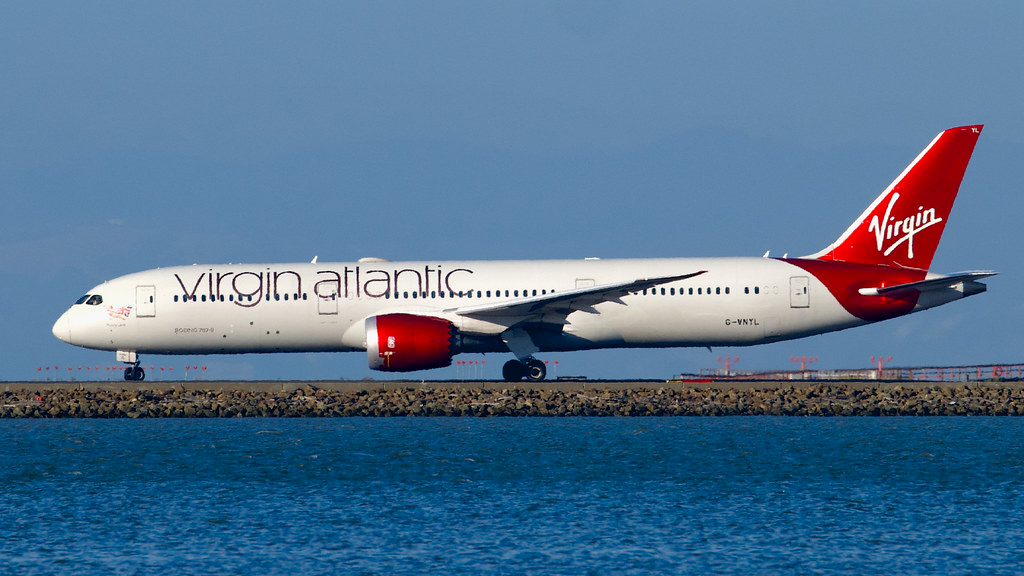
Safe Arrival at Heathrow
Despite facing a medical emergency and an APU malfunction, Virgin Atlantic flight VS42 successfully landed at London Heathrow at 15:36 local time.
Emergency medical teams were ready to meet the aircraft, and ground crews provided GPU power to maintain aircraft systems during the disembarkation process.
This incident underscores the effective planning integral to modern long-haul flying, as well as the significance of a coordinated effort among flight crews, airport services, and medical teams.
What are your thoughts on the efficiency of emergency procedures in air travel?