US Embassy Targets Visa Fraud in India

US Embassy in India Cracks Down on Visa Appointment Manipulation
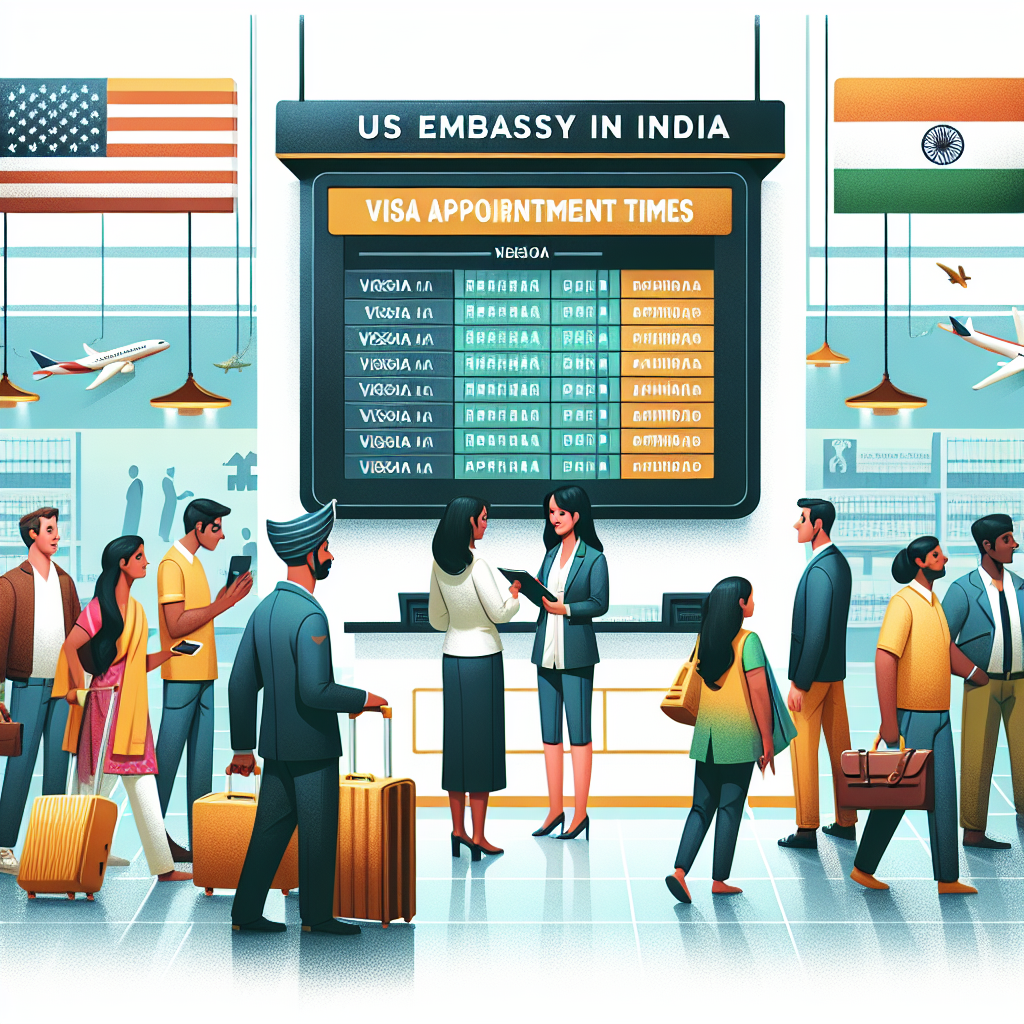
The US Embassy in India is implementing strict measures to combat the manipulation of visa interview appointments, directly impacting the growing underground market that exploits applicants. By canceling around 2,000 bot-generated appointments, the US aims to dismantle the system where intermediaries charge applicants up to Rs 35,000 for expedited visa interview slots. This move underscores the embassy’s commitment to ensuring a fair and transparent visa application process for all.
Understanding the US Embassy’s Actions
The US Embassy in India has taken a firm stand against automated booking manipulation. By eliminating approximately 2,000 appointments secured through automated technologies, the embassy is addressing a significant issue that has plagued the visa application process.
- Targeting Exploitation: This crackdown primarily targets agents who exploit loopholes for financial gain.
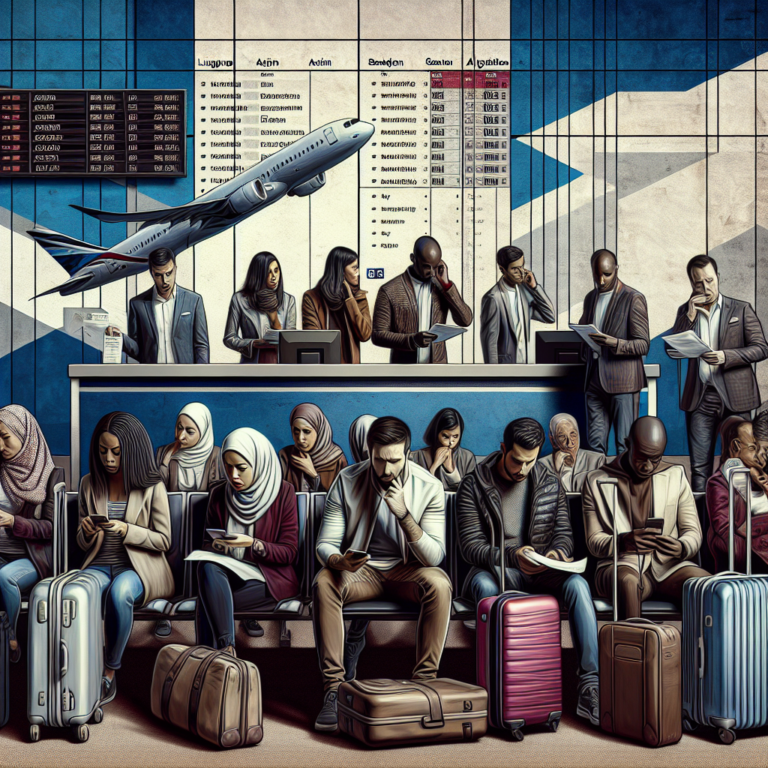
- Long Wait Times: Many applicants have faced wait times exceeding 999 days, prompting the rise of a parallel economy where fees for faster scheduling are exorbitant.
The embassy’s zero-tolerance policy includes the immediate cancellation of appointments obtained through bots and the suspension of accounts involved in these fraudulent practices. This strategic intervention aims to restore integrity and eliminate the influence of intermediaries in visa applications.
The Broader Context of Global Visa Restrictions
Visa allocation policies in the United States are shaped by complex global dynamics. As the US navigates diplomatic challenges, it continues to enforce strict measures to combat fraud and streamline international travel access. Recent trends indicate a more robust approach to address vulnerabilities in the visa appointment systems.
- Increased Scrutiny: Countries like India are under heightened scrutiny regarding visa allocations, leading to sophisticated verification mechanisms.
- Impact on Applicants: These visa restrictions disproportionately affect students and business travelers, causing disruptions in academic and professional opportunities.
Diplomatic negotiations between the United States and affected nations are ongoing, focusing on enhancing transparency in appointment scheduling and travel access.
Future Outlook for Visa Allocations
Experts predict that the future of visa allocation systems will include continued technological advancements. The recent interventions by the US Embassy signal a movement toward more transparent and secure international travel documentation processes.
- Evolving Strategies: The US visa restriction landscape remains fluid, with a continuous effort to balance national security, technological challenges, and international relations.
- Global Mobility Trends: As global mobility patterns shift, visa allocation strategies will likely become more sophisticated and nuanced.
For more insights on visa policies and international travel, consider reading related articles on Visa Appointment Systems or Global Mobility Trends.
We invite our readers to share their thoughts on the recent changes in the visa application process. Have you experienced any challenges or improvements? Let us know in the comments below!