FAA Warns: Boeing 787 Lavatory Could Detach Mid-Flight

FAA Proposes New Directive to Address Boeing 787 Lavatory Safety Concerns
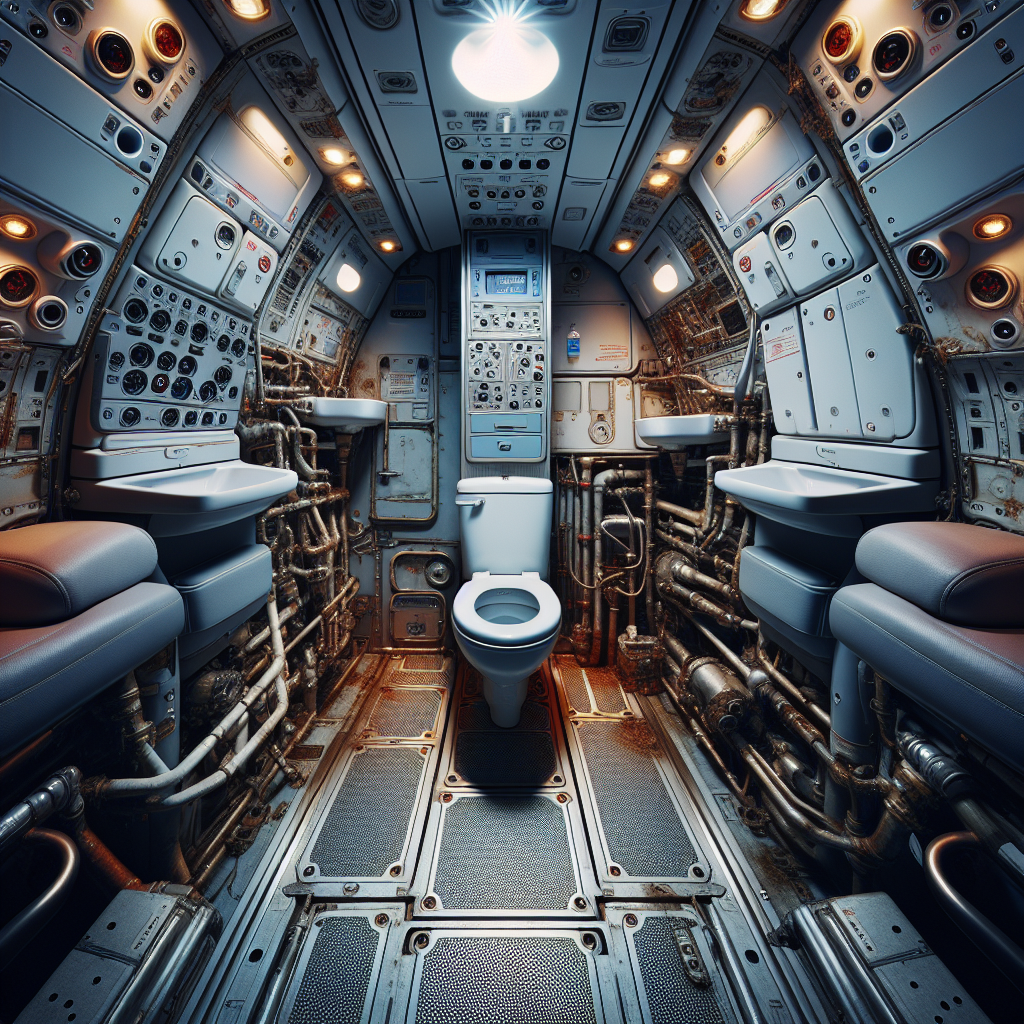
The Federal Aviation Administration (FAA) has taken a significant step to enhance safety for passengers aboard Boeing 787 aircraft. A new Airworthiness Directive (AD) has been proposed, targeting the Boeing 787-8, 787-9, and 787-10 models. This directive comes in response to alarming reports of corrosion found in the lower fitting assemblies of certain lavatories, which could pose serious risks during flight.
Corrosion in these assemblies arises from the galvanic interaction between aluminum and carbon fiber in the damp environment of aircraft lavatories. If not addressed promptly, this corrosion could lead to lavatories detaching during high g-force events, potentially endangering passengers and crew (FAA report).
Understanding Boeing 787 Lavatory Issues
The safety concerns surrounding the Boeing 787 lavatories have prompted the FAA to propose this crucial directive. Specifically, the corrosion issues are linked to the Jamco family 95/96 lavatories, where the interaction between aluminum and carbon fiber components creates a hazardous scenario.
Key Points:
- Corrosion could lead to lavatories breaking free during turbulence.
- This poses a substantial risk of injury to passengers and crew members, as well as possible obstruction of emergency exits.
The proposed Airworthiness Directive would require airlines to conduct thorough inspections of the affected components. These inspections are vital to ensure that any corrosion is documented, repairs are made, and maintenance programs are updated.
Required Inspections and Maintenance Procedures
Under the proposed directive, airlines will need to implement the following actions:
- Detailed Inspections: Inspect the eight lower fitting assemblies and centerline partition threshold of the Jamco family 95/96 lavatories.
- Documentation: Record findings on modification record placards.
- Necessary Repairs: Carry out repairs if corrosion is discovered.
- Maintenance Updates: Revise maintenance programs to include regular inspections of lavatory vertical side forward fittings.
Estimated Costs of Implementation
The financial implications of this directive are estimated at $7,650 per operator. This cost is based on approximately 90 work hours at a rate of $85 per hour. Airlines may receive some relief as parts manufacturers might cover certain costs under warranty, potentially easing the financial burden.
Boeing has also released Special Attention Requirements Bulletin B787-81205-SB250302-00 RB, Issue 001, dated August 21, 2024, detailing the procedures for inspection and repair, which serves as the technical foundation for the FAA’s directive.
Legal Authority and Next Steps
The FAA’s authority to issue this directive stems from Title 49 of the United States Code, which governs aviation safety. The agency has concluded that the proposal poses no significant federalism implications or substantial economic impacts on small entities.
Following a designated comment period, which ends on May 22, 2025, the FAA will review public feedback before finalizing the directive. Airlines will then be required to comply with the established timelines unless they obtain FAA approval for alternative compliance methods.
Bottom Line: Ensuring Safety on Boeing 787s
The FAA’s proposed directive is a critical measure to address safety concerns related to corrosion in Boeing 787 lavatories. By mandating inspections, repairs, and updates to maintenance protocols, the directive aims to prevent potential accidents and ensure passenger safety during flights.
Airlines are encouraged to take this proposal seriously and prepare for the necessary actions. For further information on aviation safety regulations, visit the FAA’s official website.
What are your thoughts on the FAA’s proposed directive? Share your opinions in the comments below, and check out our related articles on aviation safety and aircraft maintenance.