Air Canada Flight from Las Vegas to Toronto Makes Emergency Landing

Air Canada Flight Diverted: A Precautionary Emergency Landing Due to Smoke Detection
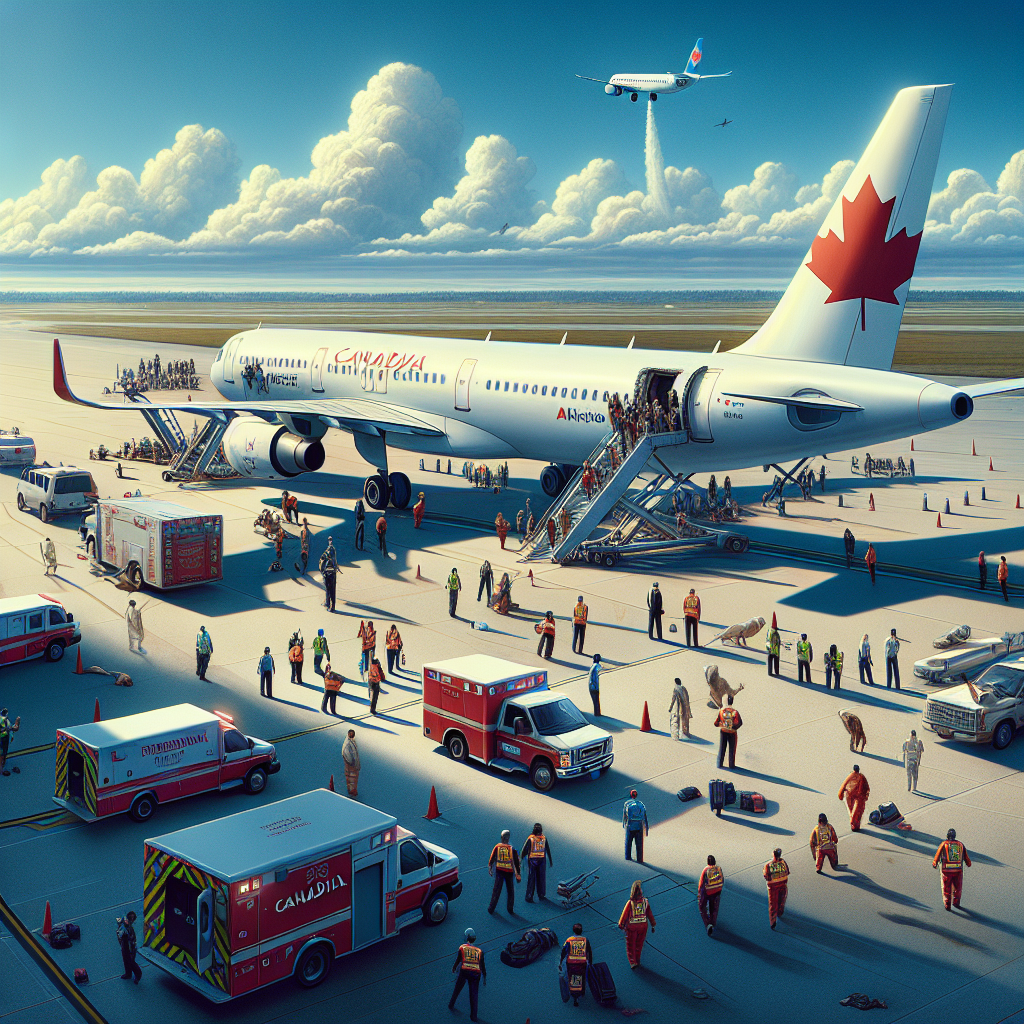
On April 16, 2025, an Air Canada flight traveling from Las Vegas (LAS) to Toronto (YYZ) experienced a mid-flight emergency, resulting in a precautionary diversion to Des Moines International Airport (DSM). The Airbus A321, designated as Flight AC1702, detected smoke in the cockpit, prompting a swift and safe landing. Fortunately, all 176 passengers aboard were safely evacuated, with no injuries reported.
Air Canada Emergency Landing: What Happened?
Air Canada Flight AC1702 made its emergency landing at approximately 4:00 PM local time. The decision to divert was made “out of an abundance of caution” after crew members detected the smell of smoke within the flight deck.
- Aircraft Details: The Airbus A321-200, registered as C-FJQL, is nearly 9 years old and is powered by efficient engines.
- Safety Protocols: Upon landing, airport response teams conducted immediate safety evaluations before the aircraft was cleared to taxi to the terminal.
Sarah Hoodjer, a spokesperson for Des Moines International Airport, confirmed that all passengers were safely deplaned following the incident. The aircraft will undergo a comprehensive technical inspection to identify the source of the smoke and assess any repairs needed before it resumes service.
To minimize disruption, Air Canada arranged for a replacement aircraft to arrive later that evening, allowing passengers to continue their journey to Toronto Pearson International Airport. While waiting, passengers were comfortably accommodated within the terminal facilities.
Similar Incident: United Airlines Flight UA2225
In a comparable event, a United Airlines flight, UA2225, made an unscheduled landing at Albuquerque International Airport on December 28, 2024, due to smoke detection in the cockpit.
- Flight Details: The Boeing 757-324 departed from Chicago O’Hare and was en route to Phoenix when the crew opted for a precautionary landing, safely arriving at 11:45 AM local time.
- Safety Confirmation: The Federal Aviation Administration (FAA) later confirmed the incident, highlighting the importance of safety protocols during flights.
Both incidents underscore the critical nature of in-flight safety measures and the effectiveness of crew training in handling emergencies.
Stay Informed and Engaged
For more updates on aviation safety and incident reports, feel free to share your thoughts in the comments below. Interested in reading related articles? Check out our coverage on in-flight safety protocols and emergency response strategies.
For further information, visit the Federal Aviation Administration (FAA) and Air Canada’s official website.