Emergency Landing in Boston by American Airlines A321 Pilots

BOSTON- On August 17, 2025, American Airlines flight AA2616, utilizing an Airbus A321, had to divert to Boston Logan International Airport (BOS). This flight was initially on its way to Philadelphia International Airport (PHL) when it faced technical difficulties shortly after takeoff.
Fortunately, the aircraft landed safely at Boston Logan Airport, and emergency services were positioned on standby for support.
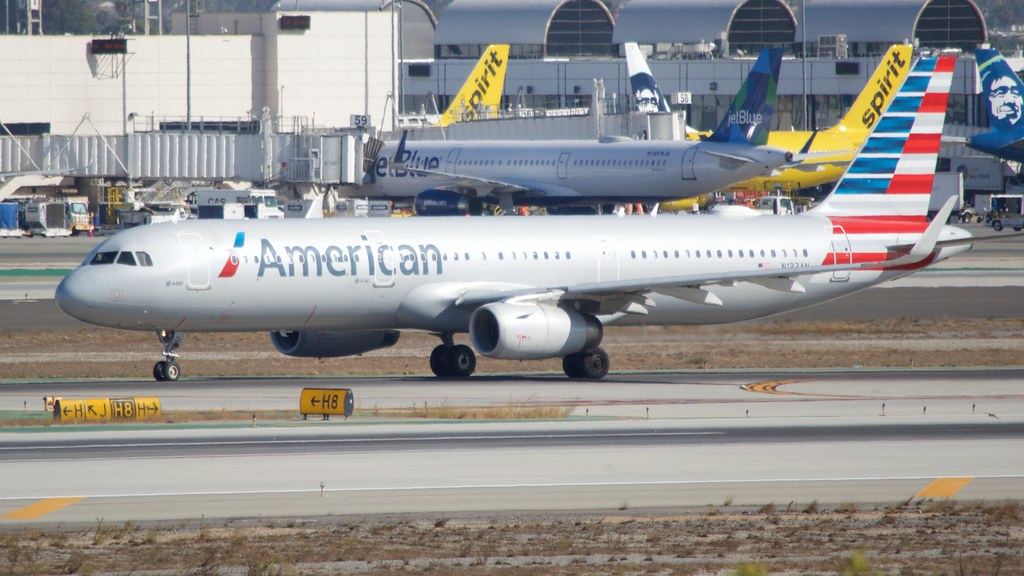
American Airlines Emergency Landing at Boston
Air traffic control recordings reveal that the flight crew reported failures in autopilot, autothrust, and discrepancies with the Flight Management System (FMS). LiveATC transmissions captured the crew declaring issues and seeking a diversion urgently.
Passengers on board experienced unusual movements during the climb phase. The aircraft leveled off prematurely, performed unexpected turns, and altitude changes were noted. Although the movements weren’t violent, the irregularities raised concern.
One passenger mentioned that the captain only announced the diversion after about 25 minutes of flight time, without providing additional explanation at that moment.
The ambiance inside the cabin remained calm, though a few passengers reported irregular engine performance. One individual recalled that the engines appeared to operate less smoothly during ascent, feeling as if there were momentary hesitations.
Upon arrival at Boston Logan, the approach was swift, necessitating firm braking on landing.
Emergency vehicles escorted the aircraft along the taxiway as a standard precaution during in-flight emergencies. Despite the challenges faced, the landing was well-executed, allowing passengers to disembark safely.
This flight was conducted using an Airbus A321, with registration number N157UW. The aircraft was approximately 12.1 years old and equipped with two CFM56 engines.
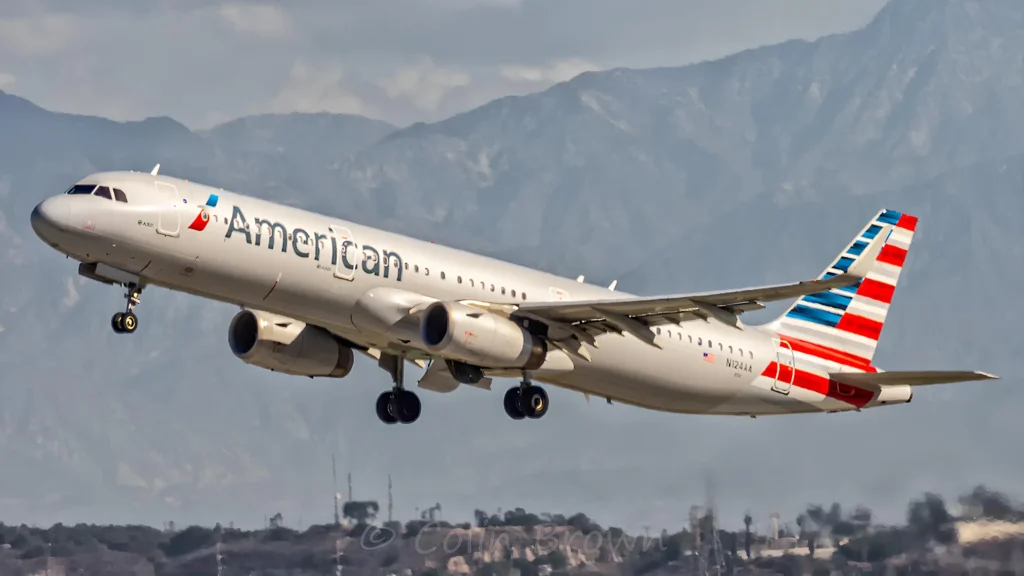
Similar Incident
On the same day, another flight, American Airlines flight AA1292 traveling from Los Angeles (LAX) to Nashville (BNA), had to make a U-turn back to LAX. The aircraft reached an altitude of 16,000 feet before the crew reported issues with flap retraction, requesting to hold for an emergency landing.
The Boeing 737-800 departed without incident but soon encountered hydraulic complications, prompting the crew to halt their climb while troubleshooting the issue.
They informed air traffic control of the difficulties with the flaps, which can critically impact aircraft operational efficiency and handling.
After clearing to enter a holding pattern, the pilots prepared for a potential overweight landing, promptly advising ATC of their situation.
Ultimately, the aircraft safely landed on runway 25R at LAX, albeit at a greater speed than usual, and underwent inspection by emergency personnel. Fortunately, no injuries were reported.
Technical Considerations
Hydraulic issues in commercial aircraft pose risks to vital systems, such as landing gear, flaps, and brakes. The flap retraction problem required careful speed management, as extended flaps increase drag and hinder ascent.
Choosing to return, instead of continuing the cross-country journey, aligns with established safety practices.
Landing with extended flaps at a higher speed adds stress to brakes and tires, which prompted concern over potential brake overheating upon landing. After arriving at the apron, maintenance teams examined the aircraft to assess the issue.
What are your thoughts on the safety measures in place for such situations?