American Airlines Pilot Clashes with Washington ATC in Rant

American Airlines Flight 1629 Incident at Washington National Airport: A Lesson in Communication
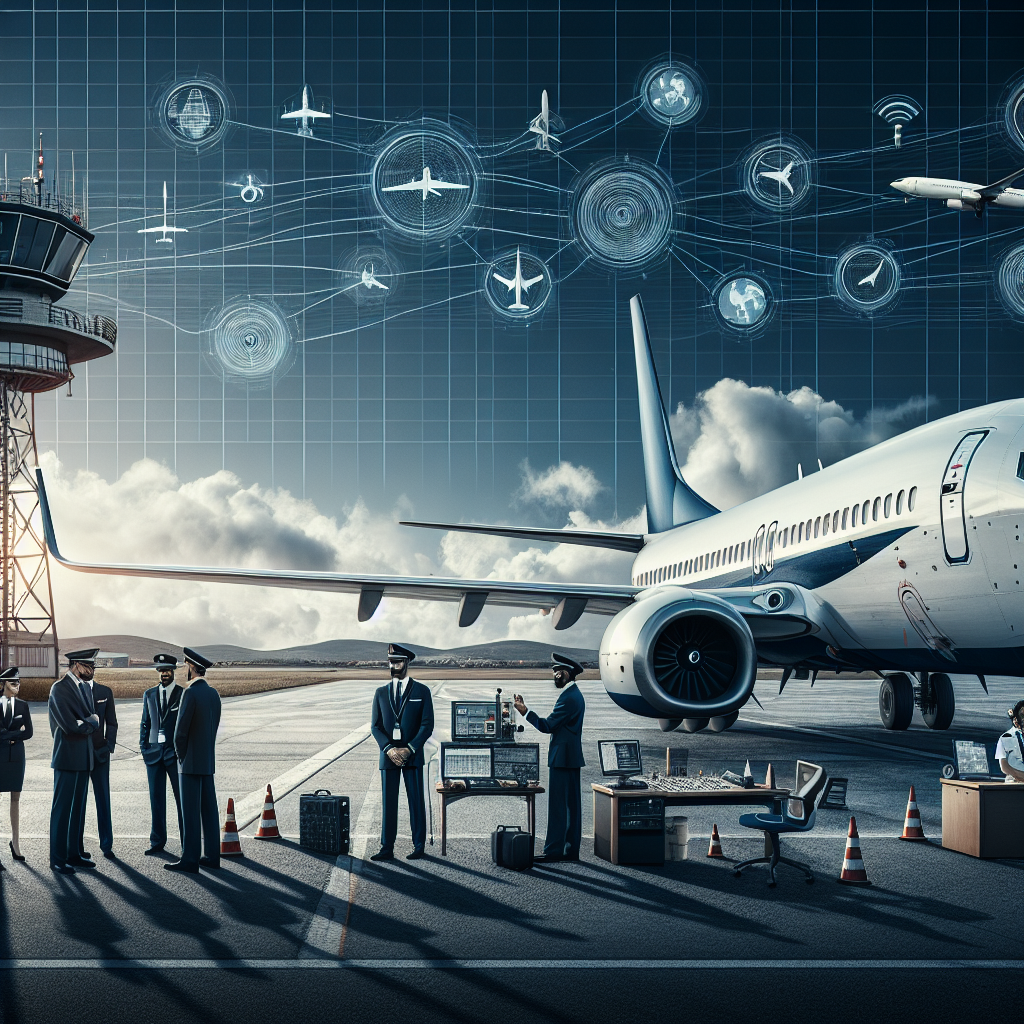
On April 26, 2025, American Airlines Flight 1629, a Boeing 737-800, landed smoothly at Washington National Airport (DCA) from Dallas (DFW). However, what started as a routine landing quickly turned into a contentious situation when the pilot allegedly failed to adhere to taxiing instructions, sparking a heated exchange with Air Traffic Control (ATC). This incident highlights the crucial need for effective communication between pilots and ATC to ensure safety and efficiency in air travel.
“It’s My Airport”: The Conflict Between the Pilot and ATC
The situation escalated when the ATC controller accused the pilot of deviating from the issued taxi instructions. In a tense moment, the controller stated, “It’s my airport, and if you don’t do it, that’s a pilot’s deviation.” The pilot attempted to clarify their position while following the instructions, but the controller continued to emphasize the need for compliance.
Flight 1629, registered as N966NN, was directed to exit onto Taxiway Kilo (K) and report to Ground Control on frequency 121.7. However, confusion during this process led to a breakdown in communication, raising concerns about adherence to safety protocols.
Despite the aircraft being safely on the ground and no passengers at risk, the sharp tone from ATC raised eyebrows among observers. The pilot was eventually instructed to contact Ground Control for further coordination, a standard procedure when a deviation or complaint arises.
The Importance of Effective Communication in Aviation
Clear communication between pilots and ATC is vital for maintaining safety within the aviation system. Such interactions ensure proper aircraft separation, prevent potential collisions, and facilitate efficient traffic management.
Key points to consider include:
- Precision in Instructions: Pilots must follow ATC directives exactly to avoid pilot deviations.
- Accuracy from Controllers: If ATC provides incorrect guidance, it constitutes a tower deviation.
- Preventing Dangerous Situations: Miscommunication can lead to serious incidents, such as aircraft landing on occupied taxiways or conflicts with departing flights.
Both pilots and controllers must prioritize clear and accurate communication to prevent mishaps and ensure the safety of all involved.
Conclusion: A Reminder of Communication’s Role in Aviation Safety
The incident involving American Airlines Flight 1629 underscores the critical necessity of calm and professional communication between pilots and ATC, particularly at busy airports like Washington National (DCA). While safety was maintained during this incident, it serves as a reminder that miscommunication can lead to frustration and potentially dangerous situations.
With the Federal Aviation Administration (FAA) likely to review the incident, further discussions regarding protocol and conduct for both pilots and ATC may emerge.
If you found this article insightful, feel free to share your thoughts or explore related articles on aviation safety and communication protocols.