Stay Safe in the Skies: Your Ultimate Guide to Airline Safety

In an age where air travel is more accessible than ever, ensuring safety in the skies has become paramount. The thought of flying can evoke a range of emotions, from excitement to anxiety. However, understanding airline safety protocols can significantly alleviate these concerns. This ultimate guide aims to provide you with essential tips and insights on how to stay safe while flying, allowing you to enjoy your journey with peace of mind.
Airline safety is not just a set of rules; it encompasses everything from the aircraft’s design to the regulations that govern air travel. By being informed about the safety measures in place and understanding your role as a passenger, you can contribute to a safer flying experience. This article will delve into the various aspects of airline safety, ensuring you feel confident on your next flight.
Understanding Airline Safety Protocols
Safety Regulations and Standards
Airlines operate under strict regulations set by aviation authorities. These regulations ensure that airlines follow safety standards that cover:
- Aircraft maintenance and inspections
- Pilot training and certification
- Passenger safety protocols
By adhering to these guidelines, airlines maintain a high level of safety in operations.
Pre-Flight Safety Briefings
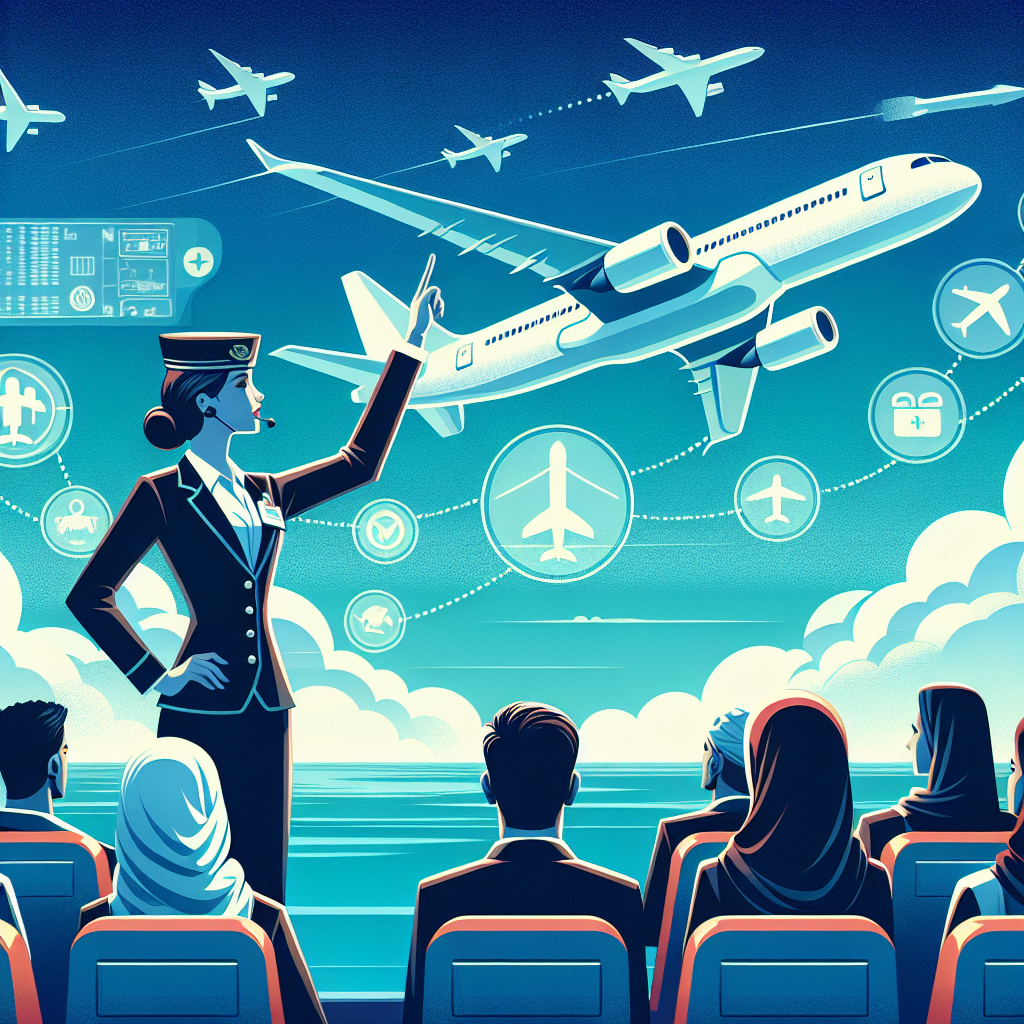
Before every flight, passengers are provided with a safety briefing. This includes information on:
- Emergency exits
- Life vests and oxygen masks
- Safety procedures during turbulence
Listening to these briefings is crucial for your safety. Make sure to pay attention as it could prove invaluable in an emergency situation.
Tips for Staying Safe in the Skies
Choose Reputable Airlines
When booking your flight, opt for airlines known for their safety records. You can check safety ratings from organizations like the International Air Transport Association (IATA) or the Aviation Safety Network.
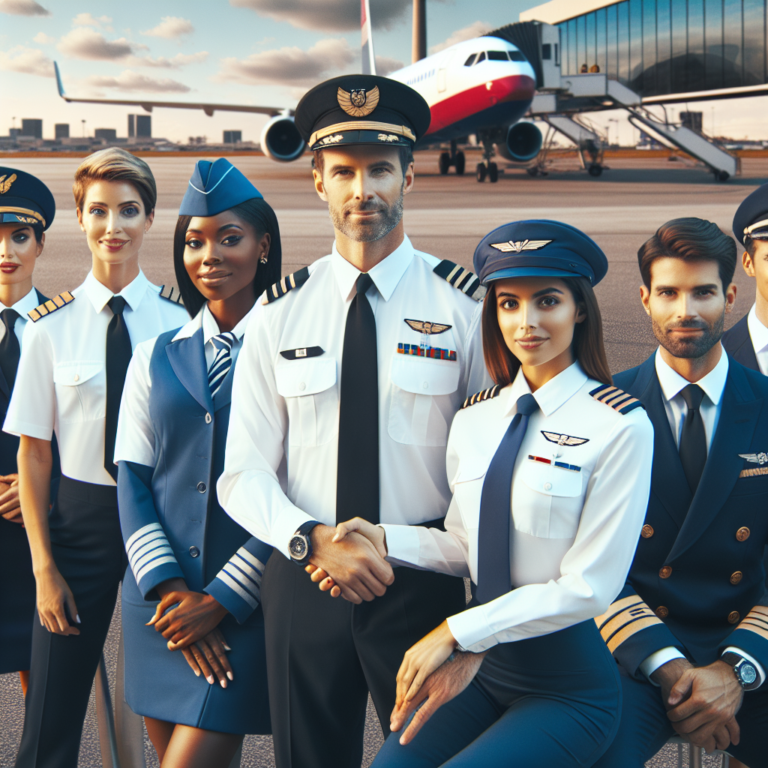
Follow Cabin Crew Instructions
Cabin crew members are trained professionals who prioritize passenger safety. Always follow their instructions, whether it involves seatbelt use or evacuation procedures.
Stay Aware of Your Surroundings
- Familiarize yourself with the layout of the aircraft.
- Know where the nearest exit is located.
- Be alert during boarding and deplaning.
Being aware of your surroundings can help you respond quickly in unexpected situations.
The Role of Technology in Airline Safety
Advanced Aircraft Features
Modern aircraft come equipped with advanced technology designed to enhance safety. Features such as:
- Collision avoidance systems
- Enhanced ground proximity warning systems
- Real-time weather updates
These innovations contribute significantly to in-flight safety.
Security Measures at Airports
Airport security has evolved significantly over the years. Today, measures include:
- Advanced screening technologies
- Behavioral detection techniques
- Increased personnel training
Such measures help ensure that only safe passengers and baggage make it onto flights.
Conclusion
Airline safety is a collective responsibility that involves both airlines and passengers. By understanding safety protocols and following guidelines, you contribute to a safer flying environment. Remember to stay informed and vigilant, ensuring that your journeys in the skies are as safe as possible.
FAQs
1. What should I do if I feel anxious about flying?
Consider speaking with a mental health professional or a travel therapist who specializes in fear of flying. Many airlines also offer courses that can help.
2. How can I find out about an airline’s safety record?
You can check safety ratings on websites such as the Aviation Safety Network or consult government aviation regulatory websites.
3. Are there safety measures in place for turbulence?
Yes, pilots are trained to handle turbulence, and modern aircraft are designed to withstand it. It’s essential to keep your seatbelt fastened when seated.
Feel free to share your thoughts on airline safety or explore our related articles for more insights on safe travel practices!