American Airlines’ Typo Sparks FAA Oversight Concerns

American Airlines Faces Scrutiny Over Safety Card Typos: “Cushiom” Error Sparks Concerns
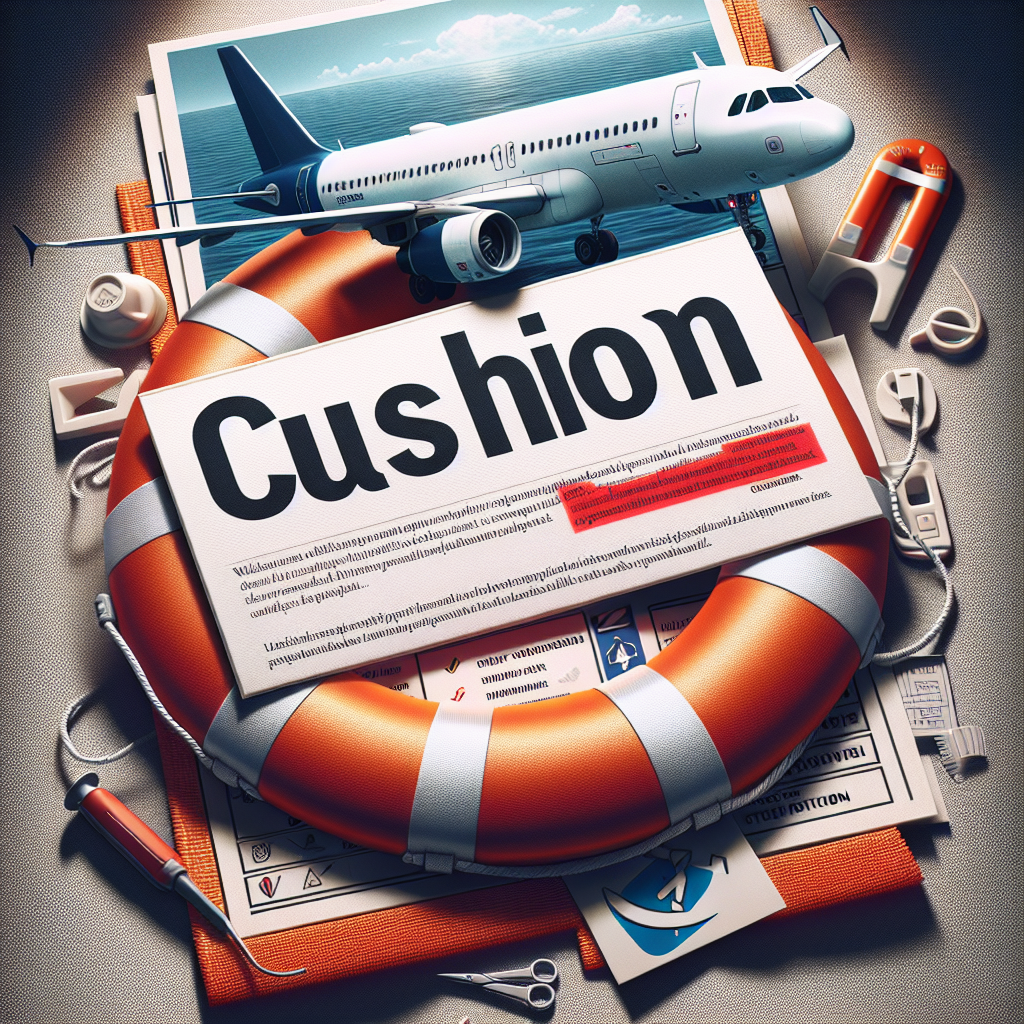
American Airlines (AA) is currently in the spotlight for a long-standing typo on its safety cards: “Use Seat Bottom Cushiom For Flotation.” This error has been spotted on Airbus A320 aircraft, where the seat bottom cushions serve as flotation devices during water emergency evacuations. The oversight raises questions about quality control in airline safety protocols.
According to a report by View From The Wing, despite adhering to stringent Federal Aviation Administration (FAA) regulations and conducting rigorous safety checks, this simple misspelling has gone unnoticed for years. Such a lapse prompts concerns about the overall effectiveness of American Airlines’ internal review processes.
Understanding the “Cushiom” Error
Under Federal Aviation Regulations 14 CFR 25.1415(e), airlines operating over bodies of water are required to provide approved flotation devices readily accessible to passengers. American Airlines complies by designating seat-bottom cushions as emergency flotation devices.
In an emergency, passengers are instructed to remove the cushion and use it by either slipping their arms through the straps or holding it against their chests while treading water. However, the misspelled word “Cushiom” on safety cards raises potential confusion during critical moments.
Implications for Passenger Safety
Clear and accurate communication is crucial during emergencies. Although the misspelling does not affect the flotation method’s functionality, it could lead to confusion when it matters most. Passengers may hesitate or misinterpret instructions if they encounter incorrect visuals or text.
Additionally, this oversight undermines trust in the airline’s commitment to safety. Passengers expect safety materials to be precise and well-maintained, and the persistence of such an error suggests possible weaknesses in internal review processes. This is particularly concerning when compared to the meticulous checks applied to mechanical and operational safety protocols.
The Role of FAA Quality Checks
The FAA enforces strict regulations regarding all aspects of airline operations, including safety materials and signage. Airlines are required to follow internal quality control processes to meet these standards. However, the presence of the “Cushiom” error indicates that it has evaded both FAA certification reviews and routine internal inspections.
With over 130,000 employees, many in safety-critical roles, American Airlines must prioritize thorough communication checks. The existence of this typo highlights possible deficiencies in their review systems, especially when contrasted with the rigor applied to other safety protocols.
Impact on Public Perception
In the aviation industry, every detail matters. While a misspelling on safety signage may not lead to immediate harm, it can significantly impact public perception of an airline’s professionalism and diligence. For an airline that operates one of the largest fleets worldwide, such errors extend beyond mere cosmetic issues; they affect passenger confidence.
This situation also raises broader questions about how similar minor lapses manage to escape routine inspections in such a highly regulated environment. It suggests that while mechanical and operational checks are thorough, visual and textual audits may be deprioritized, particularly when deemed non-critical to aircraft performance.
In conclusion, American Airlines must address the “Cushiom” error and reassess its internal review processes to ensure that all safety materials reflect the high standards of professionalism and accuracy expected in the aviation industry.
Join the Conversation
What are your thoughts on the importance of accurate safety communication in aviation? Share your opinions in the comments below, and feel free to explore our related articles on airline safety and quality control measures.