Family’s Stroller Damaged by American Airlines: Claim Rejected

FORT WORTH- A family flying on American Airlines from San José (SJO) to Dallas/Fort Worth (DFW) encountered a mishap with their stroller during gate-checking. Airline staff overloaded a jetbridge lift with multiple strollers, resulting in one being crushed and damaging its wheel.
The family recorded video evidence of the incident, capturing their stroller wedged and bouncing awkwardly afterwards. Although an agent initially promised to cover the damage, the airline later dismissed the claim, labeling it as “normal wear and tear.”
This situation raises significant concerns regarding American Airlines’ handling of essential items for families.
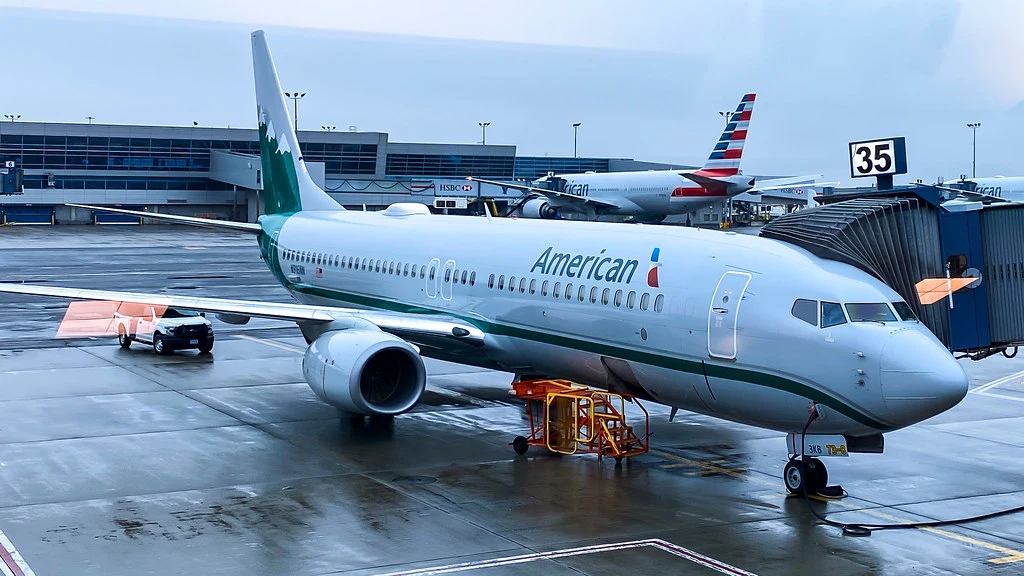
American Airlines and the Crushed Stroller Incident
While loading at SJO, ground staff attempted to fit several strollers into the aircraft’s lift mechanism for storage. The family noticed delays as attendants tried to disentangle the strollers. Video footage clearly showed that one stroller was caught under pressure from others, resulting in visible damage to the wheel assembly.
This incident underscores the inherent risks of overloading confined spaces in busy international travel hubs.
While American Airlines permits free gate-checking of collapsible strollers, rushed loading often leads to mistakes. The family’s stroller now requires repairs, impacting their mobility during future trips.
Experts note that jetbridge lifts have a specified weight limit, yet lapses in oversight are common in busy terminals like SJO, where family travel is prevalent.
The family was instructed by an on-site agent to file a baggage claim form after arriving at DFW. They submitted photos and video to substantiate their claim regarding the damage.
However, weeks later, American Airlines rejected their request, attributing the bent wheel and instability to normal wear rather than due to the incident itself. This decision contradicts the initial assurance given by the agent and overlooks the evidence presented.
The airline’s claims department handles thousands of reports each year, frequently prioritizing rapid denials as a cost-control measure. Families have reported similar experiences, where even visual proof is met with standardized rejection templates, raising concerns about accountability in addressing these issues.
How to Challenge the Claim Denial
If faced with a similar situation, families should start by escalating the claim internally. It’s advisable to reply in writing, attaching all relevant evidence, and request a review from a supervisor.
Airlines often process initial claims through automated systems, but moving to a higher level can sometimes lead to a different outcome. If needed, a formal complaint can be filed with the U.S. Department of Transportation (DOT).
DOT typically reviews cases with a human touch, prompting airlines to reassess their decisions. While enforcement varies, filing complaints helps generate data for broader audits. As a last resort, families may consider pursuing claims in small claims court.
Documented evidence, such as videos, can significantly enhance the chances of winning cases under $10,000. Keeping track of all correspondence is crucial at each stage of the process.
Wider Issues in Mobility Aid Handling
In 2024, American Airlines faced a hefty $50 million fine from the DOT due to violations related to wheelchair handling. Cases of rough treatment resulted in injuries and delays, emphasizing systemic issues within their service.
This fine stemmed from numerous reports of damaged mobility aids between 2019 and 2023, revealing significant flaws in their care for such items.
The airline has made investments to improve tracking systems and training, which have successfully reduced mishandling rates by 20% year over year. Yet, items checked at the gate remain at risk, sparking calls for stricter pre-board inspections.
How to Protect Strollers During Future Flights
For future travel, consider using carry-on strollers that collapse to fit in overhead compartments. This approach eliminates the risks associated with gate checking.
Make sure to print and keep the airline’s official guidelines handy during travel, as gate agents may interpret rules inconsistently. Families traveling from SJO to DFW should arrive early to ensure space is negotiated effectively.
Durable, lightweight strollers are preferable, as they handle cabin storage better than bulkier checked items. If gate checking is unavoidable, visibly tag strollers and ask the crew for confirmation of gentle handling.
What precautions do you take to safeguard your belongings when flying with children?