Lufthansa’s New 787s: The Reason Behind Empty Business Class Seats

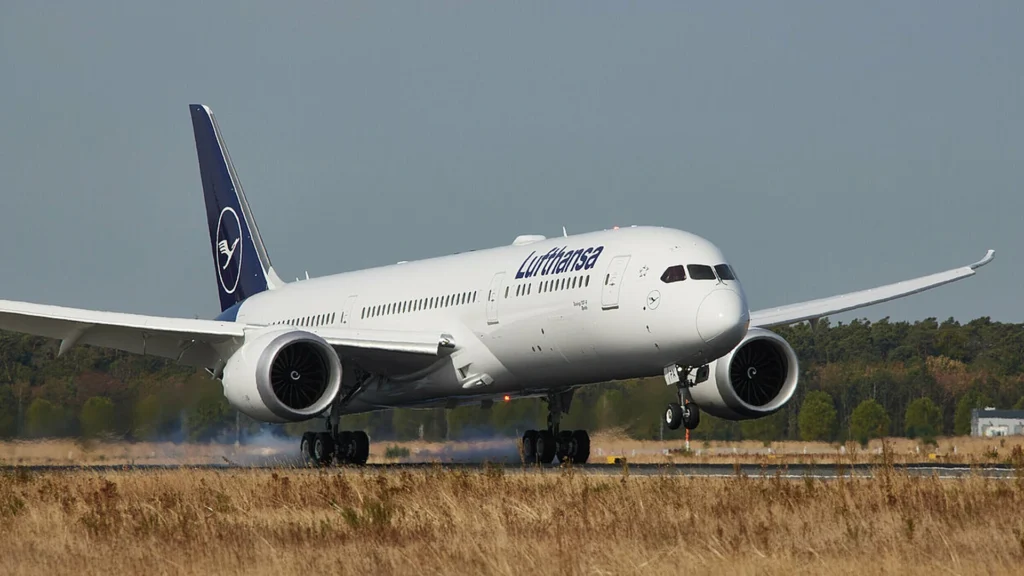
FRANKFURT— Lufthansa, Germany’s flagship airline, has shared that it will operate its newly acquired Boeing 787-9 Dreamliners with unoccupied Business Class seats. This decision arises from delays in certification from the U.S. Federal Aviation Administration (FAA).
Originally set to commence service by the end of 2024, these aircraft are now expected to start flying on routes such as Frankfurt (FRA) to Montreal (YUL) beginning in September 2025—despite the Allegris Business Class seating system still awaiting FAA approval.
Lufthansa’s Boeing 787 Dreamliners and Empty Business Class
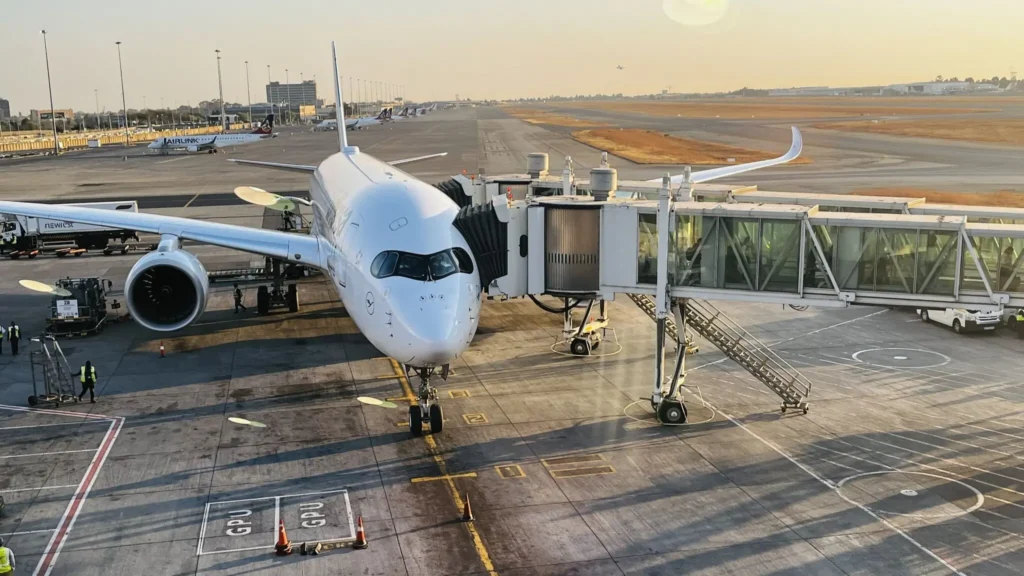
Lufthansa has secured 34 Boeing 787-9 Dreamliners to phase out its older Airbus A340-600 aircraft. While at least 15 of these new Dreamliners have been constructed, their delivery has been delayed due to FAA concerns about the new Allegris Business Class seats.
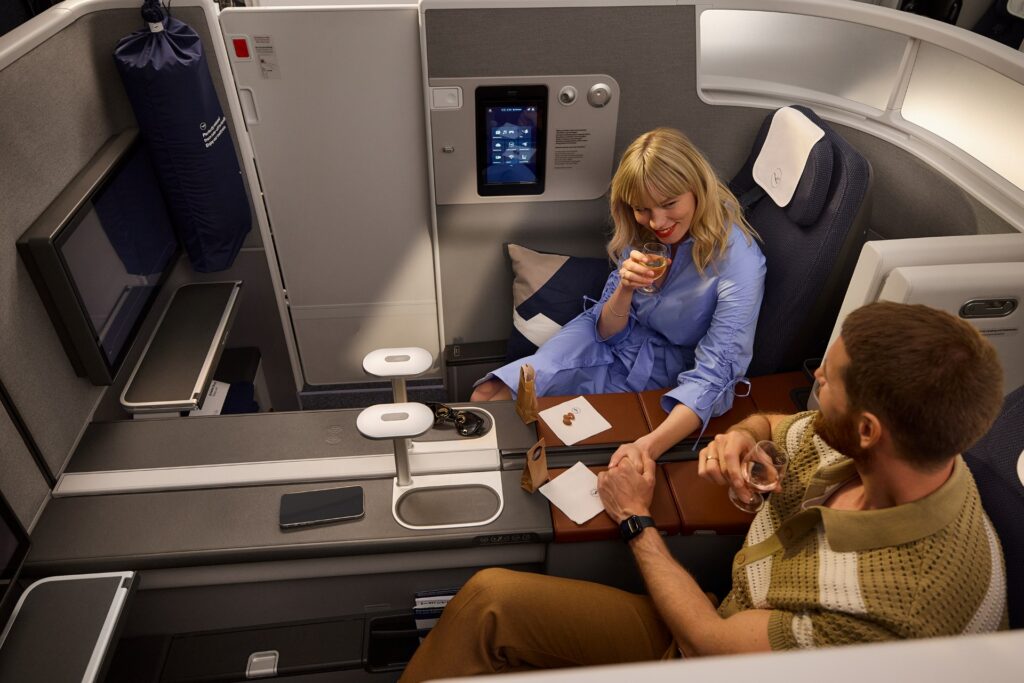
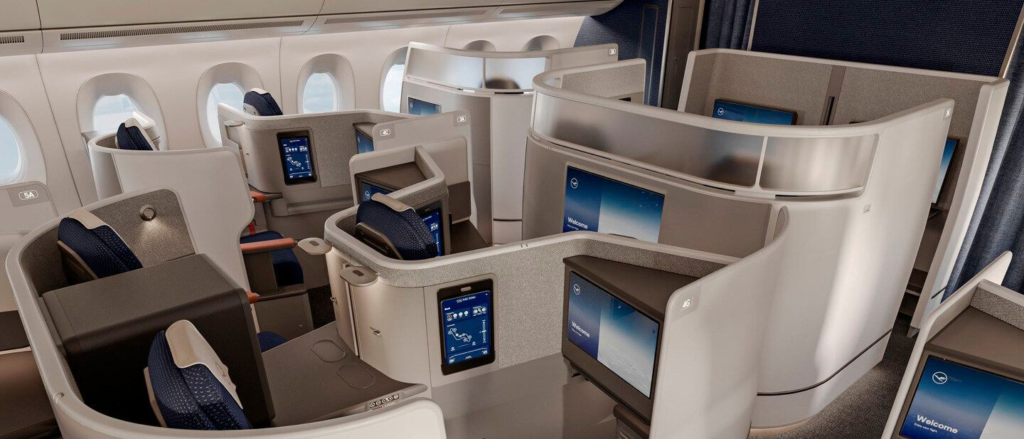
The Allegris system, designed by Lufthansa and Collins Aerospace, aims to enhance comfort by offering diverse seating options within the same Business Class cabin. This innovative layout comprises five different seat types, catering to varying passenger preferences. However, these unique designs have complicated the FAA certification process.
European regulators have already approved the Allegris seating in Lufthansa’s Airbus A350 planes, yet the FAA demands further compliance assessments for the Boeing-designed Dreamliners. The FAA’s focus appears to be on the crashworthiness of the seats, necessitating additional testing and adjustments.
Understanding Lufthansa Allegris
Launched in 2017 as part of a €2.5 billion modernization initiative, Allegris represents a comprehensive renovation of Lufthansa’s long-haul benefits across all seating classes—First, Business, Premium Economy, and Economy.
In Business Class, Allegris promises full aisle access from every seat. However, the variety of seating types in the same cabin has led to some confusion among passengers and technical difficulties during implementation.
This cabin design includes a range of options, from highly-private individual suites to standard lie-flat seats, each differing in space, comfort, and storage. Despite being in development for over seven years, the Allegris project officially launched in May 2024 with aircraft not fully equipped. For example, the debut A350 with Allegris featured an Economy class instead of First Class seats due to unresolved certification issues.
Additional Challenges Affecting Allegris Rollout
The delays in Dreamliner certification are just one aspect of a larger set of challenges affecting the Allegris initiative. Issues highlighted include:
- First Class Certification Hold-ups: The First Class Allegris seats weren’t ready for initial use due to additional regulatory challenges.
- Economy Class Concerns: Seatbelt airbag certification issues led to restrictions on several Economy seats in the Airbus A350.
- Boeing 747 Limitations: The design of Allegris seats is unsuitable for Lufthansa’s Boeing 747 upper deck, delaying the full cabin upgrades.
- Airbus A380 Refits: Lufthansa’s plans to update its Airbus A380 fleet will feature a conventional Business Class seat instead of Allegris due to complexity and space issues.
These challenges have caused setbacks in Lufthansa’s strategy for fleet renewal, although CEO Carsten Spohr remains optimistic. The airline anticipates receiving ten 787-9 Dreamliners by the end of 2025, enabling the retirement of its remaining A340-600s, contingent on FAA certification for the Allegris seats.
Strategic Considerations for Lufthansa
The ongoing delays in rolling out the Allegris seating have critical implications for Lufthansa’s market positioning. Business travelers—one of the airline’s most lucrative customer segments—expect high-quality offerings in premium cabins.
Operating brand-new aircraft without a fully functional Business Class product can negatively impact customer perceptions and revenue potential. Moreover, the move to create a custom seating configuration instead of utilizing off-the-shelf options has increased regulatory, financial, and reputational risks for Lufthansa.
Until all Allegris seats receive full certification, Lufthansa’s modernization efforts will remain unfinished, underscoring the hurdles of innovation within commercial aviation.
What are your thoughts on Lufthansa’s approach to the certification process and the impact on customer experience?