New Bus Routes from Toronto and Chicago Launched by American Airlines and Air Canada

TORONTO- Landline, the bus-to-flight transfer company based in Colorado, is extending its service offerings through new partnerships with Air Canada (AC) and American Airlines (AA).
On September 23, a new route from Toronto Pearson Airport (YYZ) to Kingston Norman Rogers Airport (YGK) will commence, alongside two additional connections from Chicago O’Hare International Airport (ORD) set to begin in October.
This expansion is a significant step for Landline in enhancing regional air travel, allowing passengers to enjoy seamless transitions from ground to air travel at smaller airports. Travelers can also accumulate frequent flyer points and, in certain cases, board buses directly after passing through security, simulating a connecting flight experience.
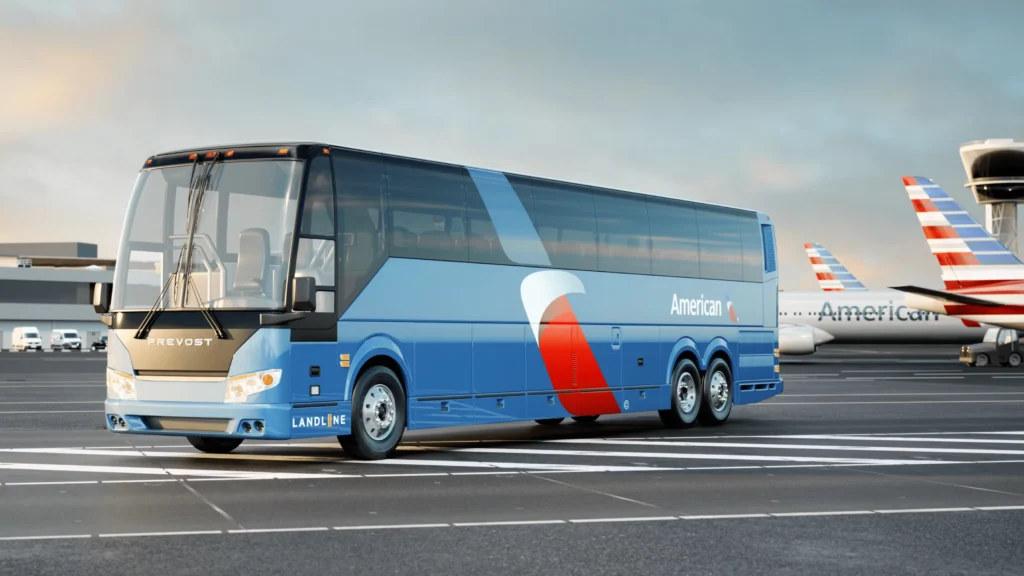
New Air Canada and American Airlines Bus Routes
Starting September 23, travelers can take advantage of twice-daily Landline-operated services from Toronto Pearson Airport (YYZ) to Kingston (YGK), marking Air Canada’s return to this route after its suspension in 2020.
The trip duration is estimated to be 2 hours and 50 minutes, and while these buses operate landside, passengers can still earn Aeroplan points on the journey, similar to any Air Canada flight.
In October, Landline will broaden its collaboration with American Airlines (AA), launching two new routes from Chicago O’Hare Airport (ORD). The first route will commence on October 4, connecting ORD to South Bend International Airport (SBN) four times a day. The second route, starting October 20, will link ORD to Chicago Rockford International Airport (RFD) five times daily.
Unlike the Air Canada service, the American Airlines routes will run entirely behind security, allowing passengers to transfer airside without having to pass through TSA again.
This new base in Chicago enhances Landline’s existing operations with American Airlines at Philadelphia International Airport (PHL), thereby strengthening its Midwest regional network.
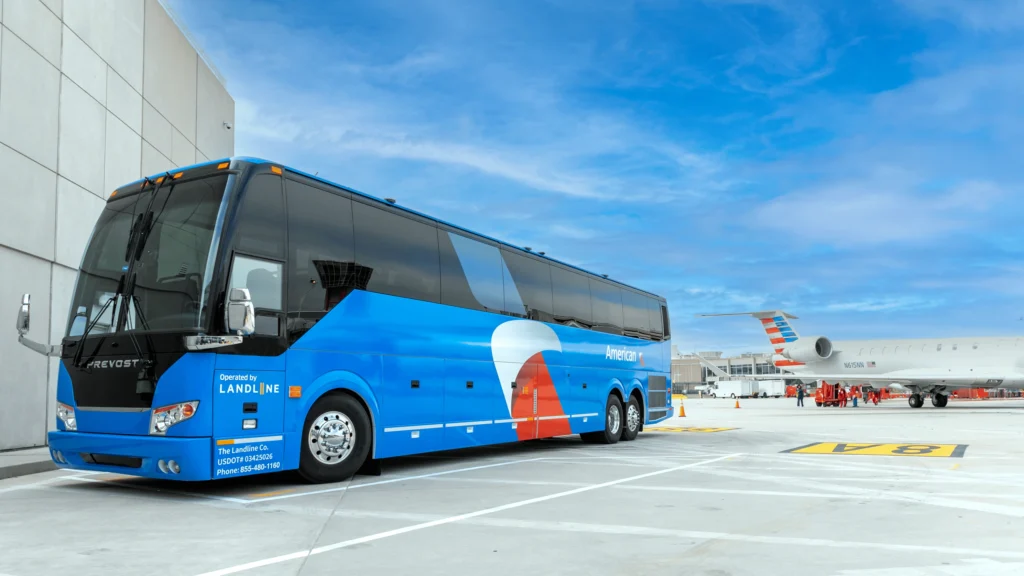
Operational Efficiency of Landline Services
Landline buses are designed to be marketed as flights, and tickets can be purchased directly through the airlines’ websites. Upon arrival at participating airports, passengers board at specific gates, akin to conventional flights. For services that operate airside, customers only need to clear security one time, allowing for easy transition from bus to airplane.
The buses are equipped with internet access, charging stations, and restrooms, combining comfort with convenience, especially on short-distance journeys prone to delays. The company refers to these vehicles as “motorcoaches,” reflecting their integrated ground and air service model.
Passengers flying on American Airlines routes also have the opportunity to earn and redeem AAdvantage miles. Aeroplan members can enjoy similar benefits when flying with Air Canada.
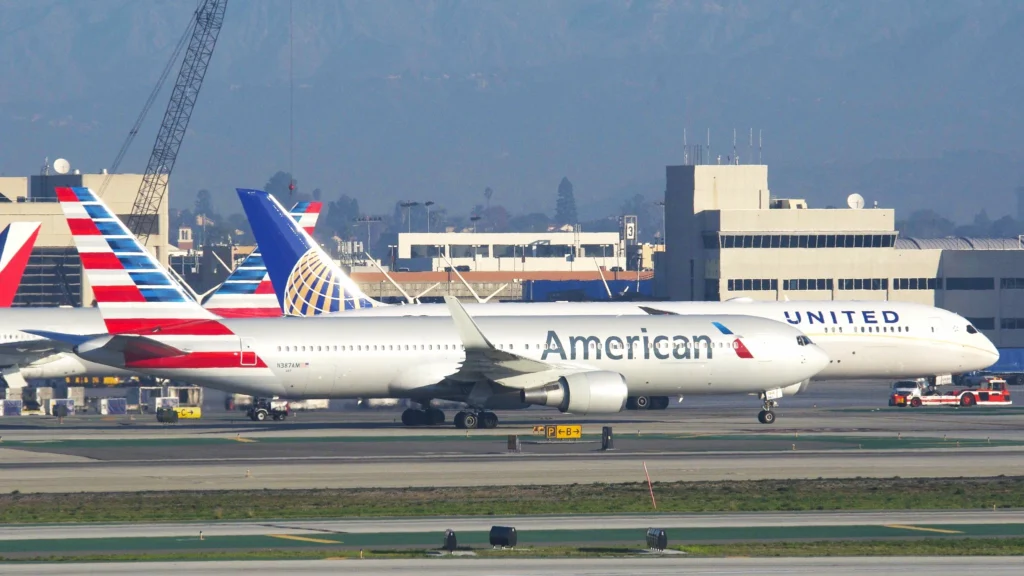
Ending Partnership with United Airlines
Despite this positive growth, Landline will end its partnership with United Airlines (UA) by September 1. Services connecting Denver International (DEN) and Newark Liberty International (EWR) will no longer be available.
CEO David Sunde cited logistical challenges stemming from inconsistent security flows, with buses boarding landside and departing airside, leading to complications for travelers. This strategic move allows Landline to focus on more successful partnerships and enhance its independent operations.
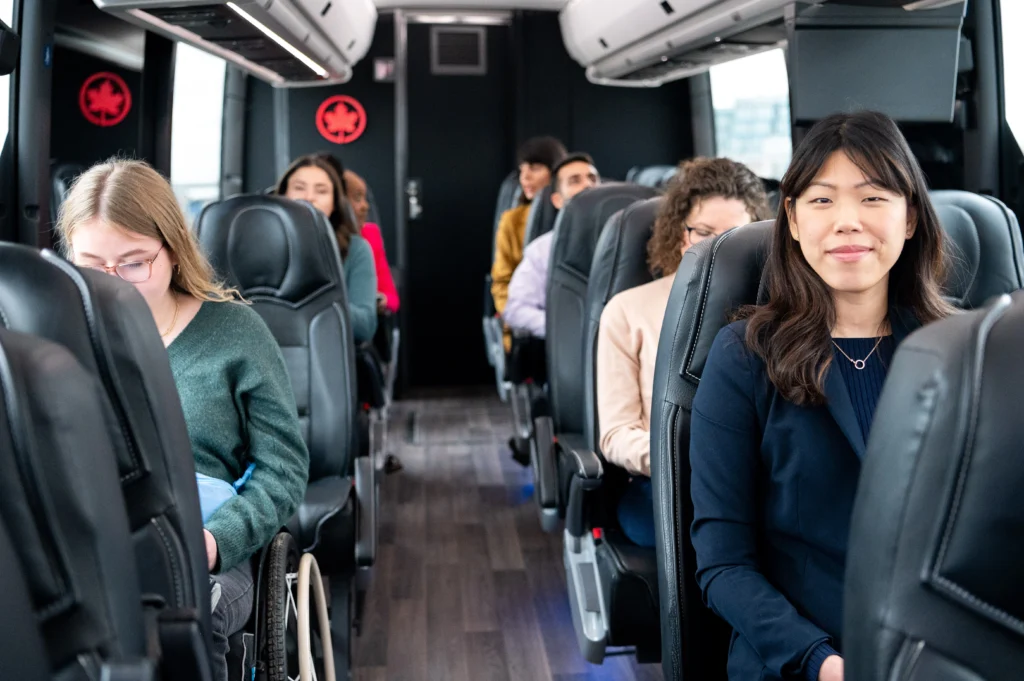
Expansion of Landline’s Independent Network in Colorado
In addition to airline partnerships, Landline also provides standalone services in Colorado. Starting August 1, the trips between Fort Collins (FNL) and Denver International (DEN) will increase to 17 round-trips each day. These operations are entirely landside and aim to address regional air access needs.
By the end of 2025, Landline anticipates having around 30 buses operating across its network, catering to both partnered and independent routes.
What are your thoughts on Landline’s new routes and partnerships?