DGCA Audit Uncovers 263 Safety Issues in Indian Airlines

DELHI – The Directorate General of Civil Aviation (DGCA), India’s aviation oversight authority, has detected 263 safety-related issues during its annual inspections of various airlines. Among them, government-owned Alliance Air (9I) received the most citations, followed closely by Air India (AI) and Star Air (OG).
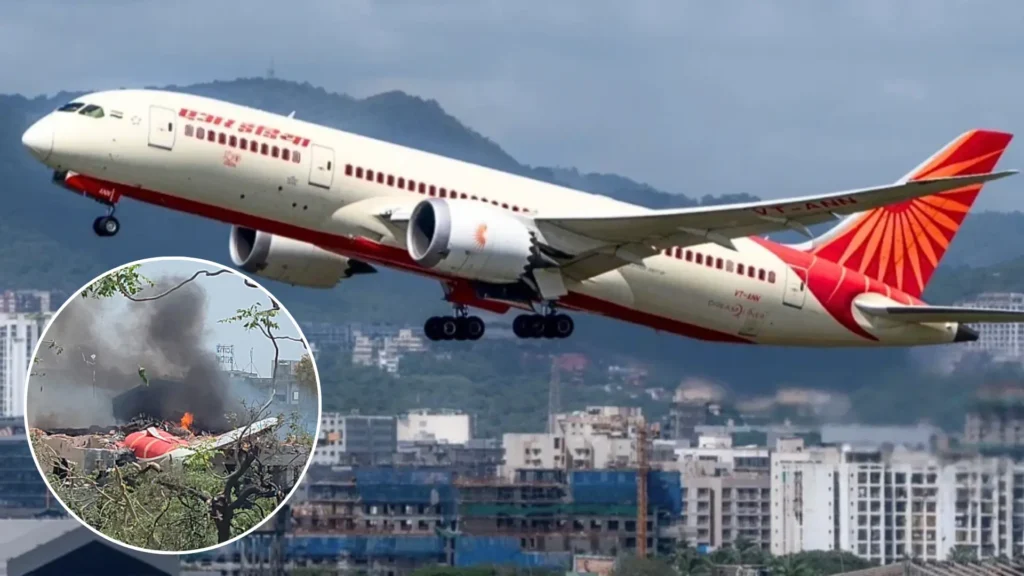
These audits encompassed multiple operators, including those based in Delhi (DEL), Mumbai (BOM), and Bengaluru (BLR). While some discrepancies were noted near the time of the Air India crash in Ahmedabad (AMD), the DGCA clarified that these issues were not connected to the incident.
DGCA Audit Uncovers 263 Safety Issues
The DGCA’s annual audits are part of its Annual Surveillance Plan (ASP), aligned with guidelines from the International Civil Aviation Organization (ICAO). These assessments highlight areas needing improvement in safety, maintenance, crew protocols, and documentation.
Out of the total of 263 findings, 19 were classified as Level 1, signaling significant concerns. Notable findings included:
- Vistara (UK) with 10 Level 1 issues
- Air India (AI) with 7
- Air India Express (IX) with 2
The majority of issues were categorized as Level 2, indicating they were less severe but still required remediation.
The DGCA indicated that airlines with extensive fleets and operations, such as IndiGo (6E) and Air India (AI), are statistically more likely to report higher numbers of findings. This is not inherently alarming; it reflects the operational complexity of these carriers.
Here’s a breakdown of findings by airline:
- Alliance Air (9I) – 57
- Air India (AI) – 51
- Star Air (OG) – 41
- QuickJet Cargo (QD) – 35
- Air India Express (IX) – 25
- IndiGo (6E) – 23
- Vistara (UK) – 17
- SpiceJet (SG) – 14
The audit for Akasa Air (QP) is still underway.
Note: Although Air India and Vistara have merged as of November 12, 2024, they were separate entities during this audit.
No Link to Recent Crash Established
Some inspections occurred around the same time as the Air India crash in Ahmedabad that resulted in significant casualties. However, the DGCA confirmed that these findings are unrelated to that tragic event.
These audits are integral to a routine oversight system designed to identify deviations before they escalate into larger problems.
The existence of these findings signifies robust regulatory oversight, rather than indicating systemic failures.
Action Steps and Ongoing Oversight
Following each audit, the DGCA formally informs the respective airline, requiring them to submit a corrective action plan and a compliance report. The DGCA monitors these responses to ensure that necessary measures are enacted.
The organization emphasized that these processes strengthen the commitment to safety and facilitate ongoing improvements within the sector.
In light of the findings, India’s aviation safety framework continues to align with global standards, demonstrating a proactive and transparent regulatory role.
What are your thoughts on the findings from the DGCA audits? Would you feel more secure flying with the airlines mentioned?