Air France A350 Pilots Execute Emergency Landing at Military Base

PARIS- An Air France (AF) flight en route from Paris Charles de Gaulle (CDG) to São Paulo–Guarulhos (GRU) was forced to divert to a military airbase in the Azores (TER) due to an in-flight electrical malfunction.
Operating as flight AF460, the Airbus A350-900 issued a Mayday alert while flying over the Canary Islands (TFS) and successfully landed at Lajes Air Base on August 8, 2025. All passengers were able to disembark without any incidents.
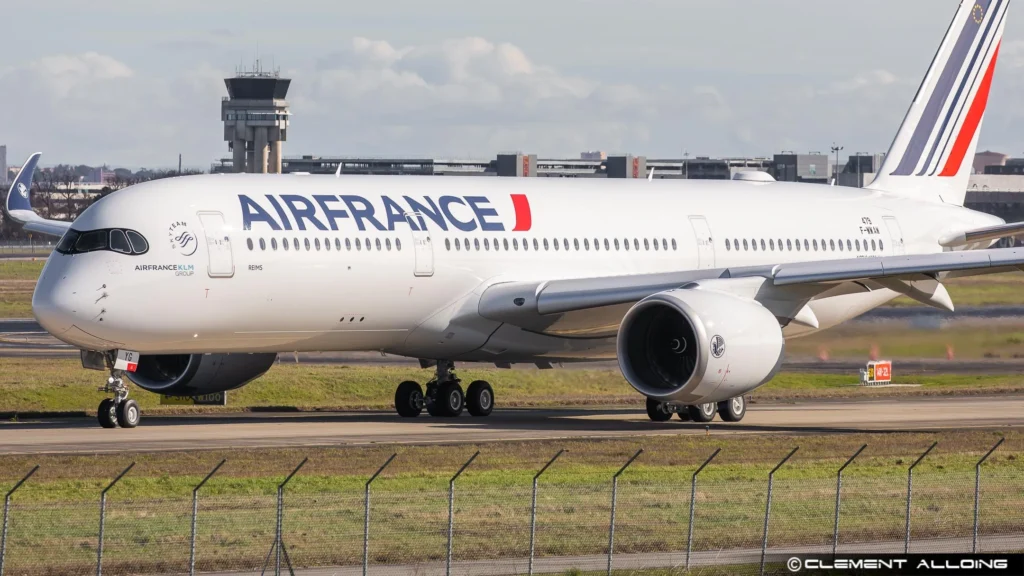
Air France Flight Emergency Landing at Azores
Flight AF460 departed Paris Charles de Gaulle (CDG) at 10:37 a.m. CEST for São Paulo–Guarulhos (GRU) when the crew noticed an unusual heating smell in the cabin.
Adhering to safety protocols, the pilots declared an emergency and diverted to Lajes Air Base (TER), which is equipped to accommodate large aircraft and regularly supports US and Portuguese military operations.
Registration number F-HTYC touched down at 2:58 p.m. local time. Lajes was selected over Santa Maria Airport (SMA) due to its superior emergency facilities and passenger support, as highlighted by reports.
In response, Air France sent a Boeing 777-200ER (registration F-GSPZ) from Paris to transport passengers onwards to São Paulo. The replacement flight included a Portuguese-speaking crew to assist travelers throughout the journey.
Consequently, Air France canceled flight AF459 from São Paulo (GRU) to Paris (CDG), which was scheduled for the same evening. Passengers from the diverted flight were rebooked, with a new departure time of 9:55 p.m. local time from Terceira, along with connections arranged to their final destinations.
According to Air France, this diversion was a precautionary step after the odd odor was detected. The airline affirmed that the Airbus A350 landed without issues and ensured passenger safety was their highest priority.
Although their journey was delayed by several hours, passengers arrived in Brazil early on August 9. The airline expressed regret for the disruption and thanked the travelers for their patience.
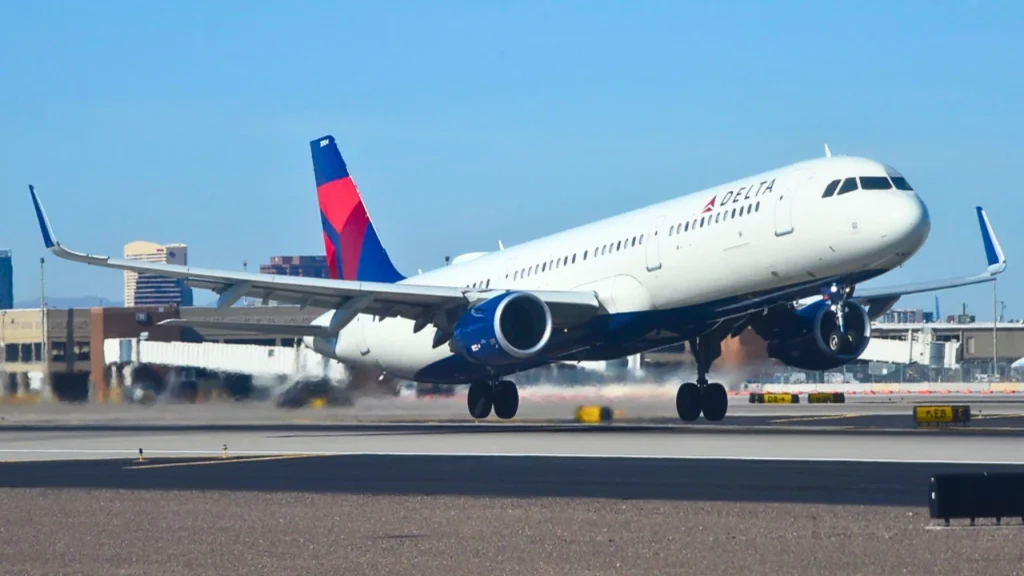
Similar Incident
On February 1, 2025, a Delta Air Lines (DL) Airbus A321 flying to Orlando International Airport (MCO) diverted to Raleigh-Durham International Airport (RDU) after an unidentified smell was reported in the cabin.
This flight, DL2090, was making its way from New York’s JFK to Orlando (MCO) with 158 passengers aboard. The aircraft safely landed at Raleigh (RDU), where Delta’s maintenance team conducted an assessment before arranging alternate travel for passengers.
The flight left JFK in the afternoon but reported the unusual odor en route. To ensure safety, the pilots opted for a diversion to RDU. Upon arrival, ground personnel were on hand to check the situation while passengers exited the aircraft.
Passengers were either transferred to a different aircraft later that evening or rebooked on earlier flights. Flight tracking showed that the replacement aircraft took off from Raleigh and reached Orlando shortly before 9 p.m., resulting in a delay of more than six hours from the original schedule.
Possible Causes of Cabin Odors
Delta has not released the specific cause of the odor on DL2090. Cabin odors in aviation can stem from a range of sources, including electrical issues, hydraulic fluid leaks, or external environmental influences. Occasionally, these situations are linked to ventilation system failures or chemical smells from passenger luggage.
Though rare, diversions caused by cabin odors are treated seriously to ensure the safety of passengers and crew. Maintenance teams conduct thorough inspections before an aircraft is approved for further flights.
Delta Air Lines confirmed the emergency landing, stating that the aircraft arrived without incident and that all passengers were taken care of. The airline also offered an apology for the inconvenience experienced due to the delay.