Lufthansa Group to Phase Out Six Aircraft Models Over Next Five Years

FRANKFURT– Lufthansa Group has announced an ambitious plan aimed at optimizing its long-haul operations by 2030. The airline will retire six types of widebody aircraft, consolidating its fleet for improved efficiency and cost management.
The German flag carrier has confirmed that this initiative will affect several of its subsidiaries, including Swiss International Air Lines (LX), Austrian Airlines (OS), and Brussels Airlines (SN).
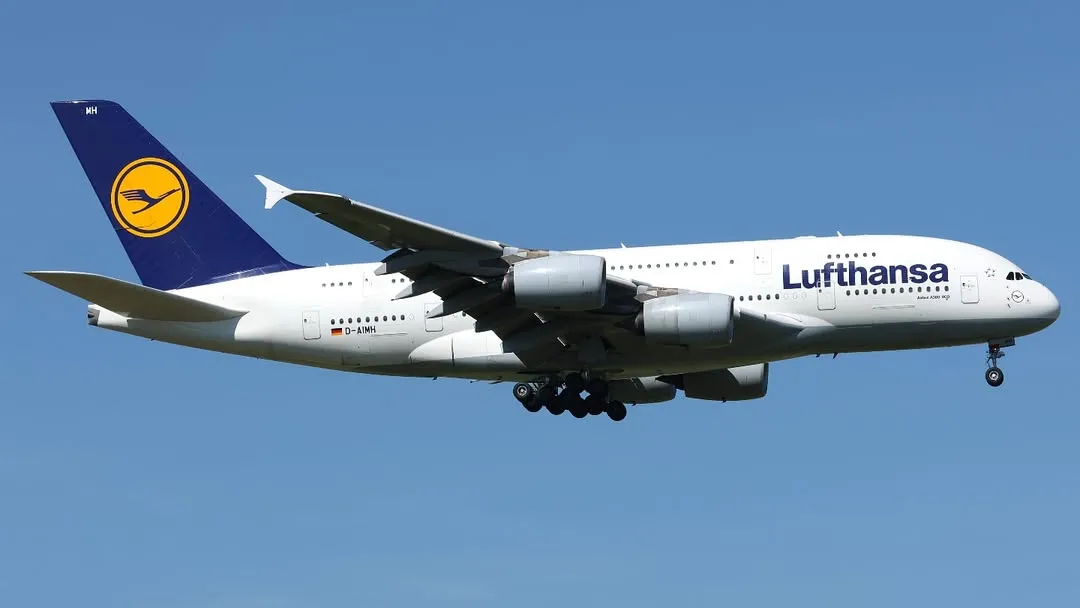
Retiring Aircraft Models
Lufthansa Group currently operates various long-haul aircraft, from older models like the Airbus A340 and Boeing 747-400 to newer additions such as the Airbus A350 and Boeing 787 Dreamliner.
As part of the new strategy, six aircraft types will be retired: the Airbus A340-300, Airbus A340-600, Boeing 747-400, Boeing 747-8, Airbus A330-200, and Boeing 777-200.
This fleet simplification aims to boost operational flexibility, streamline training experiences, and lower maintenance expenses at key hubs like Munich (MUC) and Zurich (ZRH).
The focus will shift to fewer, more efficient aircraft families—specifically the Airbus A350, Boeing 787, and Boeing 777X.
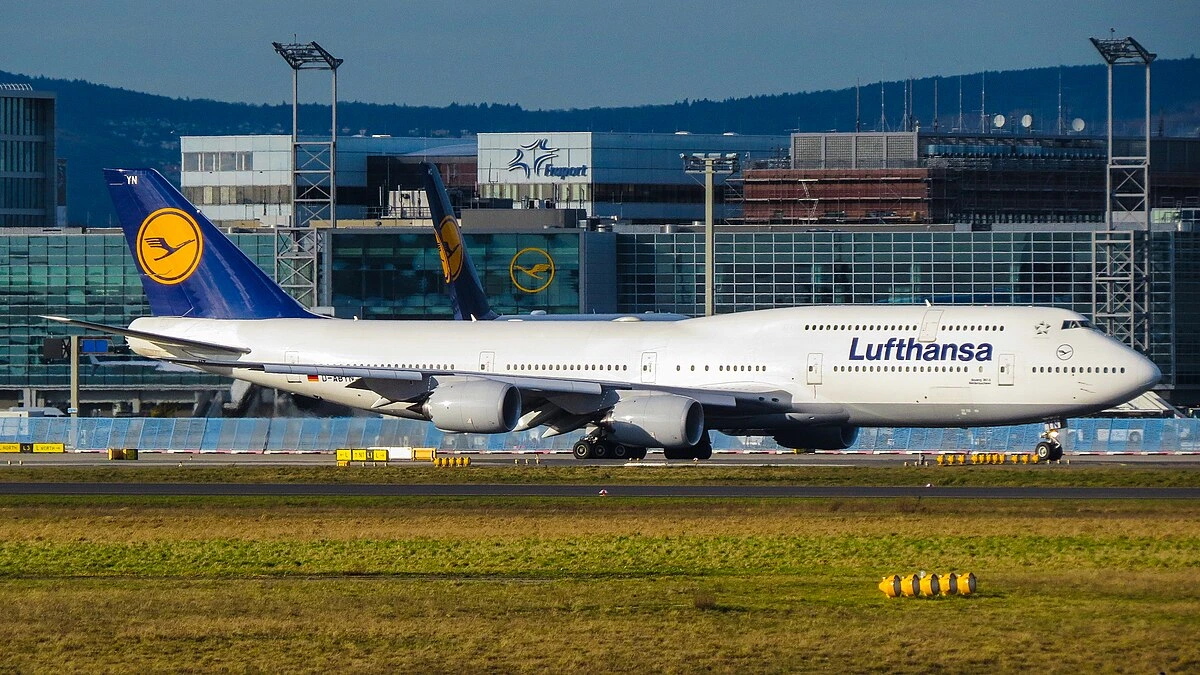
Efficiency Through Standardization
Standardizing the fleet brings multiple advantages to Lufthansa Group. It allows for more flexible crew scheduling, reduces pilot training costs, and decreases the need for spare parts.
This approach improves scheduling reliability, as managing fewer aircraft types simplifies operations across different airlines within the group. By 2030, significant cost savings are expected, alongside a reduction in emissions per passenger.
Lufthansa’s streamlining strategy will not only benefit its hubs in Frankfurt (FRA) and Munich (MUC) but also extend to Swiss International Air Lines in Zurich (ZRH), Austrian Airlines in Vienna (VIE), and Brussels Airlines in Brussels (BRU).
These airlines will gradually replace their existing older widebodies with newer models to align with Lufthansa’s fleet modernization approach.
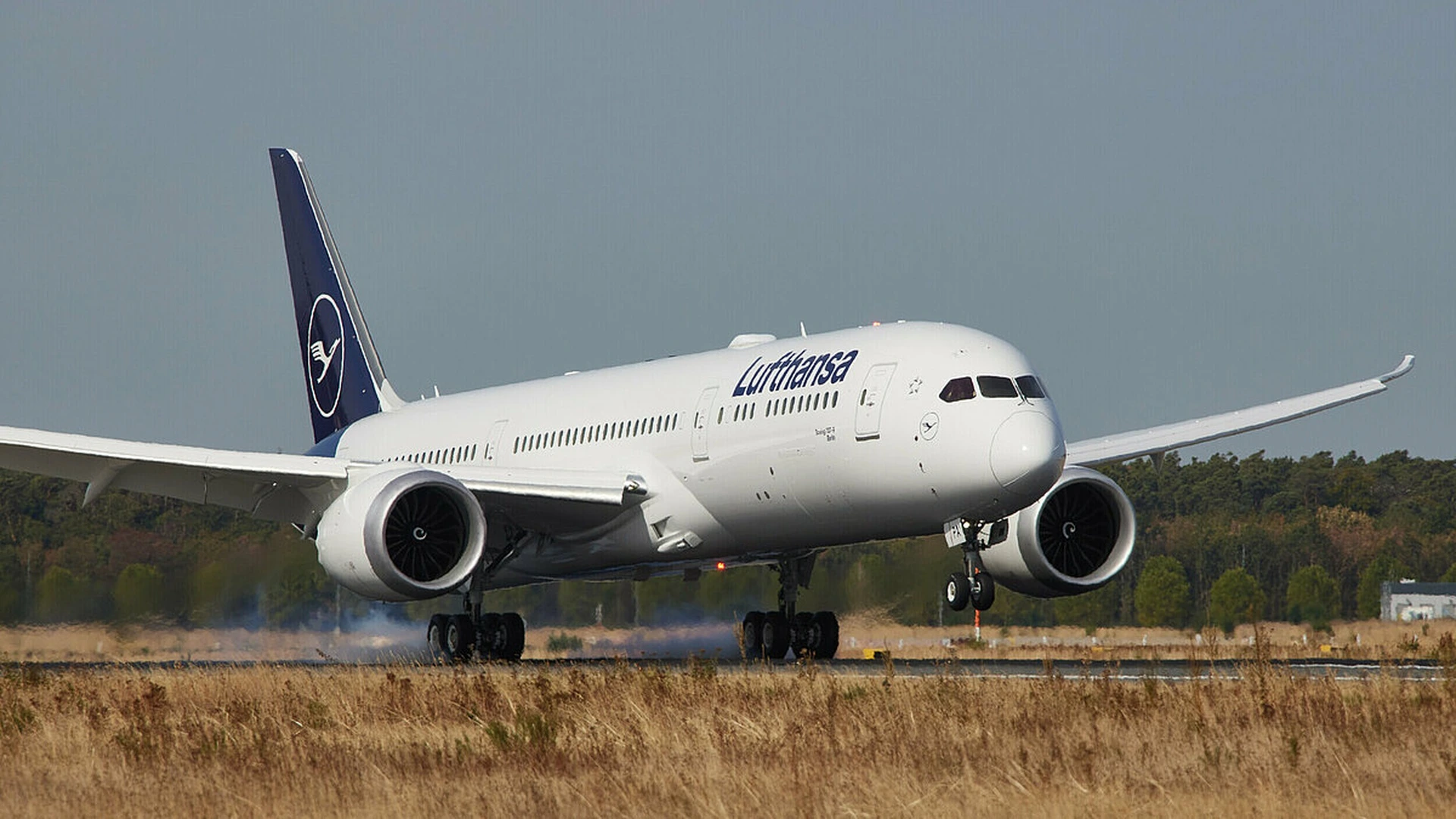
Future Fleet Composition
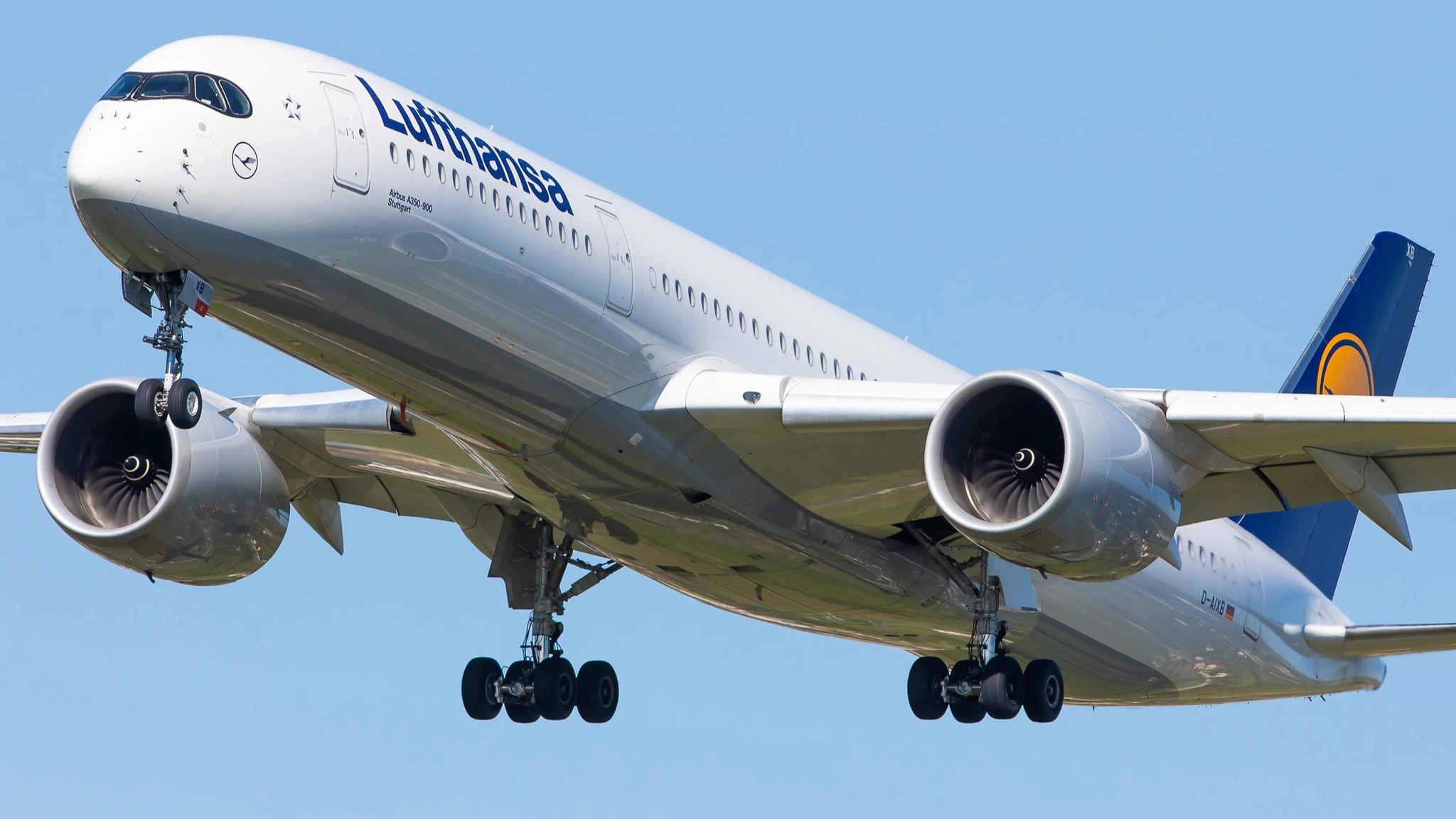
The future of Lufthansa Group’s operations will focus on three main long-haul aircraft: the Airbus A350, Boeing 787 Dreamliner, and Boeing 777X.
The introduction of the Boeing 787 aims to replace aging Airbus A340s and Boeing 767s. Once delivered, the Boeing 777X will eventually take over the Boeing 747 fleet, especially for high-demand international routes.
This transition marks the decline of iconic models like the Boeing 747-400, a staple of Lufthansa’s long-haul operations since the 1980s.
Conclusion
For travelers, Lufthansa’s fleet transition promises a more consistent cabin experience across its networks. By minimizing aircraft types, the company can standardize cabin products, in-flight entertainment systems, and service protocols across all brands.
Lufthansa’s initiative reflects a broader trend in the airline industry, where many carriers are shifting toward simpler operations and embracing next-generation aircraft.