Southwest Airlines Pursues International Growth, Engages Pilots and Crew

DALLAS— Southwest Airlines (WN) is beginning talks with its pilots and flight attendants regarding an ambitious expansion into new international markets.
The Dallas-based airline has triggered contract clauses with both the Southwest Airlines Pilots Association (SWAPA) and TWU Local 556, initiating negotiations on terms necessary to operate flights well beyond its existing network, as exclusively reported by PYOK.
Expanding Horizons
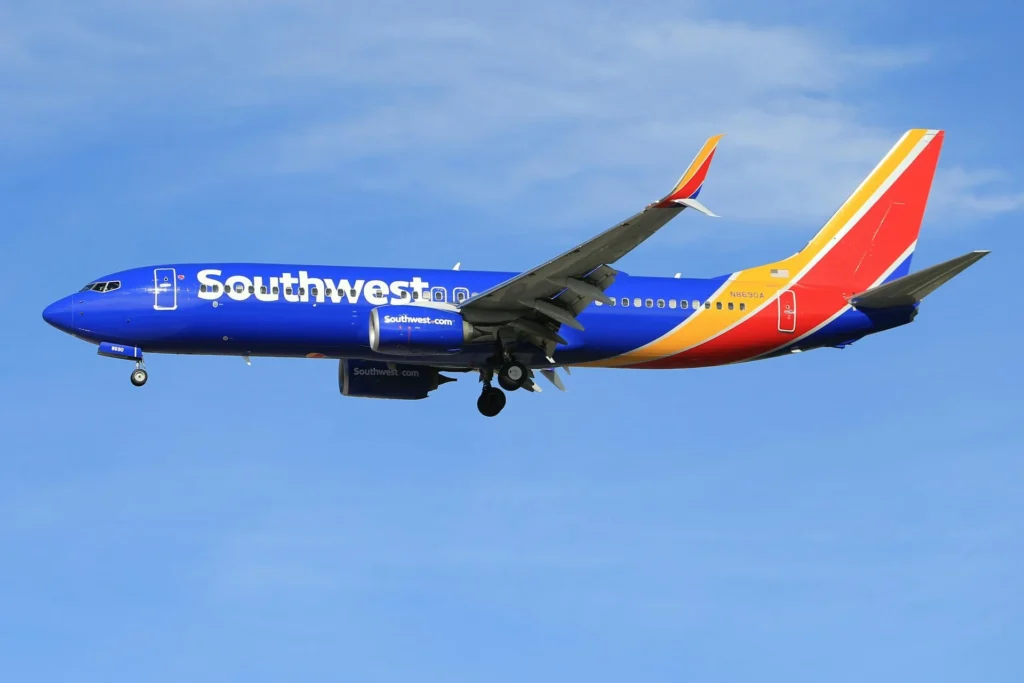
Southwest Airlines has formally engaged TWU Local 556, the union representing thousands of flight attendants, to negotiate additional agreements for international operations. Similar discussions are also taking place with SWAPA, the pilots’ union.
Negotiations will focus on necessary adjustments for longer routes. This includes revising duty hours, minimum rest requirements, and potential incentive pay for select destinations.
These agreements are vital since existing contracts were mainly designed for the domestic network, containing only limited provisions for international operations to countries like Mexico and Central America.
After transitioning into international markets in 2014, Southwest’s global presence remains relatively limited compared to its larger U.S. rivals.
Plans for Future Destinations
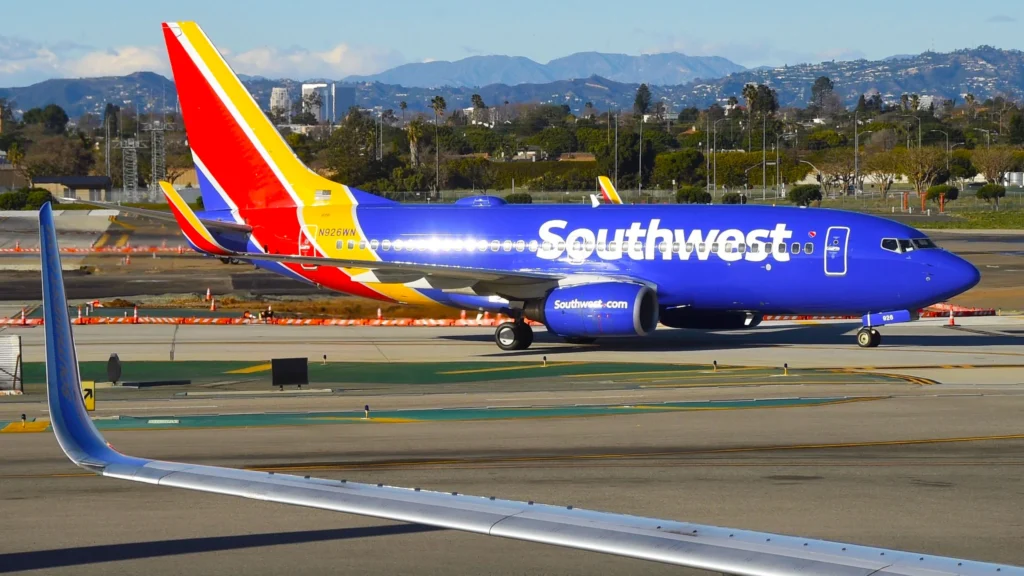
Southwest has disclosed intentions to launch nonstop flights to Iceland (KEF) in 2026. CEO Bob Jordan mentioned that the airline is also assessing a broader international network potentially encompassing Europe, Latin America, Africa, and Asia.
To facilitate this expansion, Southwest has submitted applications to the U.S. Department of Transportation (DOT) to secure authorization for flights to any nation linked by an Open Skies agreement with the U.S. Such agreements minimize regulatory hurdles, enabling airlines to expand across borders.
The U.S. has established these agreements with various entities, including the European Union, the United Kingdom, Japan, South Korea, Australia, India, and Thailand. This opens up a plethora of new destination opportunities for Southwest Airlines.
Challenges with Fleet Limitations
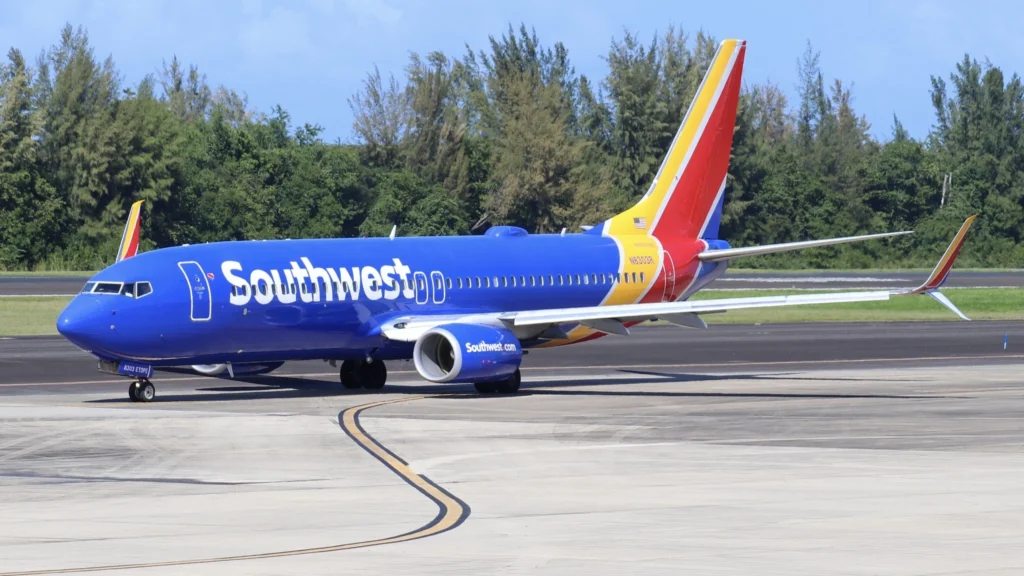
While Open Skies agreements create prospects for growth, Southwest’s current fleet of Boeing 737 aircraft presents certain limitations.
The 737 is suitable for some near transatlantic routes from the U.S. East Coast but is not designed for longer flights to Asia, Africa, or deeper into Europe.
If the airline is to commit to a global expansion, it may need to reconsider its longstanding model of operating a single type of aircraft and look into acquiring widebody jets capable of longer routes. This could signify a major shift in Southwest’s operational strategies.
Elliott Management’s Role
Driving these developments is Elliott Management, an activist investment firm urging Southwest to reevaluate its business format. With representation on the airline’s board, Elliott is pushing for a shift towards strategies more akin to traditional U.S. carriers.
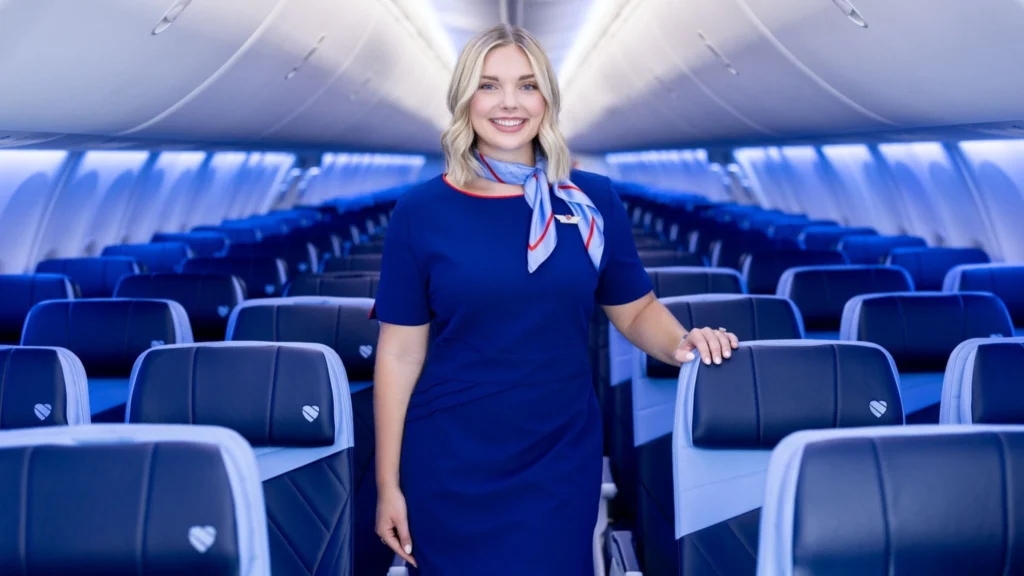
Some key features of Southwest have already started to phase out. For instance, the airline has announced the termination of its “Bags Fly Free” initiative and plans to end open seating practices next year.
Additionally, Southwest is establishing interline partnerships, including agreements with Icelandair and China Airlines, allowing passengers to create seamless international connections.
These moves indicate a broader transition from the company’s traditional low-cost, point-to-point model toward a more globally competitive approach.