Airbus Launches Assembly of New Aircraft Variant in Toulouse

TOULOUSE- Airbus has officially commenced the assembly of its much-anticipated A350 Freighter, following the arrival of the first major fuselage components at its final assembly facility in Toulouse.
This marks a significant milestone in the A350 Freighter program, emphasizing Airbus’s dedication to enhancing its footprint in the long-haul cargo market.
The forward and central fuselage segments were transported from Montoir-de-Bretagne, meticulously prepared by Airbus Atlantic before reaching Toulouse.
This arrival enables Airbus to integrate the aircraft’s primary structures, coinciding with the completion of the A350 Freighter wings at Broughton in the United Kingdom, indicating steady momentum toward flight testing.
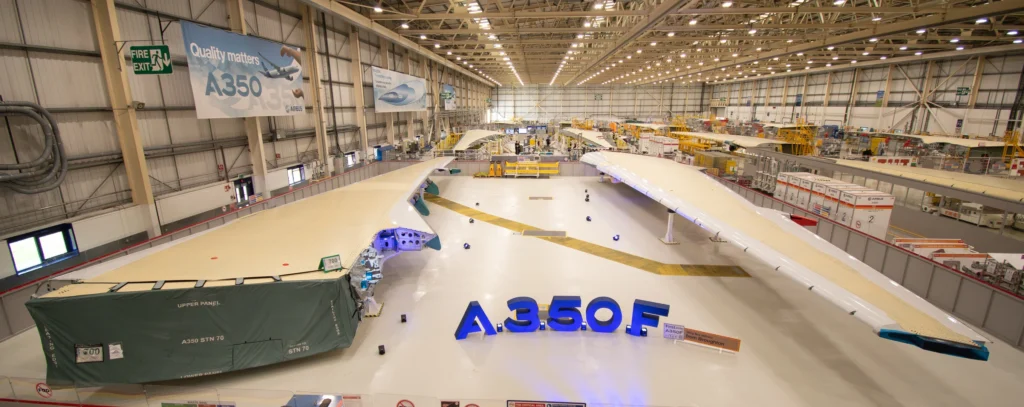
Airbus A350 Freighter Assembly
The Airbus A350 Freighter program is a direct response to the increasing demand for advanced freighter aircraft, particularly in light of expanding e-commerce and global logistics.
This initiative highlights Airbus’s long-term vision to introduce an environmentally friendly aircraft that can rival Boeing’s 777 Freighter while offering enhanced operational flexibility.
Initially slated for service entry in 2026, the A350F’s timeline has now been adjusted to late 2027.
This change reflects both the technical challenges of the program and broader industry issues, such as supply chain bottlenecks and labor negotiations, along with the need to enhance production capabilities.
Despite these hurdles, Airbus remains committed to ensuring program stability and meeting customer expectations.
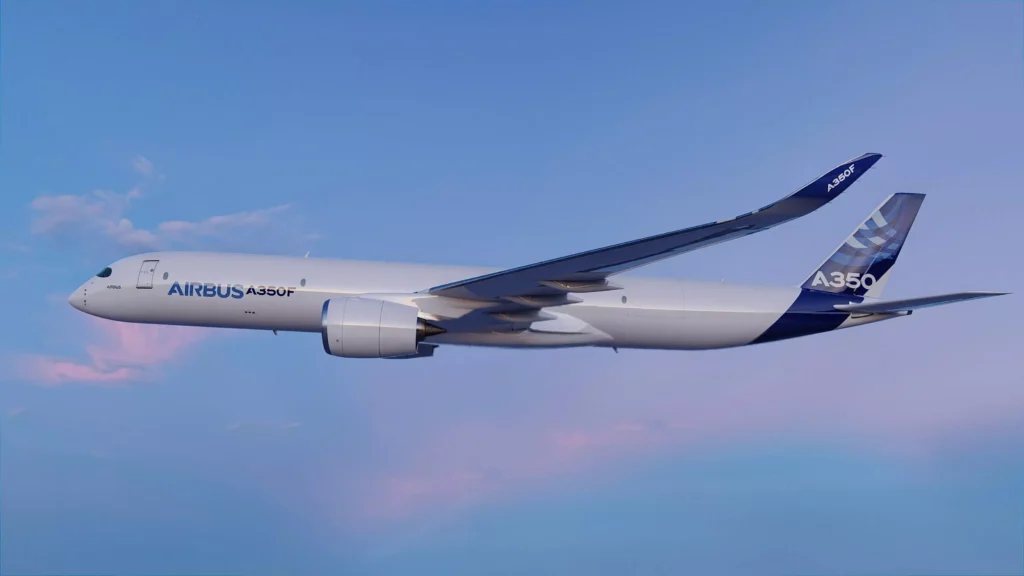
Market Positioning
The A350 Freighter launches into a competitive landscape primarily led by Boeing’s freighter lineup, especially the 777F.
Airbus aims to shake up this market by delivering a freighter that combines fuel efficiency, payload capacity, and adherence to upcoming emission standards.
The introduction of the A350F provides airlines with a contemporary, eco-friendly option at a time when carriers are upgrading fleets to comply with stricter environmental regulations.
In response, Boeing is expected to accelerate its innovation or enhance production timelines to maintain its market share.
This dynamic creates a competitive atmosphere, with major cargo operators assessing how each manufacturer’s aircraft meets their operational demands.
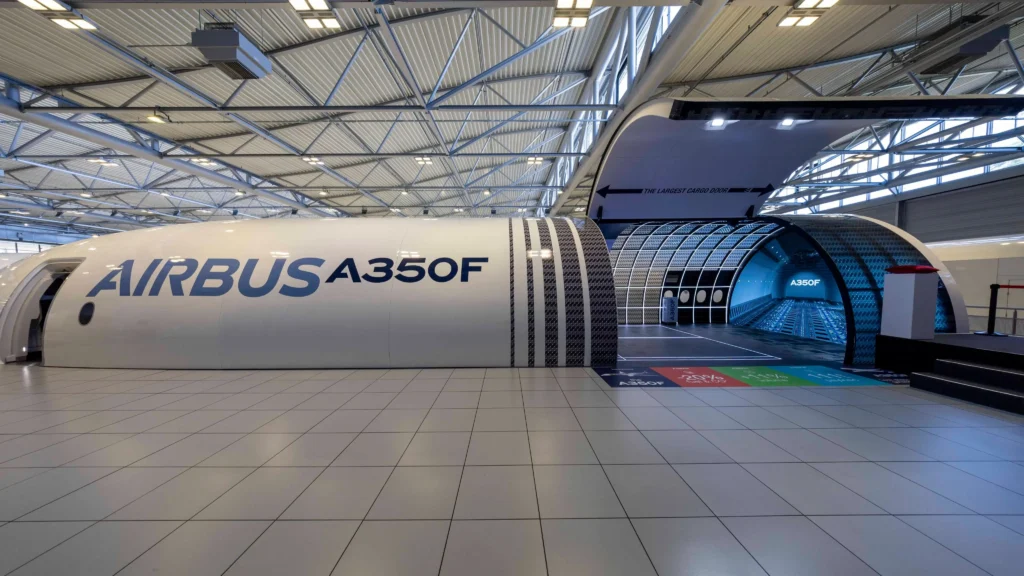
Specifications and Capabilities
The Airbus A350 Freighter is designed for optimal performance and efficiency. It offers a maximum payload capacity of 111 tonnes, capable of transporting large industrial machinery, oversized cargo, and aircraft engines across long distances.
With a range of about 4,700 nautical miles, it can connect major global trade hubs without stops, thus minimizing transit times and enhancing supply chain reliability.
A stand-out feature of the A350Freighter is its environmental performance. This aircraft consumes approximately 40% less fuel than older freighters, significantly cutting operating costs while lowering emissions.
Equipped with Rolls-Royce Trent XWB-97K engines and constructed using lightweight composite materials, the aircraft adheres to the International Civil Aviation Organization’s (ICAO) 2027 CO₂ standards.
Additionally, its cargo volume is comparable to that of the Boeing 747-400F, positioning it as a modern descendant of one of the industry’s most celebrated freighters.

Future Outlook
The evolution of the A350 Freighter signifies more than just another aircraft launch; it could transform Airbus’s standing in the cargo market.
Early interest from operators underscores the aircraft’s blend of payload capacity, efficiency, and reduced environmental impact.
Such momentum indicates that Airbus could extend its reach in a sector traditionally dominated by Boeing.
As assembly progresses in Toulouse, all eyes will be on how Airbus navigates assembly schedules, production scaling, and customer deliveries.
With initial fuselage and wing integration now complete, the path toward testing and certification appears clearer, although industry challenges may still impact the program’s timeline.