FAA Greenlights Phase 2D Noise Tests for Boeing 777X Aircraft

SEATTLE- The US Federal Aviation Administration (FAA) has officially authorized Boeing to initiate Phase 2D noise testing for the 777X. This development marks a significant milestone in the certification process of the much-anticipated widebody program.
Noise assessments for the Boeing 777X will take place in Glasgow, Montana. This step allows Boeing to broaden its Type Inspection Authorization (TIA) process, paving the way for more extensive evaluations in the future.
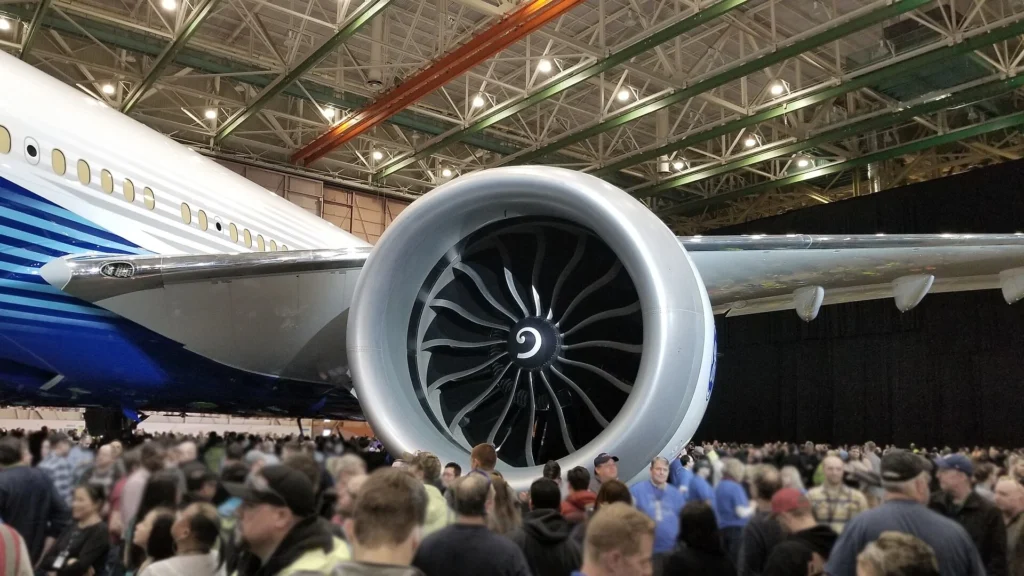
Boeing 777X 2D Noise Testing
The 777X project is notably behind its initial timeline. With initial deliveries initially set for 2020, projections now suggest that certification could happen in early 2026, with first deliveries expected later that year.
The aircraft’s test fleet has completed over 1,500 flights, amassing nearly 4,200 flight hours. As noted by industry sources, the Phase 2D approval is encouraging news for a program that has encountered numerous delays.
Upon the conclusion of Phase 2D, Boeing will advance to TIA Phase 3, which remains on the horizon.
Phase 3 will encompass additional tests, including assessing the Auxiliary Power Unit (APU) functionality under varying conditions, ensuring stability and control for secure handling, and executing precipitation static (P-static) tests to protect systems from static buildup.
Aircraft Specifications:
| Aircraft Variant | Range | Capacity | Engine |
|---|---|---|---|
| Boeing 777-8 | 8,745 nautical miles (16,190 km) | 395 seats (two-class) | GE9X (GE Aviation) |
| Boeing 777-9 | 7,285 nautical miles (13,500 km) | 426 seats (two-class) | GE9X (GE Aviation) |
The extended range and efficiency of the 777X establish it as a formidable competitor in the global long-haul market.
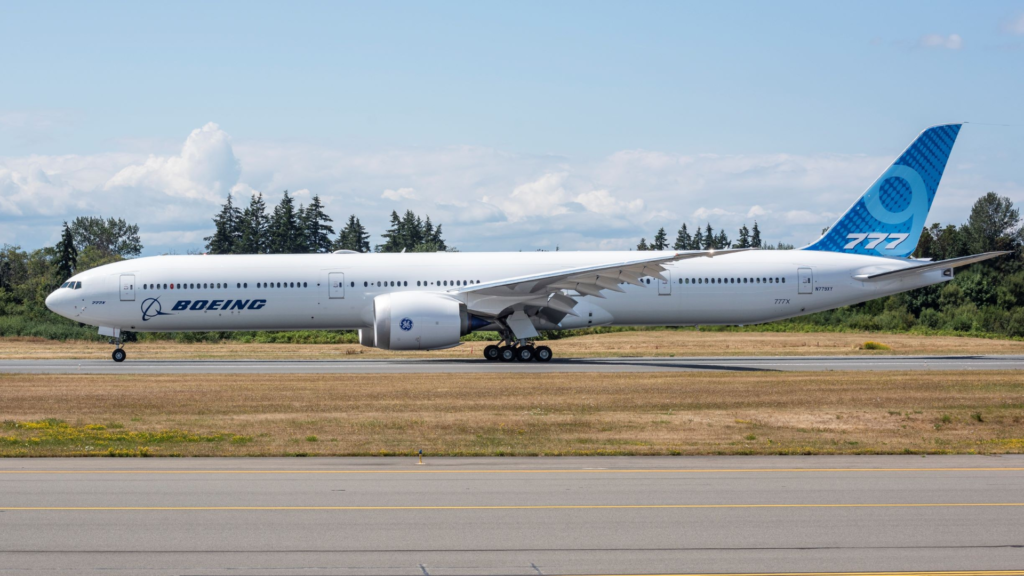
Lufthansa To Receive First 777X
Lufthansa, Germany’s flagship airline, is set to become the first operator of the Boeing 777-9, with delivery anticipated for mid-2026.
The airline has placed orders for 20 passenger variants and seven Boeing 777-8 freighters for Lufthansa Cargo.
Both the FAA and the European Union Aviation Safety Agency (EASA) must complete certification before the aircraft can be delivered.
The 777X program includes three variants: the 777-8, the 777-8F (freighter), and the 777-9. Lufthansa being the launch customer underscores its long-standing relationship with Boeing for expanding its widebody fleet.
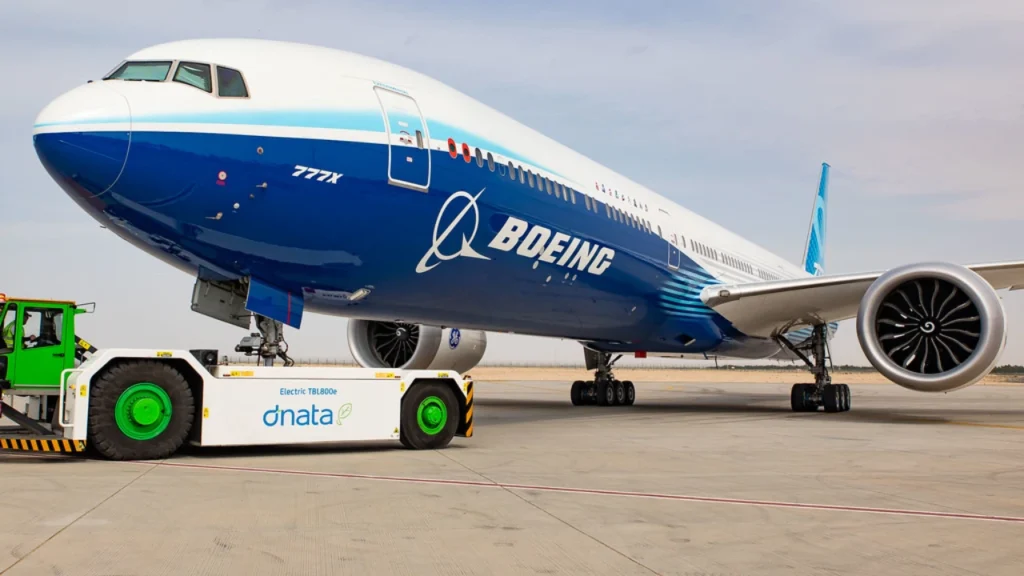
Technical Challenges And Delays
The Boeing 777X has encountered several technical hurdles. In 2020, an unexpected “uncommanded pitch event” caused the aircraft’s nose to rise without pilot command, leading to a revision of the flight control systems.
In mid-August 2024, thrust link failures discovered during tests brought certification to a standstill, further delaying the program.
Challenges intensified later that year due to a labor strike, aggravating the timeline. Thrust links are crucial as they transfer loads between the engine and the wing structure. Boeing redesigned these components in Spring 2025 to address exhaustion issues, which was a significant leap toward clearing certification hurdles.
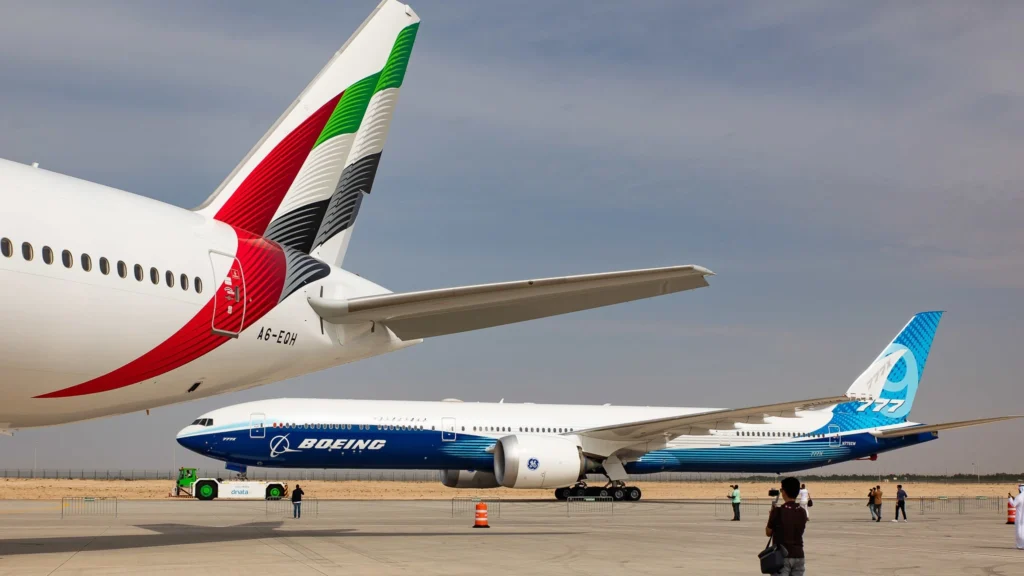
Airline Orders And Market Demand
Despite the setbacks, Boeing has continued to see significant orders for the 777X. As of May 2025, Middle Eastern carriers hold the majority of these orders.
These agreements were finalized during a visit by former US President Donald Trump, who was accompanied by Boeing’s CEO.
Qatar Airways confirmed an order for 210 Boeing widebody aircraft, which includes 30 777-9s and 130 787 Dreamliners, along with options for an additional 50 planes.
Etihad Airways also placed an order for 28 Boeing 787 and 777X jets, although the specifics for the 777Xs remain undisclosed.
In addition, China Airlines has become the latest East Asian customer, ordering 23 Boeing 777X aircraft, which consist of 10 777-9 passenger jets and four 777-8 freighters, with options for five more 777-9s and four additional 777-8Fs.
What are your thoughts on the 777X’s progress and its future in the aviation market?