Delta Passenger Sues Over Pressurization Issues on 737 Flight

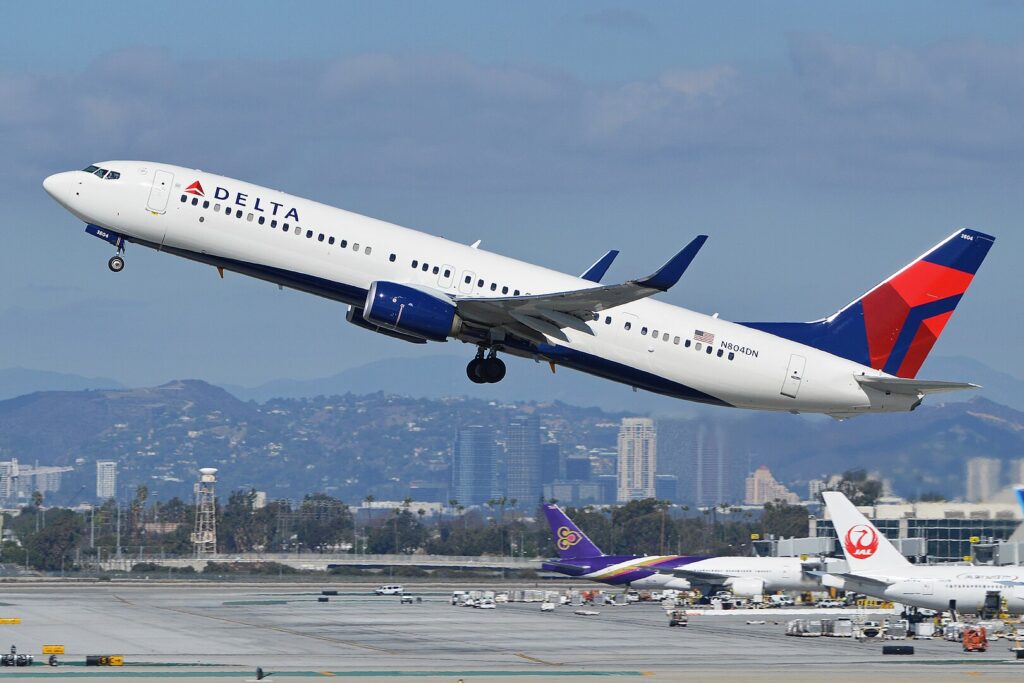
ATLANTA- A passenger aboard a Delta Air Lines flight has filed a lawsuit claiming she suffered permanent hearing loss due to a cabin pressurization failure on a Boeing 737. The flight, DL1203, took off from Salt Lake City (SLC) heading to Portland International Airport (PDX).
The incident arose shortly after takeoff, resulting in an emergency return to Salt Lake City. Jaci Purser, a resident of Utah, is suing Delta for alleged negligence and insufficient aircraft maintenance.
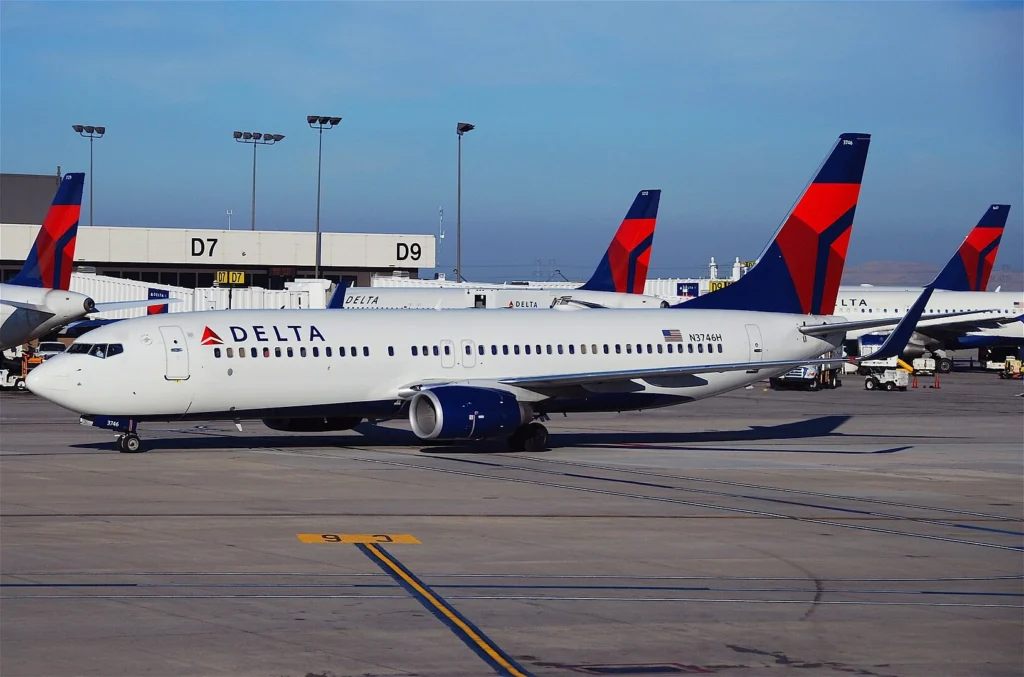
Delta Passenger Hearing Loss Lawsuit
The flight departed Salt Lake City at approximately 8:10 AM on September 15, 2024, carrying 140 passengers.
Scheduled for a routine 90-minute journey, things took a turn during the ascent when the cockpit received an alert about the cabin pressurization system. Consequently, the pilots stabilized the aircraft at just 9,000 feet instead of climbing higher.
Data from FlightRadar24 indicates that the aircraft circled back toward Salt Lake City, successfully landing within 16 minutes of departure. However, many passengers reported intense discomfort and signs of barotrauma.
Reports indicated that children were screaming in pain due to rapid ear pressure changes, with at least one coworker sustaining a ruptured eardrum and subsequently bleeding from the ear.
According to sources, approximately 10 to 15 passengers needed hospitalization following the emergency landing. Paramedics boarded the aircraft upon its arrival to evaluate injuries.
Passengers’ Experience
Several passengers reported significant discomfort due to the rapid changes in cabin pressure. One traveler shared with Aviation Herald that ears were “popping the entire time,” while another noted that a coworker suffered a ruptured eardrum with visible bleeding. Reports suggest that 10 to 15 individuals required hospital treatment.
Jaci Purser has officially taken legal action against Delta, asserting that she was “severely injured” and now faces permanent hearing loss. The lawsuit claims Delta’s negligence led to the aircraft malfunction.
Why Oxygen Masks Did Not Deploy
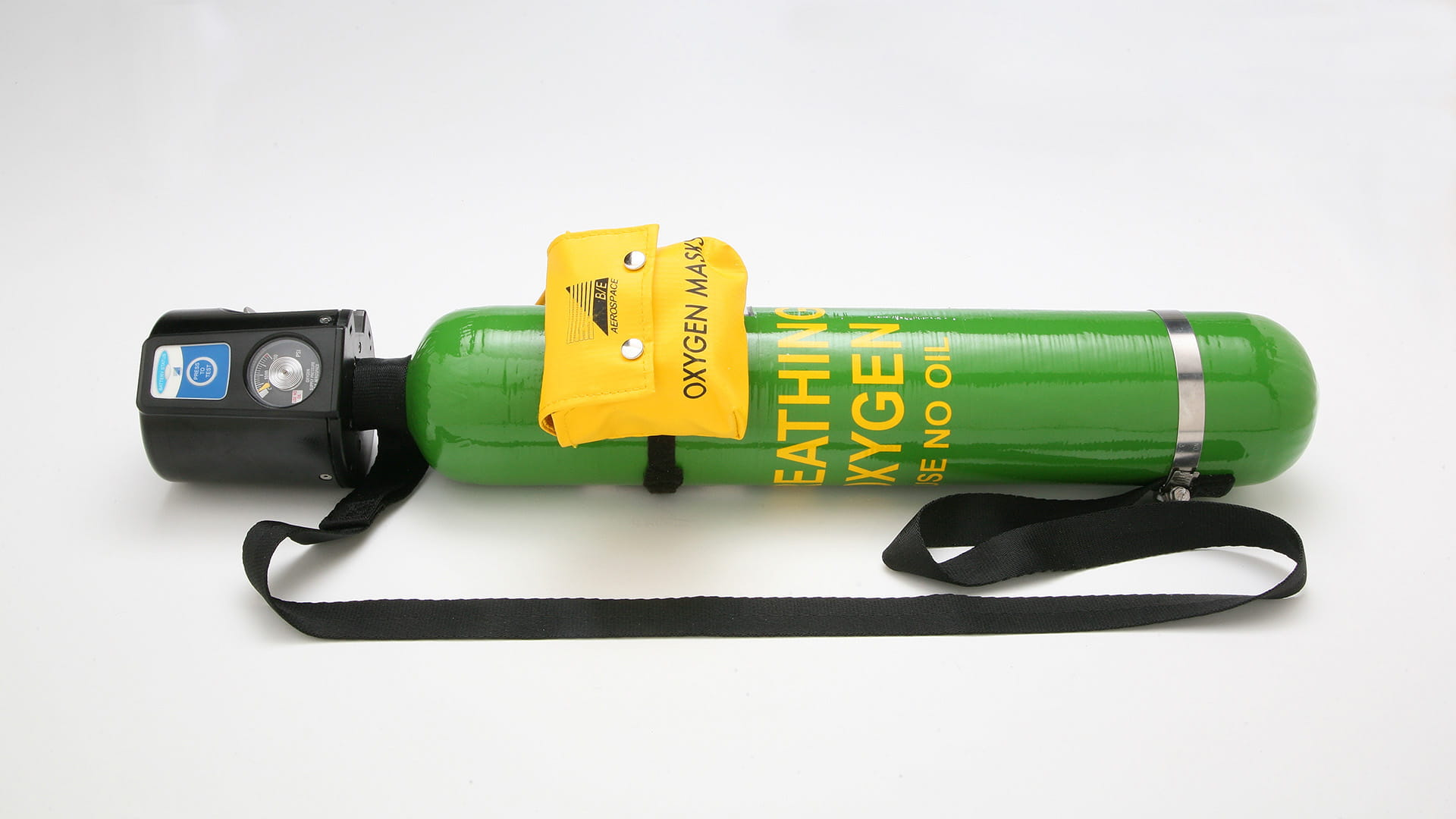
Many passengers questioned the absence of oxygen masks during the event. However, these masks deploy automatically at altitudes around 14,000 feet to prevent hypoxia.
In this instance, the plane did not reach that altitude, which explains why the masks did not activate despite the pressurization issue. This absence of automatic deployment is not considered a safety system failure, rather a direct consequence of maintaining a lower altitude.
The distress felt was not due to hypoxia, but instead a result of abnormal pressure fluctuations within the cabin.
Possible Causes of the Malfunction
The National Transportation Safety Board (NTSB) has not initiated a formal investigation, leaving the specific cause unclear.
Aviation experts suspect that the problem may not have stemmed from an inability to pressurize, but rather an over-pressurization incident.
This theory aligns with accounts of severe passenger injuries, as excessive pressurization can lead to intense pain and ear trauma. Although Delta has not provided a detailed account, the lawsuit claims negligence in the aircraft’s maintenance allowed for this malfunction.
The case may raise broader questions about airline protocols and system oversight, especially concerning aging Boeing 737 aircraft.
Legal Action Against Delta
In her lawsuit, Jaci Purser asserts she suffered “severe injury and permanent hearing loss” as a result of the malfunction.
The claim specifically accuses Delta of failing to appropriately maintain the pressurization system.
If the allegations are substantiated, this case could set a precedent regarding airline liability for passenger injuries and accountability for mechanical failures.
The outcome might also determine whether passengers could receive compensation for medical expenses, long-term repercussions, and emotional distress experienced during the incident.
What are your thoughts on airline safety measures and their accountability in such incidents?