Airbus Explores Innovative A360 Aircraft: Feasibility in Focus

TOULOUSE– Airbus has teased the potential launch of the A360, a next-gen narrowbody aircraft, during its recent summit. While aviation enthusiasts are excited about this announcement, there are ongoing concerns regarding whether this is the right moment for such a launch.
Currently, the global production system is already stretched to its limits in meeting the demands for models like the A320neo and Boeing 737. The introduction of a brand new narrowbody aircraft could exacerbate existing supply chain issues, potentially leaving airlines with fewer aircraft options when they need them the most.
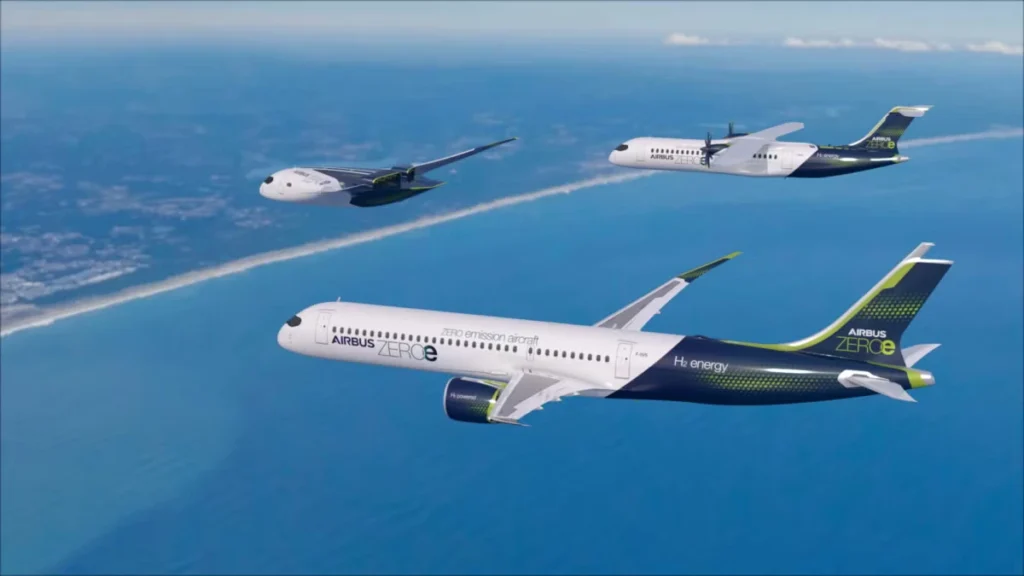
Airbus A360 Concept vs. Market Demands
The initial A360 concept from Airbus showcases innovative technologies, including an open-fan engine with a staggering bypass ratio of 70:1, foldable wings inspired by the Boeing 777X, and morphing control surfaces. These advancements could contribute to efficiency improvements of up to 25% compared to current turbofan engines.
However, the pressing issue remains timing. Aviation analyst Coby Explanes points out that the industry’s primary concern lies in production stability rather than groundbreaking innovations.
With both Airbus and Boeing facing significant backlogs—expected to persist well into the 2030s—the introduction of a new narrowbody jet could further stretch suppliers, creating a “supply crunch” for airlines.
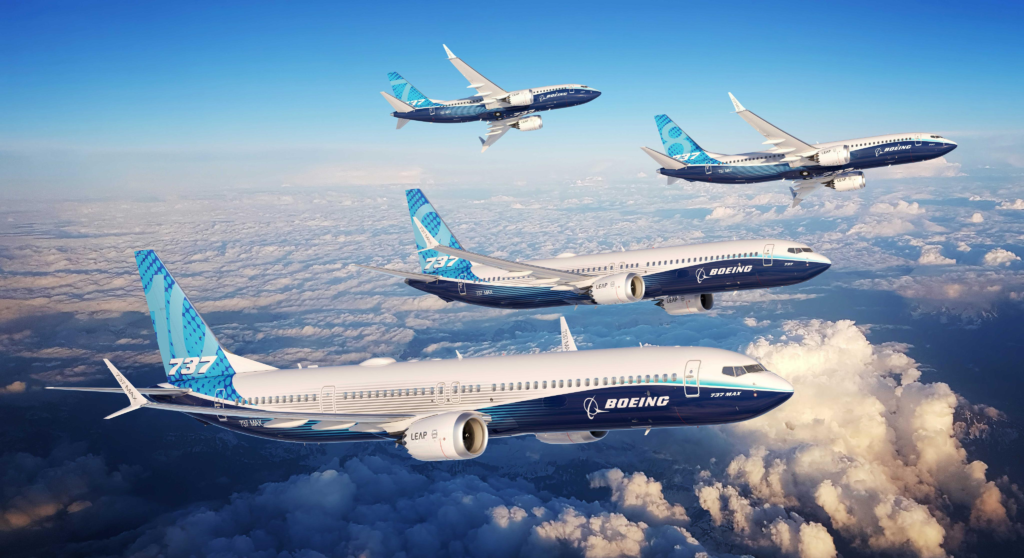
Boeing’s Need to Replace the 737 vs. Airbus’ Flexibility
Boeing faces a critical situation, needing to retire the 737 family due to its outdated design limitations and flatlining efficiency improvements.
On the contrary, Airbus possesses more leeway. The A320neo retains modern features like fly-by-wire systems and can accommodate larger engines.
Rather than aiming for a completely new design, Airbus could opt for an updated “A320X”—a less risky and quicker-to-market option that fits seamlessly into existing production lines.
While it may not be as cutting-edge as the rumored Boeing 797, this option offers reliability and cost-effectiveness, an appealing proposition for airlines currently facing delays.
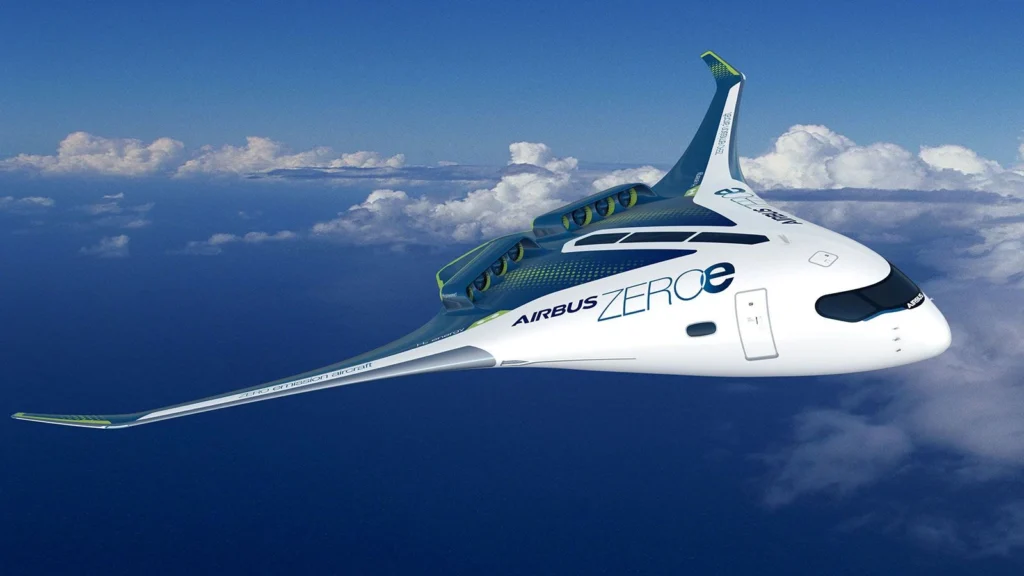
The Stretch and Complement Strategy
Coby suggests Airbus consider expanding the A320 platform into a new “A322” model, avoiding the compromises seen with Boeing’s MAX 10.
At the same time, the A220 family from Airbus is catering to the lower end of the single-aisle market. A proposed A220-500 variant could compete effectively with smaller narrowbody jets, ensuring Airbus meets demand across short and medium-haul regions.
This dual approach—combining the A220 with derivatives of the A320—provides stability, efficiency, and less risk in production, while covering various airline demands.
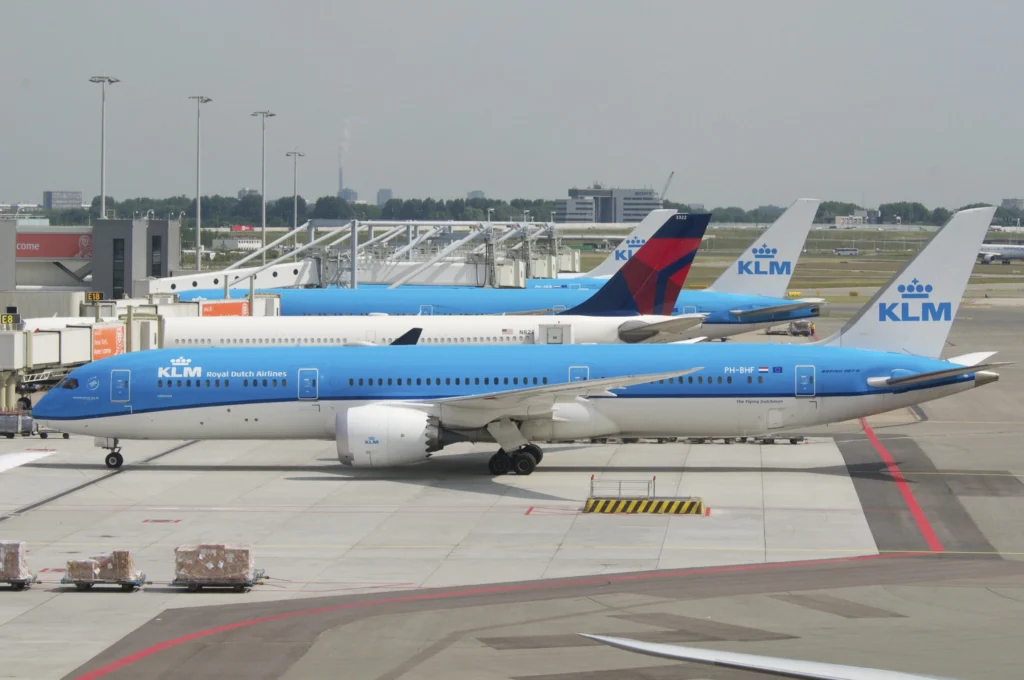
Why the Widebody Market Represents a Significant Opportunity for Airbus
Considerable potential is seen in the widebody market. Boeing’s 787 Dreamliner currently leads in long-haul travel, while Airbus’ A330neo has struggled in the efficiency and sales battle. By the mid-2030s, many early Dreamliners will start retiring, creating a crucial window for replacement.
Airbus could utilize the A360 name for a completely new widebody aircraft aimed at succeeding the A330neo. This would parallel the successful introduction of the A350, which effectively filled the gap as older Boeing 777 jets exited airline operations.
A new A360 widebody would allow Airbus to compete directly with the 787 and attract airlines in search of efficient long-haul solutions.

Conclusion
Airbus faces a pivotal choice: whether to pursue the progressive A360 narrowbody model alongside Boeing’s new initiatives, or focus on refining the A320 family while also planning a widebody replacement strategy.
Coby’s insights indicate that the latter option might be the more prudent course—delivering consistent capacity to airlines now while setting the stage for a future widebody offering that could alter the landscape of long-haul travel.
The real question isn’t whether Airbus can produce the A360 but whether it is the right moment for such a launch.