Families of Air India 787 Crash File Lawsuit Against Boeing and Honeywell

DELHI- Families of four individuals who tragically perished in the crash of Air India Flight 171 have initiated legal proceedings in the United States against Boeing and Honeywell, citing negligence as a primary concern.
This ill-fated flight, operated on a Boeing 787 Dreamliner, was en route to London Gatwick (LGW) and met with disaster shortly after departing from Ahmedabad (AMD) in June, leading to a death toll of 260. The lawsuit contends that malfunctioning fuel switches were responsible for the catastrophe, accusing both Boeing and Honeywell of negligence by choosing not to mitigate the known risks.
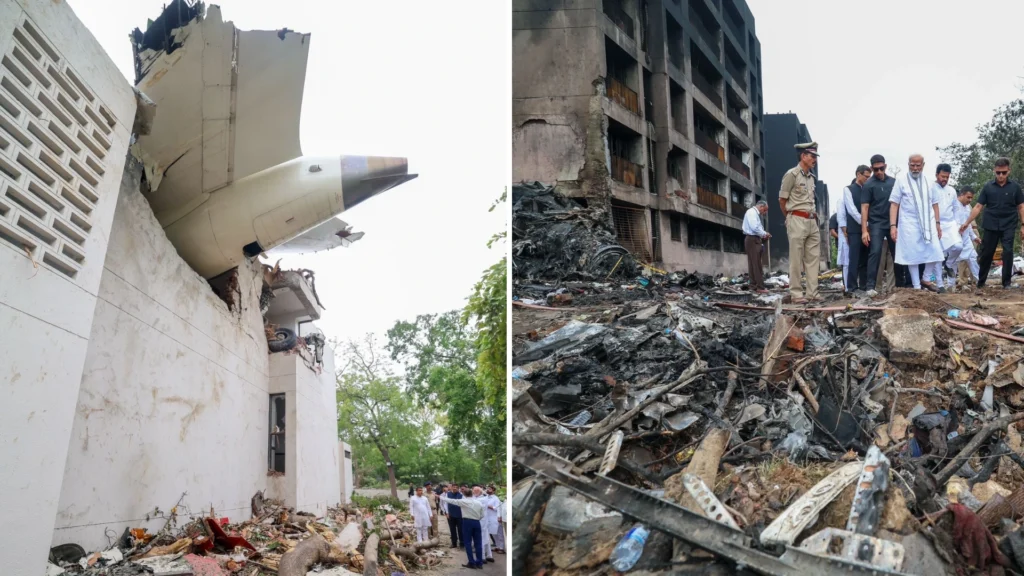
Air India Families Sue Boeing and Honeywell
The legal complaint, which has garnered attention from media outlets like the BBC, accuses Boeing and Honeywell of neglecting safety issues related to the fuel control switches on the Dreamliner. The family members claim these switches were susceptible to unintended movement from “run” to “cut-off,” thus interrupting fuel supply to the engines shortly after liftoff.
India’s Aircraft Accident Investigation Bureau (AAIB) stated that this fuel cutoff directly caused the engines to fail, leading to the crash. The families contend that this represents a design flaw, arguing that the system should have been designed to prevent such accidental shutoffs.
Despite the warnings, the lawsuit claims that neither company took the necessary steps to issue mandatory safety procedures or provide replacements. It references a 2018 FAA advisory that suggested inspections of the switches but did not enforce compliance.
The lawsuits emphasize that Boeing and Honeywell chose to rely on non-mandatory advisories instead of implementing corrective measures, which allowed the dangerous defect to persist.
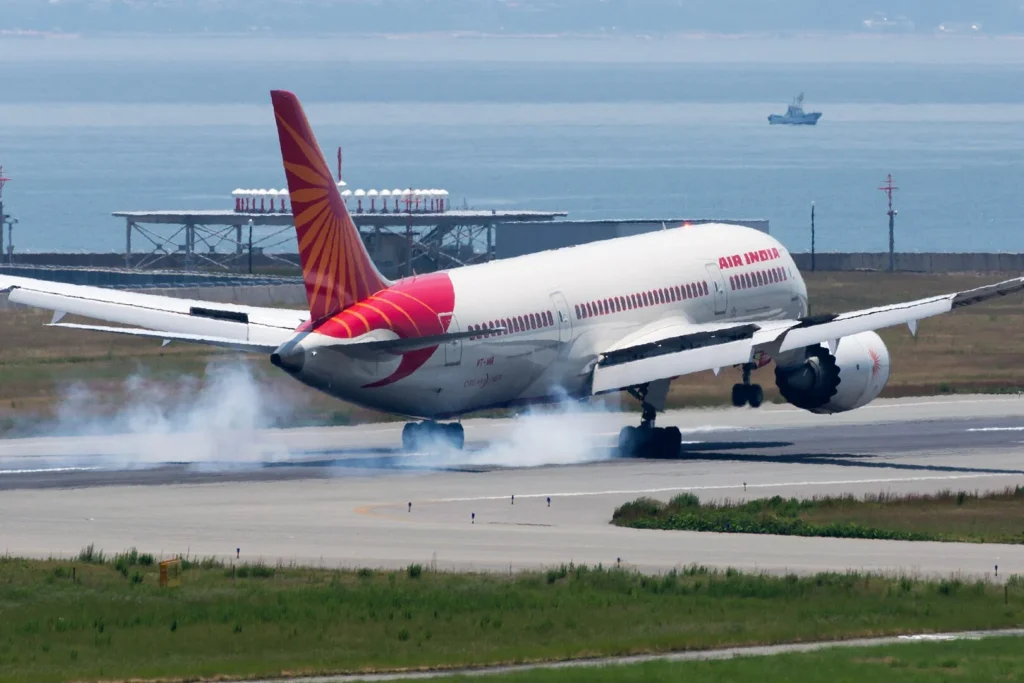
Background of the Crash
Air India Flight 171 took off from Ahmedabad (AMD) bound for London Gatwick (LGW), carrying 229 passengers and 12 crew members, resulting in a total of 260 fatalities, including 19 individuals on the ground. Shortly after departure, a simultaneous loss of thrust in both engines occurred due to a cutoff in fuel supply. Investigators suspect that the fuel control switch inadvertently changed positions, causing the engine shutdown.
The AAIB emphasized that these switches are pivotal to ongoing investigations. Boeing has refrained from commenting specifically on the lawsuit, choosing instead to address the AAIB’s preliminary findings. Honeywell has yet to release an official statement, and a comprehensive report is anticipated in 2026.

Bottom Line
This lawsuit underscores larger concerns within the aviation industry about the efficacy of non-mandatory advisories. The 2018 FAA advisory surrounding the Dreamliner fuel switches suggested inspections without enforcing requirements, leading family members to assert that such an approach has left airlines exposed to potential mechanical catastrophes.
The outcome of this case could have significant ramifications for both Boeing and Honeywell. If U.S. courts conclude that these companies were aware of the defect but chose inaction, it could set a precedent affecting future regulations concerning mandatory safety measures for critical aircraft components.
How do you think this lawsuit will shape future safety regulations in aviation?