Data Breach: Qantas Airways Customers’ Info Exposed on Dark Web

SYDNEY- A significant data breach has occurred, with hackers leaking the personal information of approximately six million Qantas (QF) customers on the dark web. This incident unfolded after a third-party software vendor declined to comply with ransom demands.
The breach stemmed from a cyberattack targeting Salesforce, a US technology provider utilized by numerous global organizations.
Compromised data includes customer names, email addresses, frequent flyer numbers, and, in certain cases, additional sensitive details like dates of birth, addresses, and meal preferences. Qantas, headquartered at Sydney Airport (SYD), has stated that frequent flyer accounts are secure and is offering affected customers complimentary credit monitoring services.
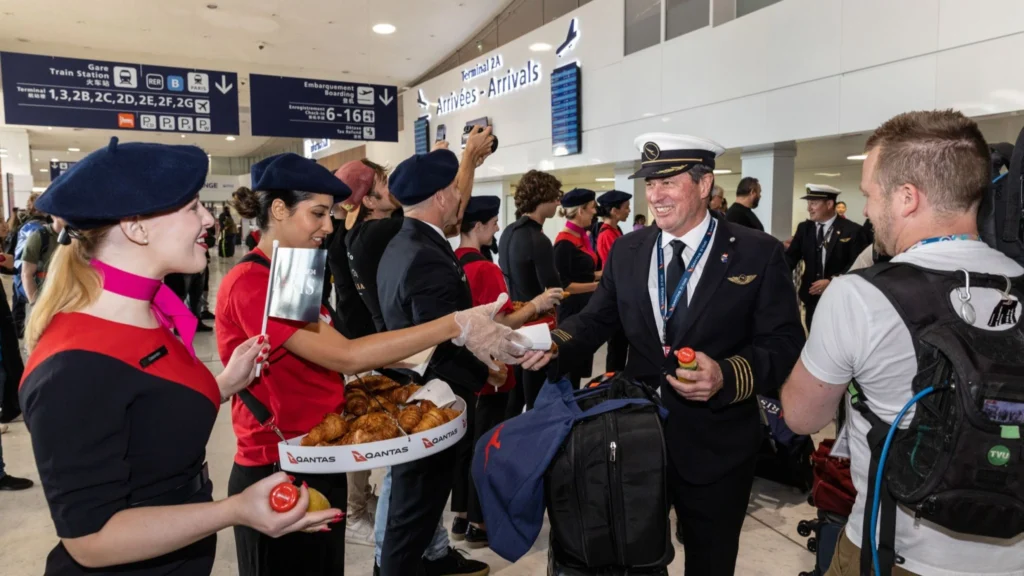
Hackers Reveal Qantas Customer Data
In late June, Qantas acknowledged it was among several global companies impacted by the Salesforce breach.
This cyberattack also affected major airlines such as Air France (AF) and KLM Royal Dutch Airlines (KL), as well as luxury brands like Cartier, Louis Vuitton, and Pandora.
Reports indicate that the hackers set a deadline for Salesforce to pay the ransom, threatening to release the stolen data if the demand was not met. Following the deadline, cybersecurity experts in Australia confirmed that compromised personal information of Qantas customers had been posted on dark web forums.
This incident is reportedly part of a larger trend of attacks that exploit vulnerabilities in widely utilized enterprise software.
The compromised dataset poses a serious privacy threat, as the hackers may leverage this sensitive information for identity theft, phishing, or social engineering attacks.

Qantas Response and Internal Measures
Qantas has assured its customers that no financial information or passwords were jeopardized, and frequent flyer accounts remain secure.
The airline is providing free credit and identity monitoring services, urging passengers to remain vigilant for any unusual activities linked to their personal data.
In a move to uphold accountability, Qantas executives have had their annual bonuses reduced by 15%. This decision reflects the airline’s commitment to bolstering cybersecurity measures and transparency following the incident.
Wider Aviation Industry Facing Cyber Threats
Qantas is not the only airline grappling with cyber threats. Customers of Air France in the US have filed a class-action suit, claiming negligence in protecting passenger information.
Earlier in the year, the FBI’s Cyber Division cautioned airlines about increased risks from hacker groups like “Scattered Spider,” which are infamous for targeting aviation networks through social engineering tactics.
British Airways (BA) has also taken precautions by temporarily locking out hundreds of staff from critical operational systems while implementing stronger cybersecurity protocols.
Looking Toward the Future
The breach of Qantas data underscores the pressing issues surrounding digital security within the aviation sector.
As airlines increasingly rely on third-party cloud services for operations and customer interactions, their exposure to cyber threats is growing.
Enhancing vendor oversight, implementing multi-layered authentication, and improving employee education are vital strategies for safeguarding passenger data.
What are your thoughts on how airlines can enhance their cyber security measures?