Passengers Sue American Airlines Over Boeing 737 Engine Fire Incident

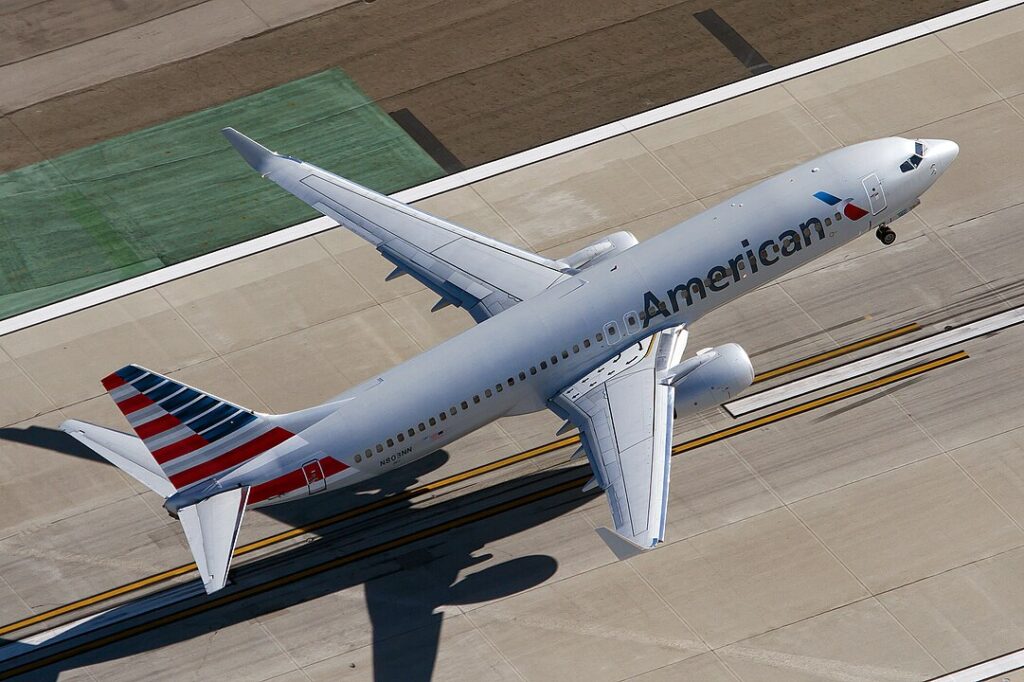
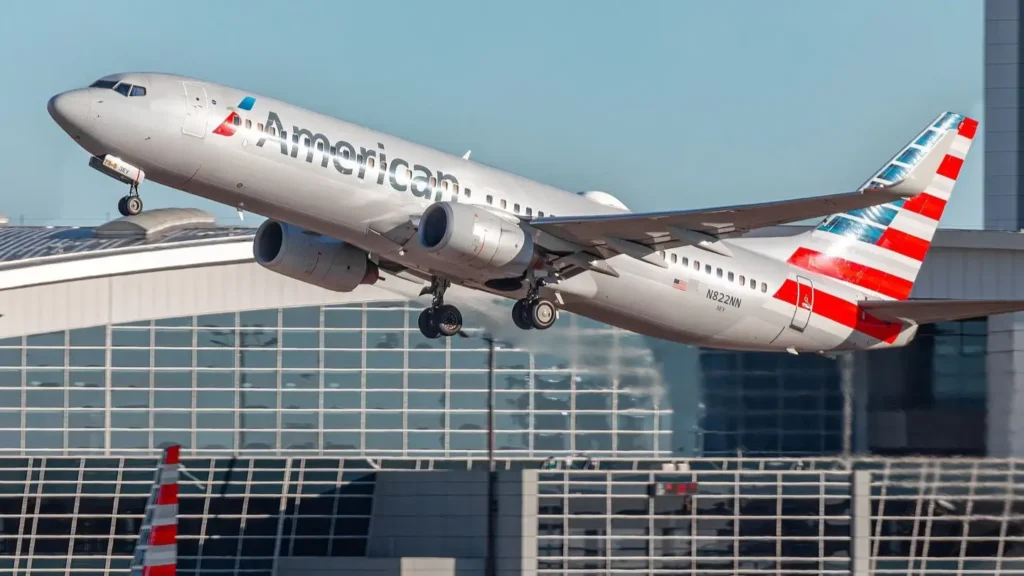
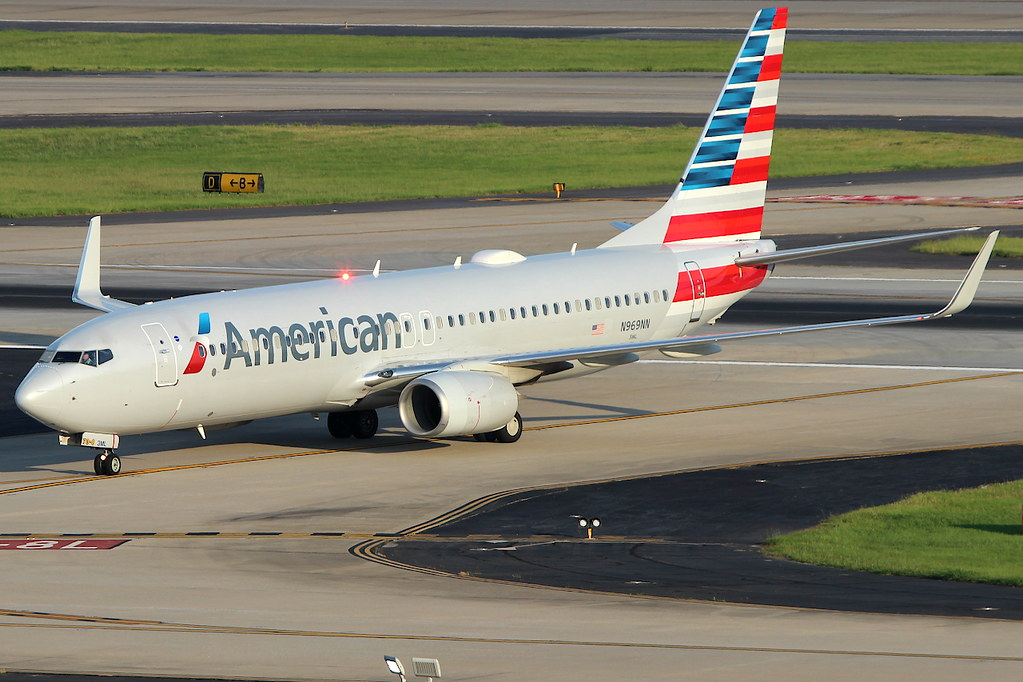
FORT WORTH- A group of sixteen passengers has initiated legal action against American Airlines (AA) following a significant incident where a Boeing 737 engine ignited at Denver International Airport (DEN).
The flight, AA1006, was making its way from Colorado Springs (COS) to Dallas Fort Worth (DFW) when it had to divert due to issues with the engine.
The event, which took place on March 13, 2025, led to an emergency evacuation after the aircraft landed. The passengers allege that the airline demonstrated negligence in maintenance and emergency procedures, endangering their lives.
Details of the Lawsuit
The lawsuit spans fourteen pages, presenting the events that unfolded prior to the incident.
Passengers claim that pilots received an exhaust gas temperature warning for the right engine before taking off from Colorado Springs but chose to proceed anyway.
Shortly after takeoff, abnormal vibrations were noticed, prompting the crew to cease their ascent at 16,000 feet. Instead of returning to Colorado Springs, the decision was made to divert to Denver.
Legal documents allege that the pilots failed to declare an emergency and dismissed air traffic control’s offer for fire services to meet the aircraft upon arrival. After landing, they taxied for eight minutes without assistance.
During this time, fluid leaked from the right engine. As the plane approached its designated gate, flames erupted from the engine, releasing thick black smoke around the fuselage.
In the cabin, chaos erupted when the fire ignited. The complaint detailed: “After coming to a stop, panic ensued as unaware passengers of flight 1006 saw flames and smoke through their windows.”
Flight attendants attempted to contact the pilots but received no reply. With smoke filling the cabin, they conducted an evacuation without authorization from the cockpit.
Passengers rushed to escape. A rear left emergency slide failed to deploy, pushing many to exit through exits close to the fire.
Some attempted to evacuate onto the wings, only to find the drop to the ground was too high for a safe jump. Six individuals required hospital treatment for injuries sustained during the escape.
The plaintiffs include two children and a pregnant woman. Their legal counsel argues that the pilots mishandled the emergency, unnecessarily endangering passengers by not stopping on the runway or summoning fire crews.
The filing accuses the airline of gross negligence and “outrageous conduct.”
NTSB Investigation Findings
In June 2025, the National Transportation Safety Board (NTSB) released a preliminary report. It identified multiple maintenance issues potentially responsible for the fire:
- A retaining wire in the fuel connection was incorrectly installed.
- A variable stator vane actuator was improperly attached, risking fuel leaks.
- A clogged engine drain pipe was obstructed by glue-like sealant.
These mechanical faults likely triggered the abnormal vibrations and subsequent fire, supporting claims that the aircraft should not have departed from Colorado Springs.
Compensation and Court Proceedings
The lawsuit seeks no specific compensation amount but aims for the maximum damages allowable under Colorado law.
This includes economic and non-economic losses, medical bills, emotional distress, and physical impairment. The plaintiffs also seek interest, legal fees, and any additional relief the court deems appropriate.
A scheduling conference is slated for November 3, 2025, where the court will determine the next steps in this case.
What are your thoughts on the safety protocols in aviation following incidents like this?