Dubai Airport Recognized as 5th Largest Low-Cost Airline Hub Worldwide

DUBAI, UAE– Dubai International Airport (DXB) has been named the best low-cost hub in the Middle East for 2025. This recognition comes from the recent OAG Mega Hubs 2025 report, which evaluates connectivity and the performance of low-cost carriers (LCCs) globally.
On a world stage, DXB is the fifth most connected low-cost hub. This achievement highlights the airport’s progressive aviation strategy and the growing importance of budget travel within the UAE’s travel network.
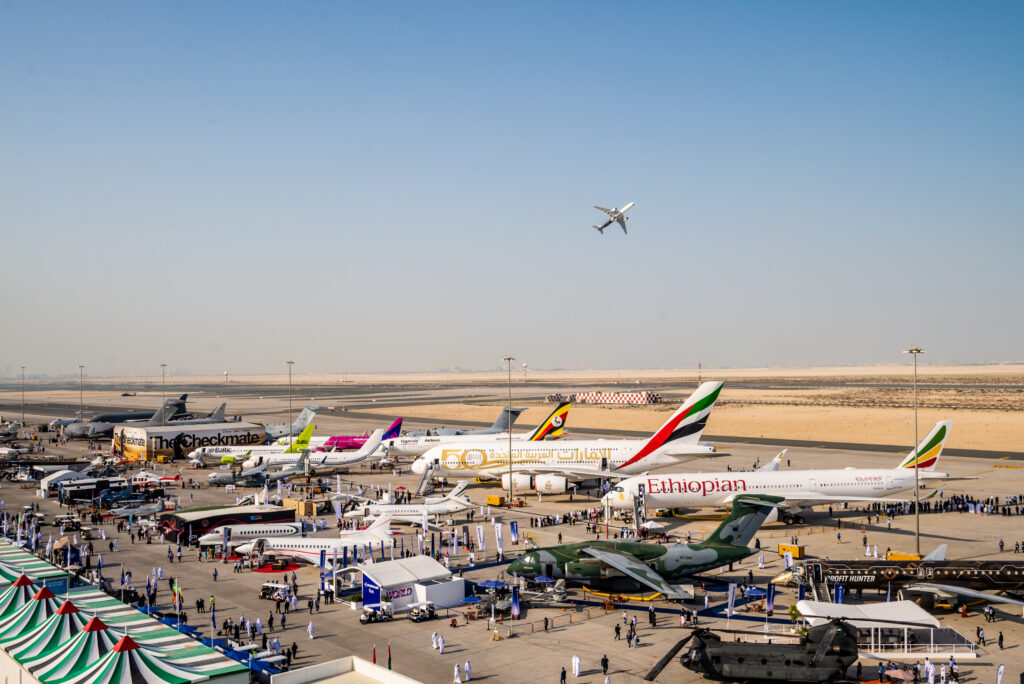
Dubai Airport: Low-Cost Hub
With the largest share of potential LCC connections in its category, DXB is significantly influenced by flydubai, which operates about 28% of all flights from the airport. This has resulted in a yearly growth of 4% in low-cost routes.
The airport’s notable success in low-cost connectivity is impressive given its established reputation as a premium hub. DXB has also improved its overall connectivity rank, moving from 16th to 15th place globally.
In 2024, DXB maintained its status as the busiest international hub in the UAE, serving over 92 million passengers, reflecting a 6.1% increase from the previous year.
This ranking reinforces Dubai’s commitment to advancing both full-service and low-cost aviation operations. It demonstrates that DXB is more than just a premium international gateway; it’s a competitive hub for budget travelers as well.
| Metric | Value / Ranking |
|---|---|
| Global LCC hub rank | 5th most connected low-cost hub |
| Regional rank (Middle East) | 1st among Middle East low-cost hubs |
| Share of LCC flights | ~28% of total flight operations |
| Increase in LCC connections | ~4% year-on-year growth |
| Overall connectivity rank | 15th among global airports |
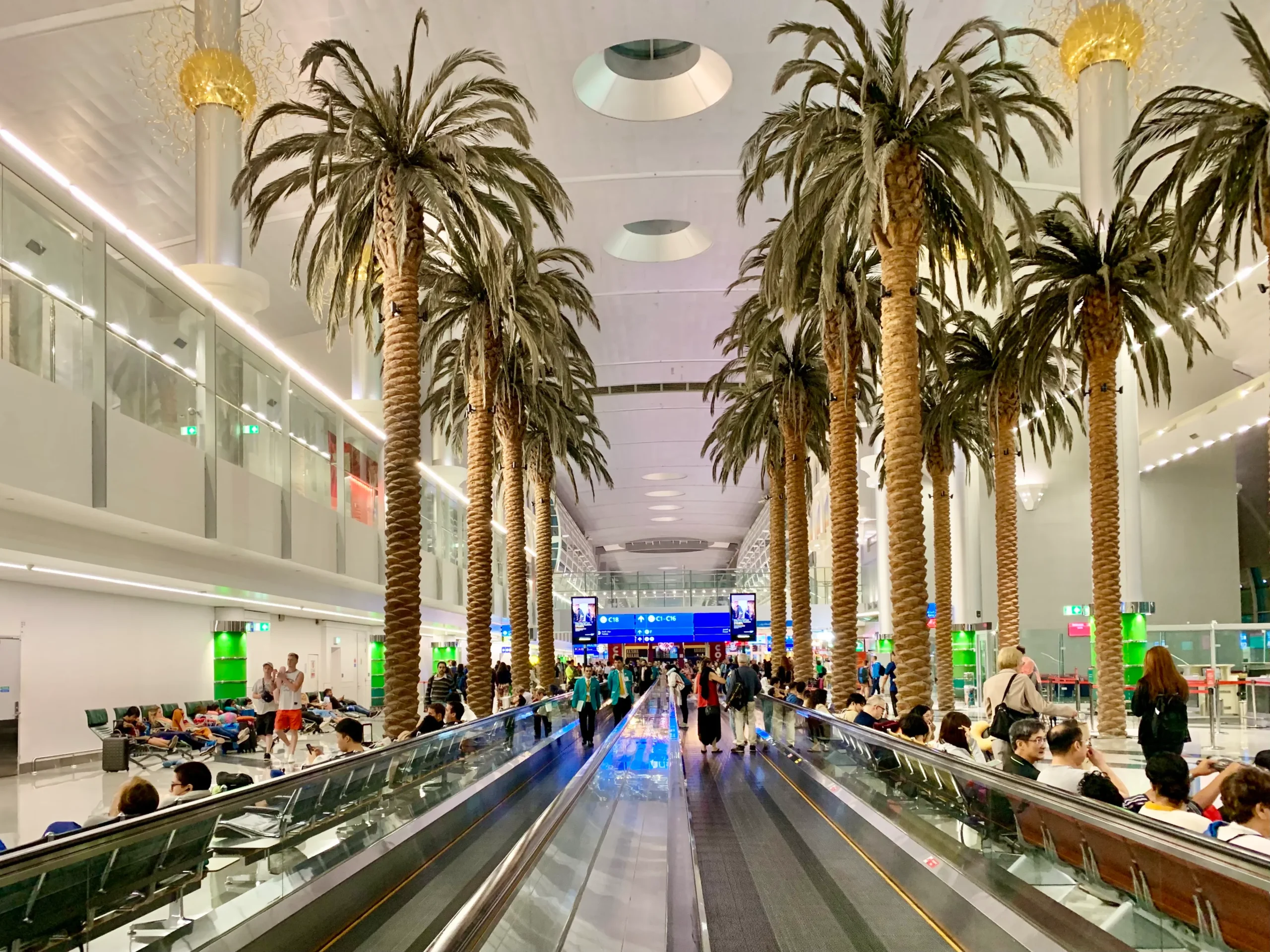
Regional and Global Comparisons
While DXB excels regionally, Istanbul Airport (IST) has seen a significant rise, jumping from 8th to 2nd place globally in terms of low-cost connectivity. Turkish Airlines dominates its operations, handling around 79% of flights.
In the regional rankings, DXB is followed by Riyadh (RUH) and Doha (DOH). Riyadh has moved up from 42nd to 31st globally, whereas Doha stays competitive with a 77% share of Qatar Airways flights.
Diversifying its connectivity allows DXB to attract an increasing number of price-sensitive travelers. This impressive performance could also bolster its position when negotiating with airlines seeking growth in the Middle East.
To facilitate further expansion, Dubai authorities plan to transition significant operations to Al Maktoum International Airport (DWC), which aims to accommodate up to 260 million passengers.
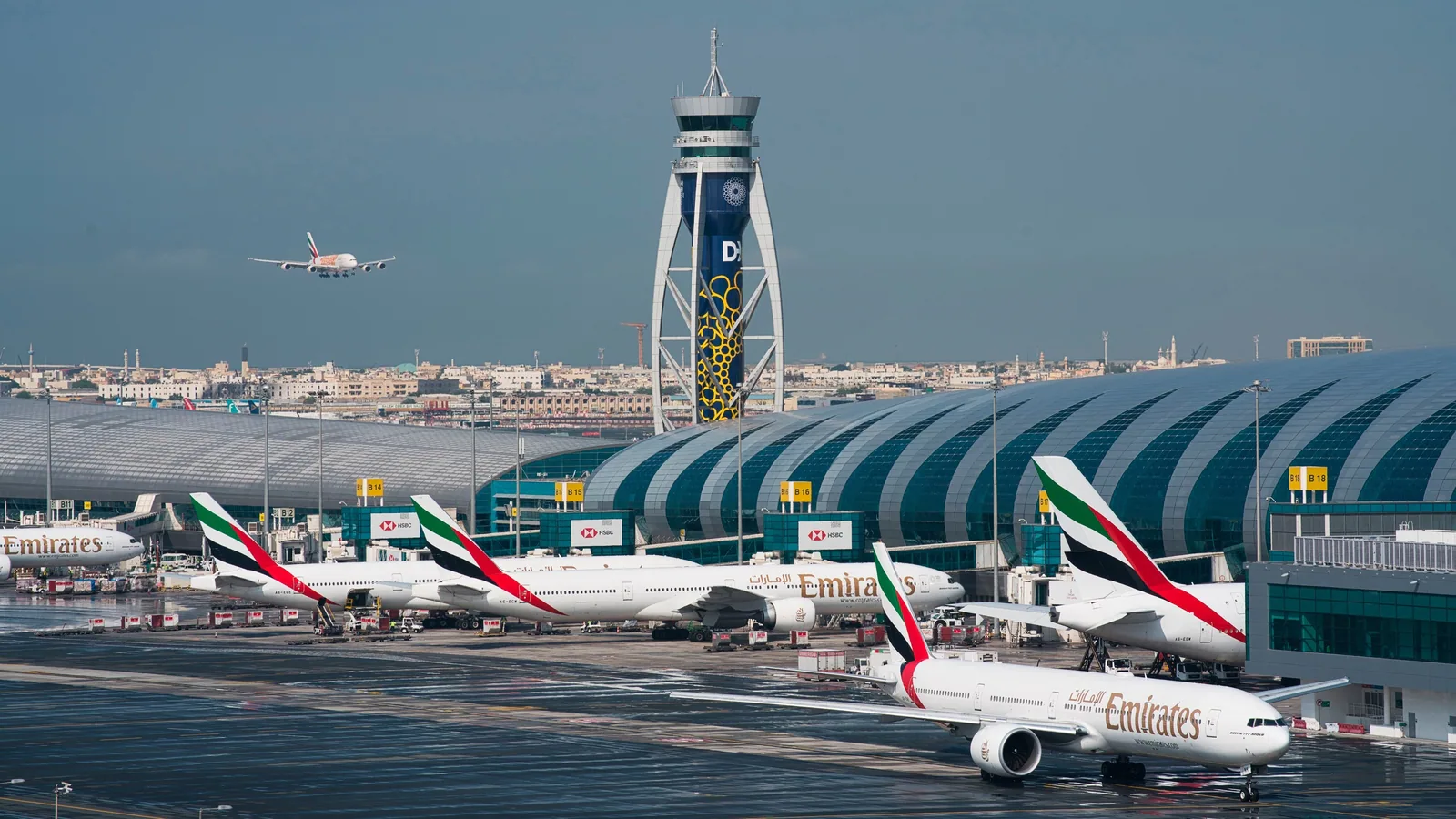
Bottom Line
DXB’s leadership in low-cost connectivity presents its own set of challenges. The airport must ensure its infrastructure, capacity, and operational efficiency align with the increasing demand.
Furthermore, navigating the balance between premium and budget services requires a well-thought-out strategy to prevent internal competition.
Overall, DXB’s dual success in both low-cost and full-service categories solidifies its reputation as a dynamic hub for aviation.
As airlines expand and travelers seek more affordable options, how will Dubai continue to innovate as a connecting point in the Middle East and beyond?