FAA Reinstates Boeing’s Certification Powers for 737 MAX and 787 Aircraft

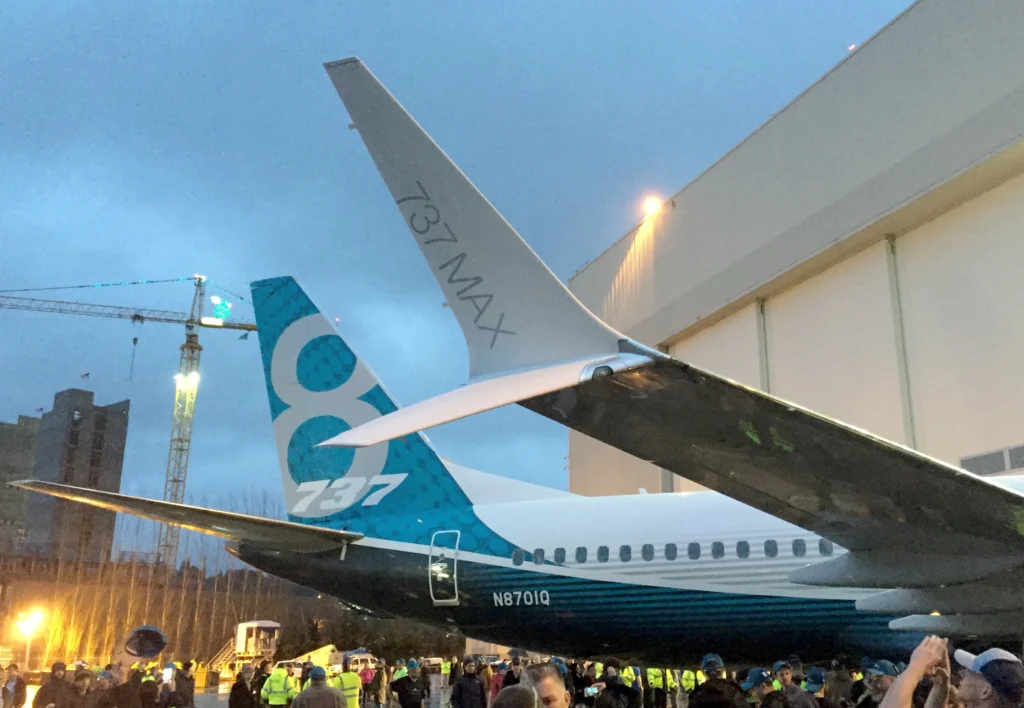
SEATTLE- The Federal Aviation Administration (FAA) is reinstating Boeing’s ability to issue airworthiness certificates for new 737 MAX aircraft and select 787 Dreamliner jets manufactured near Seattle-Tacoma International Airport (SEA).
This decision comes after several years of stringent FAA oversight following two tragic crashes involving Lion Air and Ethiopian Airlines. These incidents raised significant concerns about the division of certification responsibilities between Boeing and regulatory bodies.
FAA’s Certification Oversight and Boeing’s Role
The FAA oversees one of the most tightly regulated aviation environments globally. To streamline certification, it employs the Organization Designation Authorization (ODA) program.
With ODA, approved manufacturers can issue airworthiness certificates on the FAA’s behalf, provided they adhere to strict compliance standards.
Boeing once held ODA privileges for both the 737 MAX and 787 Dreamliner, permitting it to self-certify its aircraft before delivery. However, these privileges were revoked following significant safety concerns and production delays.
As reported, these revocations significantly changed the scrutiny placed on Boeing’s safety culture.
Why Boeing Lost Its Certification Privileges
The FAA stripped Boeing of its ODA rights for the 737 MAX after two fatal crashes in late 2018 and early 2019 that resulted in 346 fatalities, leading to a global grounding for 20 months.
During this grounding, the FAA took direct responsibility for certifying every new 737 MAX before its delivery.
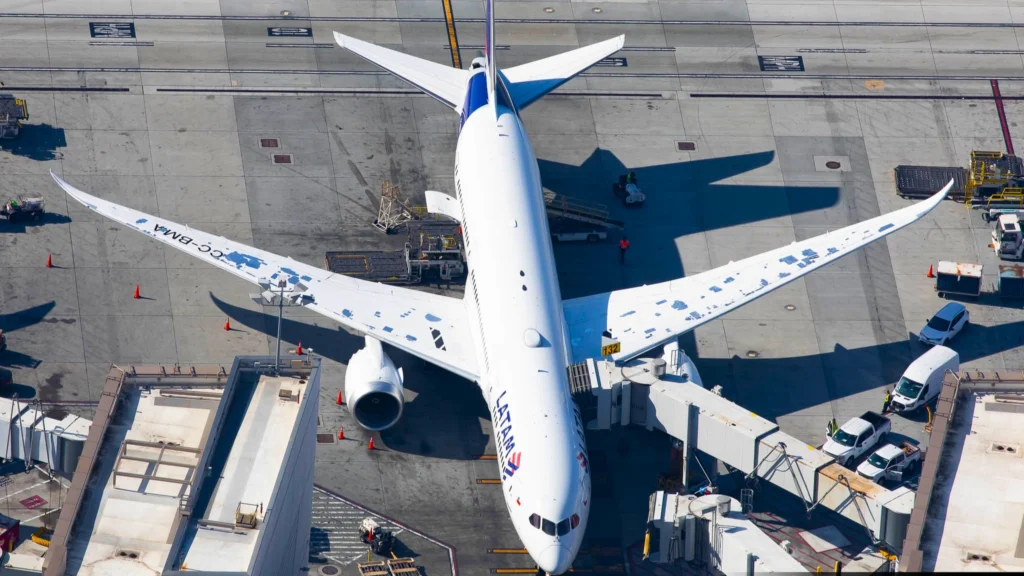
In 2022, the FAA also revoked Boeing’s certification authority for the 787 Dreamliner after whistleblowers highlighted quality control issues during its manufacturing. This required Boeing to undergo more thorough inspections and caused delays in customer deliveries.
Starting September 29, 2025, Boeing will regain limited ODA authorization for the 737 MAX and 787 Dreamliner. The FAA’s decision follows a comprehensive review of Boeing’s production quality.
This reauthorization isn’t a full transfer of responsibility. The FAA and Boeing will alternate weekly in issuing airworthiness certificates, ensuring Boeing takes on some responsibility while the FAA retains direct oversight.
Continued FAA Oversight
FAA inspectors will remain actively involved in Boeing’s production processes. During the weeks that Boeing provides certificates, the FAA will conduct oversight with a focus on:
- Monitoring key assembly stages
- Verifying adherence to approved design standards
- Evaluating Boeing’s Safety Management System
- Ensuring compliance with engineering protocols
- Reviewing Boeing’s internal safety culture
The FAA emphasizes that it is crucial for employees to voice safety concerns without fear of repercussions, which is vital for rebuilding trust in Boeing’s oversight mechanisms.
How do you feel about the balance of responsibility between Boeing and the FAA moving forward?