American Airlines Sued Following Passenger’s Fabricated Drug Arrest

FORT WORTH- A passenger flying with American Airlines (AA) from Nassau (NAS) to Miami (MIA) found herself in a troubling situation after Bahamian authorities claimed she smuggled over 100 bottles of codeine in a checked bag. The issue? She never actually checked any bags.
Alison Dominguez, who traveled round-trip from Miami (MIA) in April, only carried hand luggage. However, a bag containing drugs was tagged with her name, leading to her arrest and nearly a week spent in harsh prison conditions in the Bahamas.
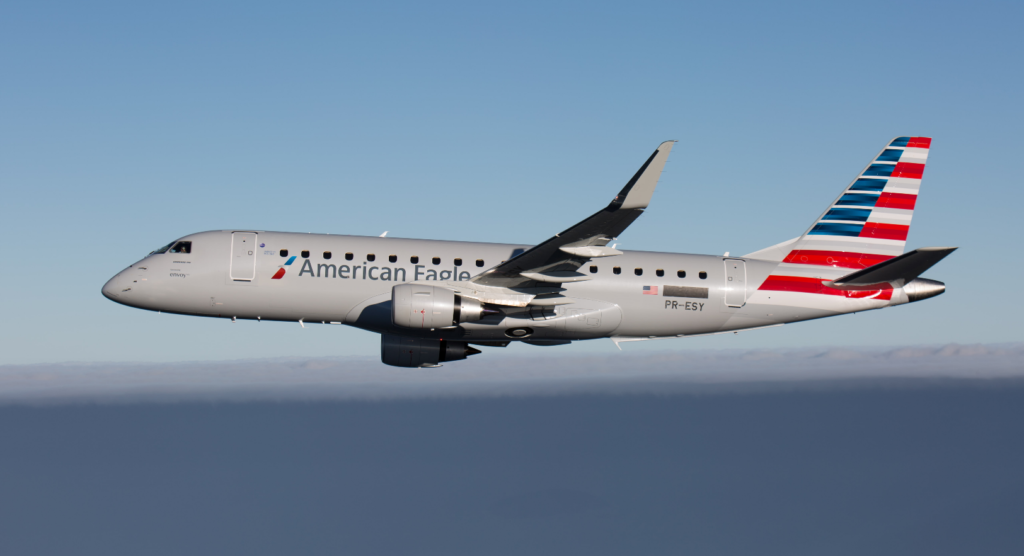
American Airlines and the False Drug Arrest
Dominguez checked in online early that day and arrived at Nassau Lynden Pindling International Airport (NAS) in the late afternoon. She cleared immigration quickly using Global Entry and TSA PreCheck.
While in the lounge waiting for her scheduled American Airlines (AA) flight to Miami (MIA), she was unexpectedly called to the gate by US Customs agents and an airline employee. They presented her with a checked bag bearing her name, which she insisted she had never seen before. To her shock, the bag contained over 100 bottles of codeine.
Even after explaining that she did not check any luggage, Dominguez was arrested and described her experience in jail as grim and difficult.
In her lawsuit, she claims that the bag had been checked in prior to her arrival at the airport, suggesting possible insider involvement.
Due to the presence of US preclearance facilities in Nassau, it is feasible that a smuggling accomplice could have accessed the bag in Miami without passing through customs.
Claims in the Lawsuit
Dominguez has filed a lawsuit against American Airlines (AA), accusing the airline of several transgressions:
- Negligence: She claims the airline failed to protect baggage and her personal information.
- Defamation: She alleges they falsely identified her as the bag’s owner.
- False imprisonment: She notes that her arrest stemmed from the airline’s actions.
- Failure to act: The lawsuit suggests the airline had prior knowledge of smuggling activities linked to its staff.
The case emphasizes the airline’s apparent negligence, as inconsistencies, such as the bag being checked before her arrival, could have exonerated Dominguez sooner.
Potential Legal Defenses
American Airlines is preparing to defend itself with potential arguments, including:
- Montreal Convention preemption: The airline may claim that any injuries occurred during an “accident” related to embarkation, limiting remedies under international aviation law.
- Airline Deregulation Act preemption: They might argue that baggage handling counts as a “service,” thereby protecting them from state law claims.
- Statutory immunity: The airline may assert a protective stance for reporting suspected criminal behavior, provided the report was not materially false.
- No vicarious liability: They could state that the alleged smuggling actions of their employee fell outside their job responsibilities.
In contrast, Dominguez argues that her arrest and defamation occurred after embarkation and insists that both fall outside the definition of an “accident of carriage.” She emphasizes that negligence was directly responsible for her detention.
Broader Implications for Airlines and Passengers
This situation raises essential concerns regarding app-based check-in procedures, where baggage can be fraudulently added under a passenger’s name without their consent.
Moreover, it prompts a reevaluation of airline accountability in instances of insider smuggling, passenger data protection, and the level of cooperation between airlines and foreign authorities.
With disputes potentially arising over jurisdiction—given the incident occurred in Nassau, the lawsuit is filed in Florida, and American Airlines is headquartered in Texas—the outcome could establish significant legal precedents on airline liability related to insider misconduct and false reporting.
What are your thoughts on how airlines handle baggage security in such cases?