Delta Airbus A330neo Emergency Landing Due to Cockpit Fumes

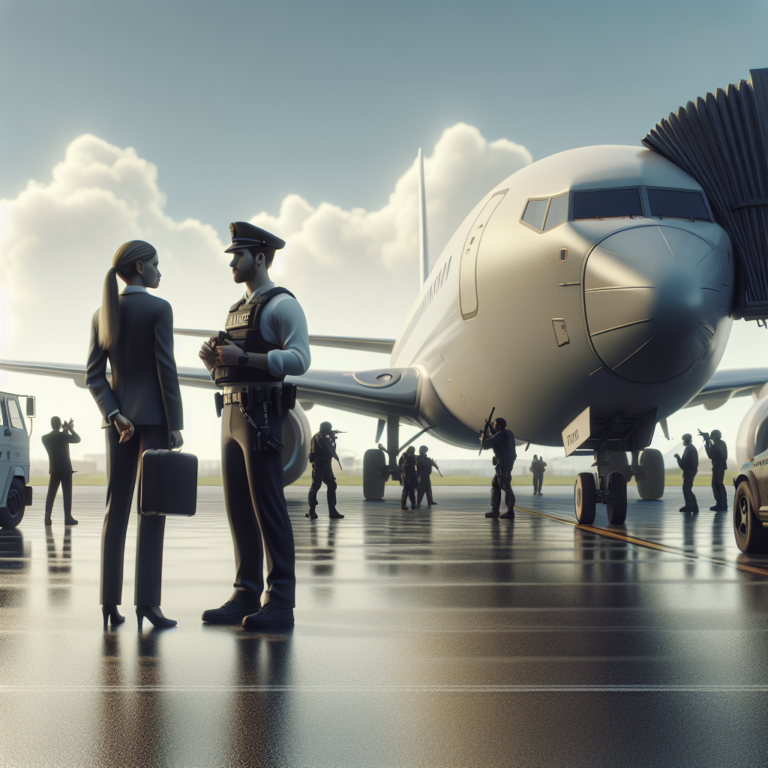
A Delta Air Lines flight traveling from London to Boston had to make an emergency return to Heathrow Airport (LHR) after cockpit crew reported fumes. The plane safely landed about one hour and 35 minutes after takeoff.
This incident involved flight DL59 on Sunday, October 5, 2025. The aircraft was an Airbus A330-900neo with the registration N411DX, adorned with a special ‘Team USA’ livery. At the time of the incident, there were 259 passengers onboard.
According to FlightRadar24, the flight took off from London Heathrow at 10:00 local time, embarking on a seven-hour journey to Boston Logan International Airport (BOS). By 10:38, while over the west coast of Cornwall, UK, the aircraft had reached an initial cruising altitude of 36,000 feet (11,100 meters).
As reported by travel site PYOK, fumes began to fill the cockpit shortly after the plane began its oceanic crossing. The pilots decided to turn back immediately and sought assistance from air traffic controllers. Many passengers were unaware of the reason for the return, as the crew communicated an “unidentified mechanical issue” to them.
In such situations, standard protocols require cockpit crews to wear oxygen masks to prevent being overwhelmed by fumes during the emergency return.
The aircraft performed a 180-degree maneuver and retraced its course back to Heathrow. It ultimately landed on runway 27L at 10:35 local time, surrounded by emergency services. Following inspections and clearance from airport fire officials, passengers were safely disembarked and transported back to the terminal via bus.
Typically, aircraft scheduled for long flights will ‘dump’ fuel to meet the maximum landing weight for a safe arrival. This helps prevent damage to the airframe and landing gear. However, due to the urgency of this situation, the crew opted for a priority landing without fuel dumping.
A spokesperson for Delta issued a statement, confirming that Delta flight 59 returned safely to London-Heathrow due to reports of smoke. They assured that the flight would continue as scheduled the next day and that their customer team was actively assisting with rebooking and accommodations. Delta emphasized that the safety of passengers and crew is their top priority.
As of now, the aircraft N411DX is being returned empty to Boston as flight DL9909.
Links to Auxiliary Power Unit Issues?
This incident occurred shortly after reports emerged that Delta was in the process of replacing hundreds of auxiliary power units (APUs) across its Airbus A320 fleet. The airline is taking these steps to prevent ‘contaminated air events.’ An article from the Wall Street Journal revealed that Delta had been developing a replacement program for some of its single-aisle Airbus aircraft since 2022.
The APU is a smaller engine that provides power for various systems while the aircraft is parked. These systems include lighting, air conditioning, and engine start assistance. Located in the aircraft’s tail, APUs are generally turned off once the main engines are operational.
Advocates have pointed out that the design of the Airbus A320 series may increase the risk of hazardous cabin air due to pollutants from the APU, particularly older units that are more prone to causing fume events. The airline hopes that replacing these older units with newer models will reduce this risk.
However, this APU replacement initiative might not fully eliminate the risk of bleed air contamination, which is common in most aircraft. This method supplies cabin air by ‘bleeding’ some air from the engines into the air conditioning system. As this air can be tainted with oils and lubricants from the engines, potential contamination remains a concern.
While fume events are generally not linked to long-term health issues for passengers or crew, airlines have faced various lawsuits from individuals claiming adverse effects from such incidents. These claimants allege that fume events have led to “permanent and serious injury,” although airlines consistently refute these claims, asserting no causal connection.
What are your thoughts on the measures airlines take to ensure passenger safety?