Air France Lawsuit in New York: Unpacking the Cyberattack Incident

NEW YORK- Air France (AF) is under legal scrutiny in New York due to a class action lawsuit resulting from a cyberattack that potentially exposed sensitive personal information of passengers. The plaintiffs, Ethan Allison and Arya Soofiani, allege that the airline did not effectively prevent a breach that was foreseeable.
This cyber incident involved a breach linked to a software vendor, which may have compromised the personal data of customers who recently interacted with Air France or KLM Royal Dutch Airlines (KL, AMS).
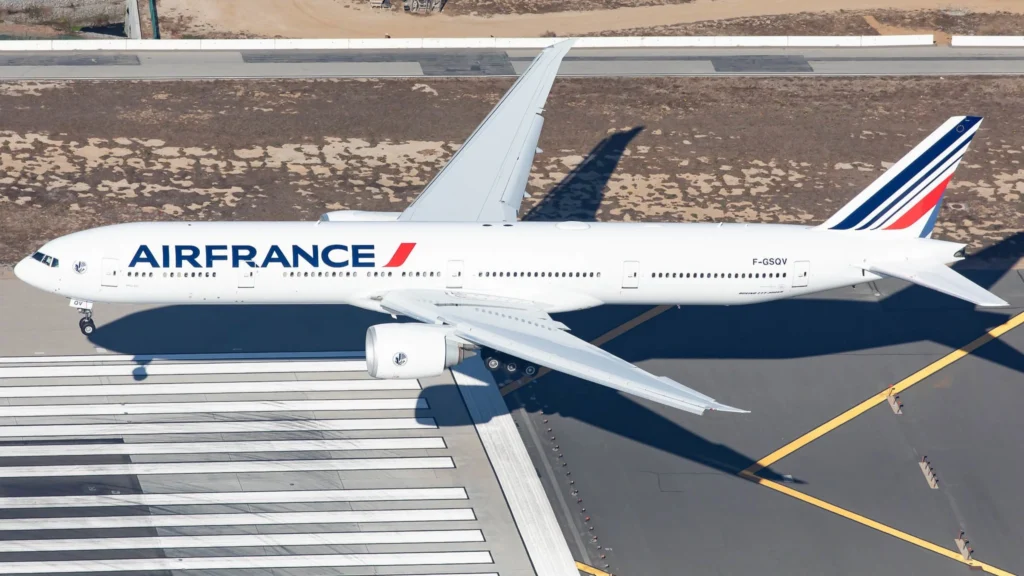
Lawsuit Challenges Air France Over Data Breach
In August, the Air France–KLM Group acknowledged that customer data had been compromised after a hack involving a third-party vendor. The exploited system, believed to originate from Salesforce, exposed significant customer details, including names, contact information, frequent flyer statuses, and subject lines of support emails.
The lawsuit, filed in the Southern District of New York (Case No. 1:25-cv-07634), accuses Air France of negligence for lacking proper cybersecurity measures and sufficient staff training to prevent such intrusions.
According to the plaintiffs, the airline’s response was inadequate in protecting passengers from potential identity theft. The lawsuit asserts that Air France should have anticipated such risks, given the recent cyberattacks on major players in the aviation industry.
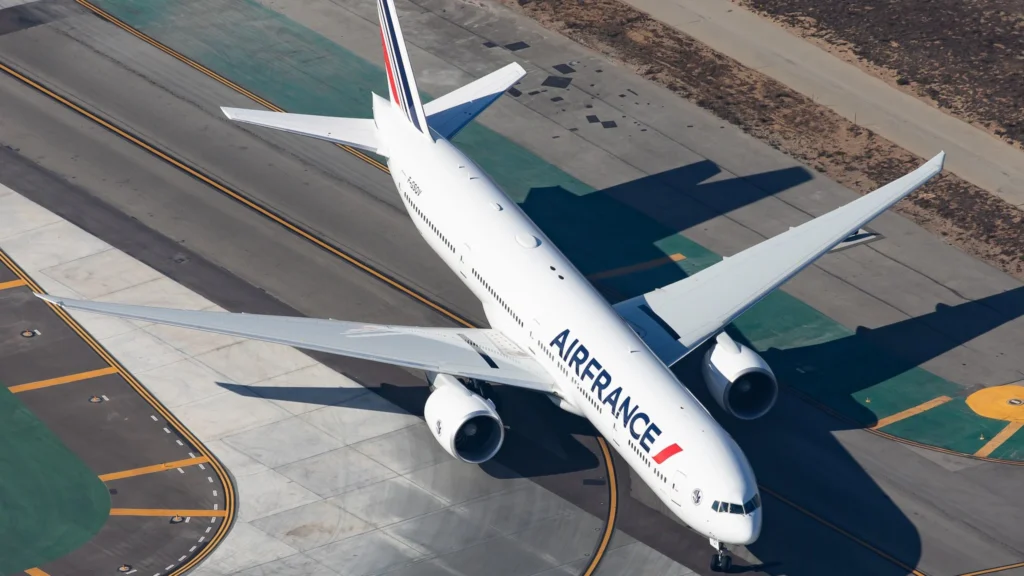
Timeline and Vendor Involvement
Although Air France reported the breach in August, it appears the incident occurred weeks earlier. Salesforce, the vendor involved, also experienced a cyberattack in early July, affecting various global brands including Cartier and Louis Vuitton.
Fortunately, neither Air France nor Qantas, which also uses Salesforce, is believed to have had credit card or passport information accessed. Yet, experts warn that even minimal data exposure can be leveraged for phishing and other social engineering attacks.
KLM (KL, AMS) has already alerted passengers about potential phishing scams that could arise from this breach. Victims may receive fraudulent emails mimicking official airline notifications, enticing them to click on harmful links or divulge personal details.
Clicking on these links can lead to malware installation or redirect users to counterfeit websites designed to collect sensitive information. This situation underscores the increasing vulnerabilities that the aviation sector faces.
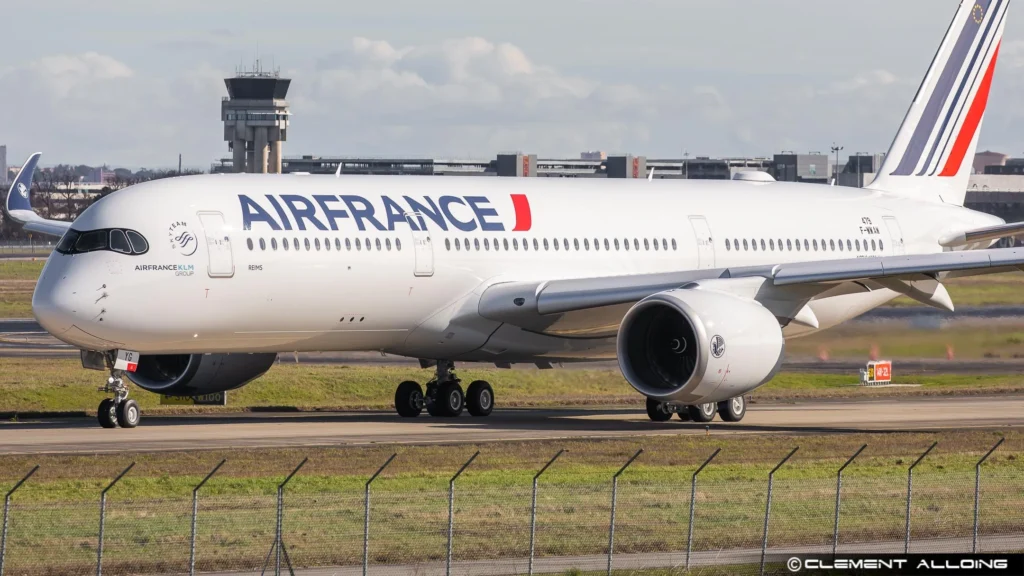
Air France’s Approach to the Situation
In light of the breach, Air France–KLM is providing affected passengers with complimentary credit monitoring services for several months. However, the lawsuit contends that this measure does not adequately address the long-term risks potential victims could face.
The plaintiffs stress that the airline needs to take more responsibility for protecting customer data and enhancing its cybersecurity training. As the case moves forward, it highlights a pressing challenge within the aviation industry—ensuring robust data protection as reliance on third-party digital systems grows.
What are your thoughts on how airlines should enhance their cybersecurity measures to protect passenger data better?