Airbus and Boeing Delay Plans for New Commercial Aircraft Development

PRAGUE- Airbus and Boeing have confirmed that they will not be introducing next-generation narrowbody aircraft in the immediate future. Existing models, such as the Boeing 737 MAX and Airbus A320neo series, will continue to be the foundation of the single-aisle market for the foreseeable years.
During the ISTAT conference held in Prague, leaders from both companies highlighted their commitment to certifications and stable production rather than developing new models. They mentioned challenges like debt, supply chain issues, and technological constraints as significant factors influencing their decisions.
Airbus and Boeing: No New Aircraft in Sight
Boeing’s marketing chief, Darren Hulst, stated that a replacement for the 737 is “many years away.”
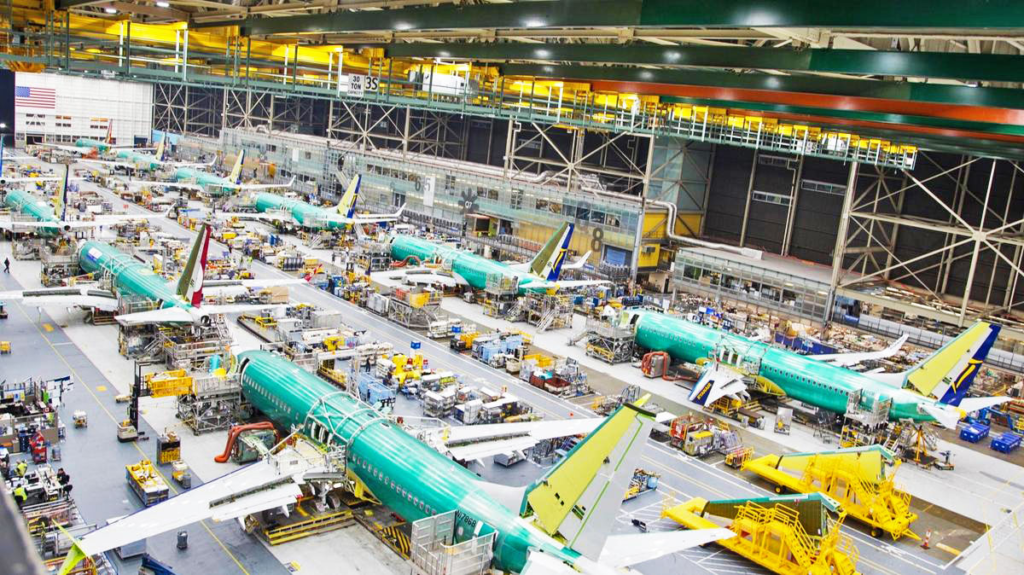
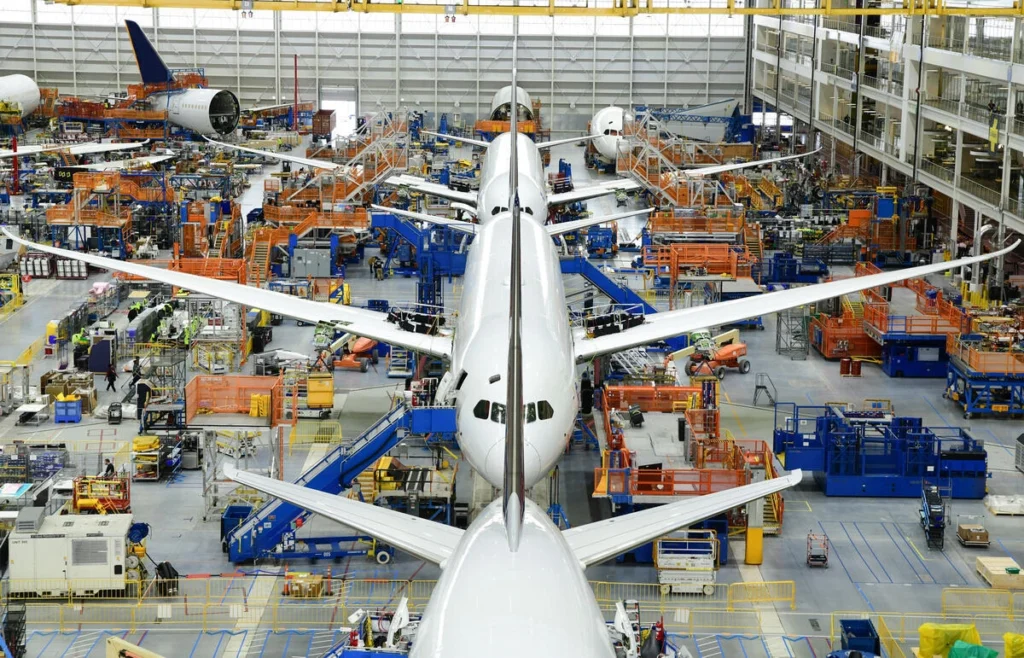
The company’s primary focus is on certifying the remaining variants of the 737 MAX, alongside advancements in the 777X passenger and 777XF freighter models. These efforts aim to stabilize Boeing’s financial situation, currently encumbered by about $50 billion in debt.
According to Bloomberg, the certification for the 777X might experience delays until 2027, a timeline that some analysts deem overly optimistic. Although Boeing is in talks with Rolls-Royce to explore new propulsion technologies, no new aircraft initiative is planned.
Similarly, Airbus shares a cautious view. François Collet, the Asset Management Director at Airbus, noted that any new aircraft models would need to achieve at least a 25% fuel efficiency improvement to justify the development costs—a challenging target given the current engine technology limitations.
Focusing on Current Models Over New Designs
Both Airbus and Boeing are prioritizing the optimization of existing aircraft rather than undertaking new design initiatives.
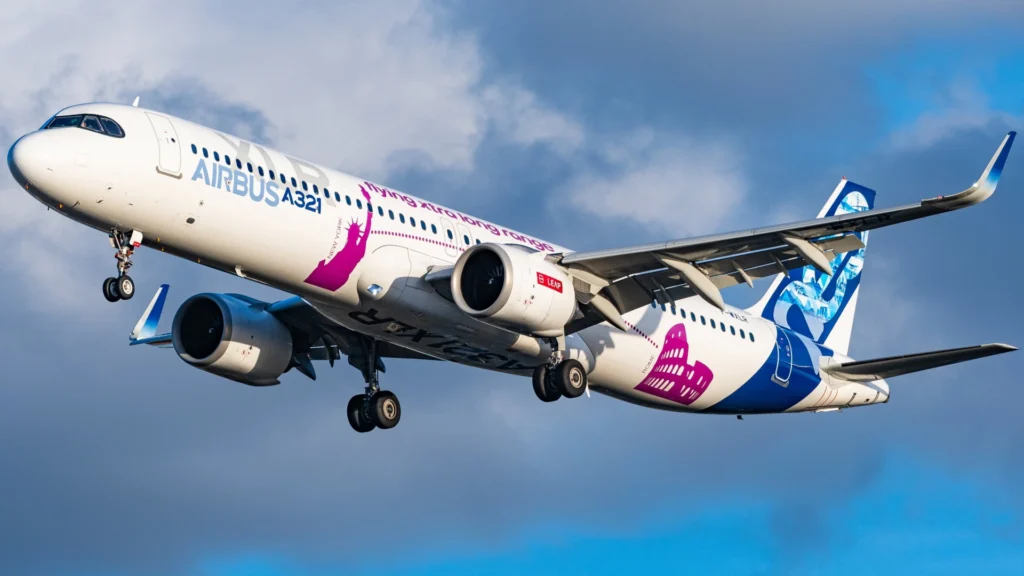
Airbus’s approach centers on enhancing the A320neo family, particularly the A321XLR variant, renowned for its extended range in the narrowbody sector. Boeing continues to concentrate on ensuring dependable production and performance of the 737 MAX series while advancing the 777X project.
This decision to postpone new narrowbody development effectively pauses the rivalry between these aerospace titans.
Airlines and leasing companies can anticipate that the A320neo and 737 MAX models will dominate the market well into the 2030s. This should help sustain high aircraft values and lease rates because of limited availability.
Effects on the Aerospace Sector
This cautious strategy fosters stability throughout the aviation industry. Aircraft values are projected to remain elevated due to limited production slots.
Leasing companies benefit from strong residual values and quick placement opportunities, while engine manufacturers prioritize reliable performance and maintenance costs over new experimental technologies.
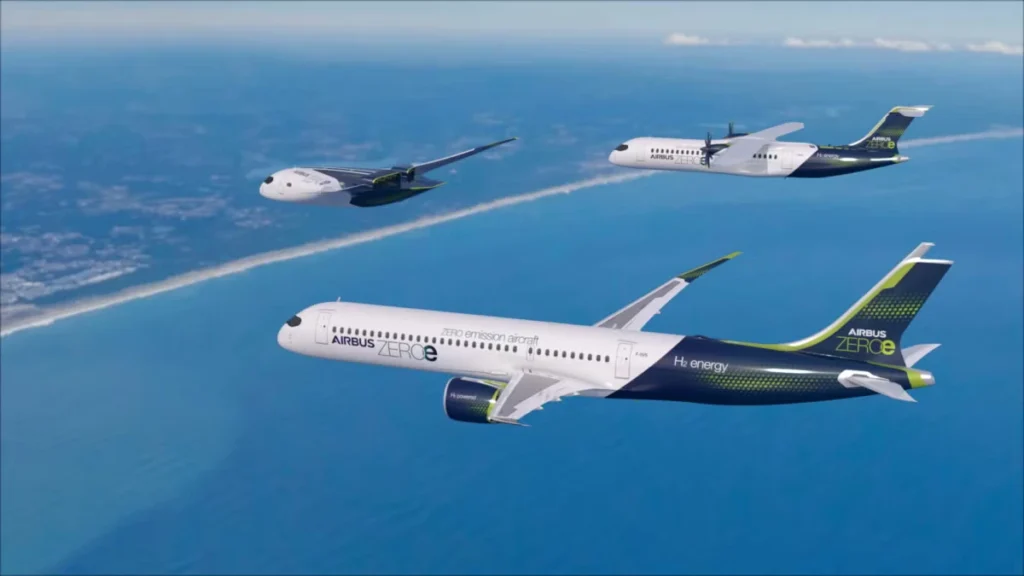
Nevertheless, this approach can impede decarbonization efforts. Incremental enhancements in fuel efficiency among current aircraft delay more significant emissions reductions that might come from entirely new designs. Airlines are likely to continue pursuing minor efficiency improvements in the short term.
What Lies Ahead?
The upcoming decade is expected to herald incremental changes in aircraft design rather than groundbreaking advancements. Various challenges, including supply chain barriers and certification delays, contribute to a gradual transition toward next-generation models.
Boeing and Airbus appear poised to wait for significant advancements in efficiency and sustainable propulsion before embarking on their next narrowbody endeavors.
Ultimately, the commercial aviation market is currently maintaining a status quo. While the technology for true next-generation aircraft largely exists in theory, neither company is ready to invest the resources necessary until both market dynamics and technological innovations align.