Top 5 Chinese International Markets by Seat Capacity for 2025

As China approaches its National Day Golden Week, the aviation sector is gearing up for one of its most hectic times. Carriers like Air China, China Eastern, and China Southern are fine-tuning their schedules and allocating resources to accommodate the growing travel demands.
This year, Golden Week spans from September 29 to October 10, serving as a vital indicator of travel trends in China. Insights from Cirium’s data reveal how adjustments in capacity, preferred destinations, and airport operations are influencing the next chapter in Chinese aviation.
High Domestic Flight Capacity
Domestic routes dominate the aviation landscape, representing over 90% of scheduled seat capacity during Golden Week 2025. This is a notable increase from 87.7% in 2019, demonstrating a lasting interest in internal tourism and regional mobility.
Airlines are concentrated on domestic travel, which is supported by enhanced intercity connections, high-frequency short-haul routes, and improved airport infrastructure. China’s extensive domestic network allows travelers ample choice among business, leisure, and family travel options across provinces.
While international travel is on the rise, domestic capacity recorded a 4% increase year-on-year from 2024, highlighting sustained growth. Domestic flights remain the most reliable segment for airlines, bolstering cash flow and maximizing fleet usage.
Robust Growth in International Seat Capacity
While domestic flights are still the backbone of Golden Week traffic, international seat capacity is experiencing faster growth.
Comparing 2024 to 2025, international capacity has increased by about 10%, more than double the pace of domestic flights. This trend indicates a growing interest in outbound travel.
Factors such as heightened consumer confidence, improved visa processes in select countries, and increased frequency of flights on specific routes contribute to this surge. Although international traffic hasn’t returned to 2019 levels, the recovery trajectory is encouraging.
Demand for travel has become more regionally focused, with short and medium-haul destinations becoming more appealing than long-haul options due to geopolitical tensions and economic uncertainties.

Top 5 International Markets by Seat Capacity
| Rank | Country/Region | YoY Capacity Change (%) | Share of Intl Seats (%) |
|---|---|---|---|
| 1 | Japan | +17.6% | ~18.5% |
| 2 | South Korea | +9.3% (est.) | ~12.4% |
| 3 | Hong Kong SAR | +5.1% (est.) | ~8.3% |
| 4 | Thailand | -48% (vs. 2019) | ~6.1% |
| 5 | Singapore | +7.3% | ~4.7% |
The five most sought-after destinations—Japan, South Korea, Hong Kong, Thailand, and Singapore—account for about 50% of China’s international seat capacity.
Japan leads the way with a 17.6% capacity increase from the previous year, benefiting from its proximity and cultural ties to China, as well as streamlined visa processes.
Following closely is South Korea, which offers vibrant tourism, shopping attractions, and short travel times, thus catering well to eastern Chinese cities.
Meanwhile, Southeast Asia is experiencing divergent results. Thailand has dropped from first place in 2019 to fourth, with its seat capacity declining significantly, likely due to economic changes and growing competition.
Conversely, Vietnam is booming, with a remarkable growth of 53% since 2024, while Malaysia and Singapore report increases of 12.6% and 7.3%, respectively.
Interestingly, the United States, previously ranked sixth, has disappeared from the top ten entirely, possibly due to increased fares and diplomatic hurdles.
Southeast Asia Market Dynamics
| Country | Capacity Trend | Growth/Decline Notes |
|---|---|---|
| Vietnam | +53% since 2024 | Fastest-growing SE Asia market |
| Malaysia | +12.6% | Consistent year-on-year growth |
| Singapore | +7.3% | Solid recovery and stable demand |
| Thailand | −50% since 2019 | Capacity halved from peak levels |
Leading International Hub in China
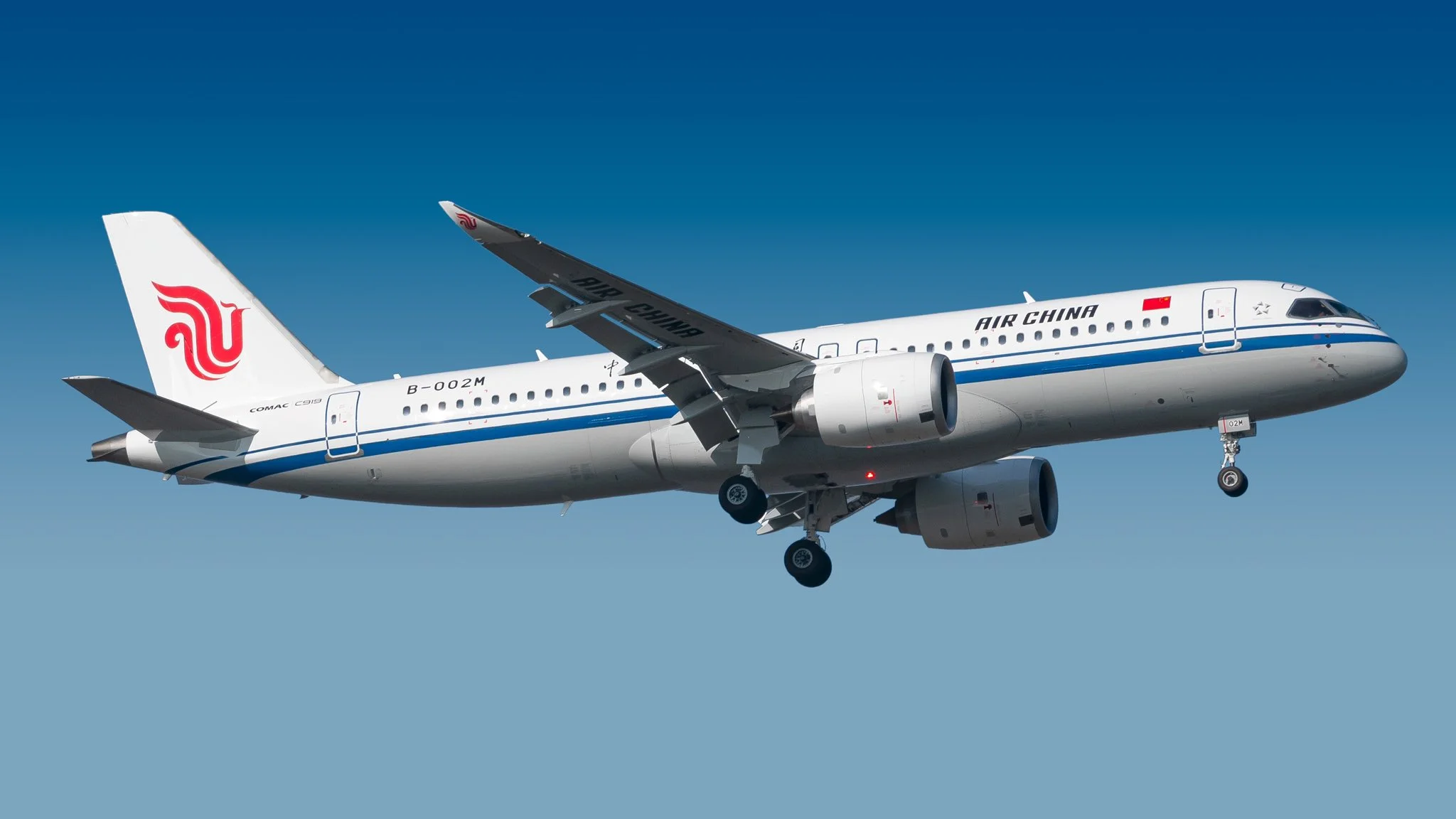
Shanghai Pudong International Airport (PVG) maintains its status as China’s primary international hub, reporting a 10.4% year-on-year rise in international seat capacity, reinforcing its importance in the travel landscape.
Beijing Capital (PEK) and Guangzhou Baiyun (CAN) serve as secondary hubs, providing both intercontinental and regional service. While these locations contribute to diverse operations, PVG remains a key player in China’s outbound travel scene.
During Golden Week 2025, seven of the ten busiest international routes originate from PVG, with the PVG–Osaka Kansai route showing a 35% increase from 2019, making it the most frequented international flight.
Similarly, the PVG–Tokyo Narita route has experienced a 14% growth compared to pre-COVID levels, solidifying Japan’s appeal and East Asia’s strategic role in China’s outbound travel.
Emerging Secondary Destinations
Beyond major hubs, secondary city pairs are gaining traction. Cities like Hanoi and Ho Chi Minh City have rapidly ascended the rankings.
Previously ranked 35th and 25th in 2019, they now stand at 11th and 13th place, driven by increased leisure travel options and expanding airline partnerships.
This growth pattern highlights a preference for less crowded travel paths and a rising interest in adventure tourism and cost-effective international trips.
What This Means for Chinese Airlines
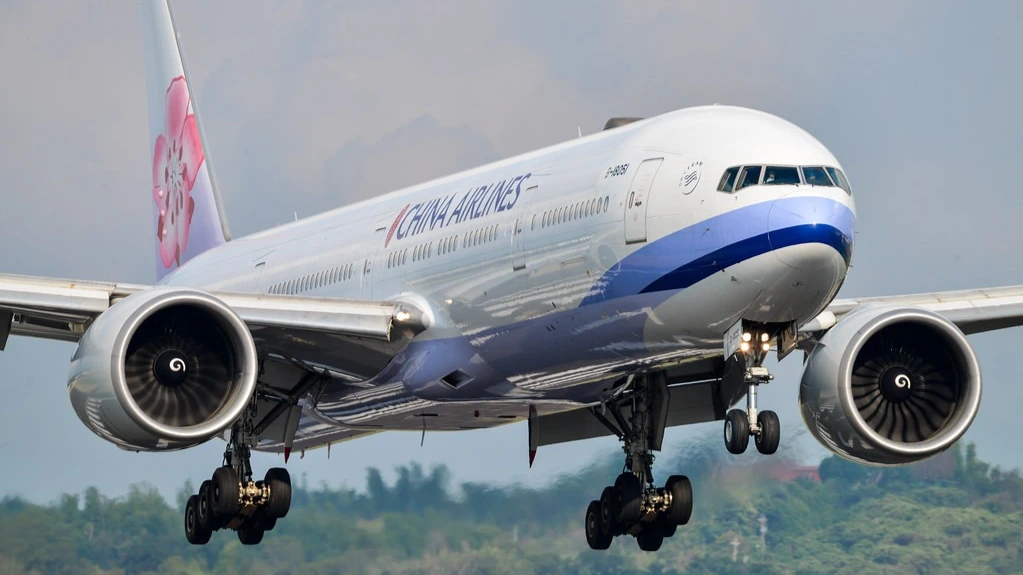
Airlines are increasing the use of wide-body aircraft on key international routes while transferring narrow-body planes to cater to short-haul needs in Southeast Asia and East Asia.
Planning and infrastructure enhancements at airports like PVG and PEK are critical. These hubs must adapt to fluctuating demand, enabling quick turnaround times and efficient passenger processing as travel numbers rise.
Stakeholders should also keep an eye on bilateral agreements and regional diplomacy. Policy developments in 2025 and onward will significantly affect which destinations thrive during forthcoming Golden Weeks.
Conclusion
While domestic routes continue to lead in seat capacity, the rapid rise of international travel—especially to Japan, South Korea, and emerging Southeast Asian destinations—signals a shifting demand landscape.
The emergence of hubs like Shanghai Pudong (PVG) and changes in destination rankings underscore the necessity for data-driven planning, market flexibility, and responsive infrastructure.
As Golden Week 2025 illustrates, China’s aviation landscape is not just getting busier; it’s becoming more strategically intricate as well.