
Michael O’Leary’s Forecast Fuels Growing EasyJet Takeover Speculation

LONDON— Michael O’Leary, the CEO of Ryanair, casually predicted that easyJet might eventually be absorbed by larger airlines in Europe. Initially, this statement was dismissed as typical O’Leary banter.
However, recent weeks have seen growing speculation about easyJet’s fate, prompting investors to ponder whether the airline can fend off potential takeover offers.
Rumors connecting shipping behemoth MSC to a possible bid led to a surge in easyJet’s stock price, although both parties have since refuted any formal negotiations.
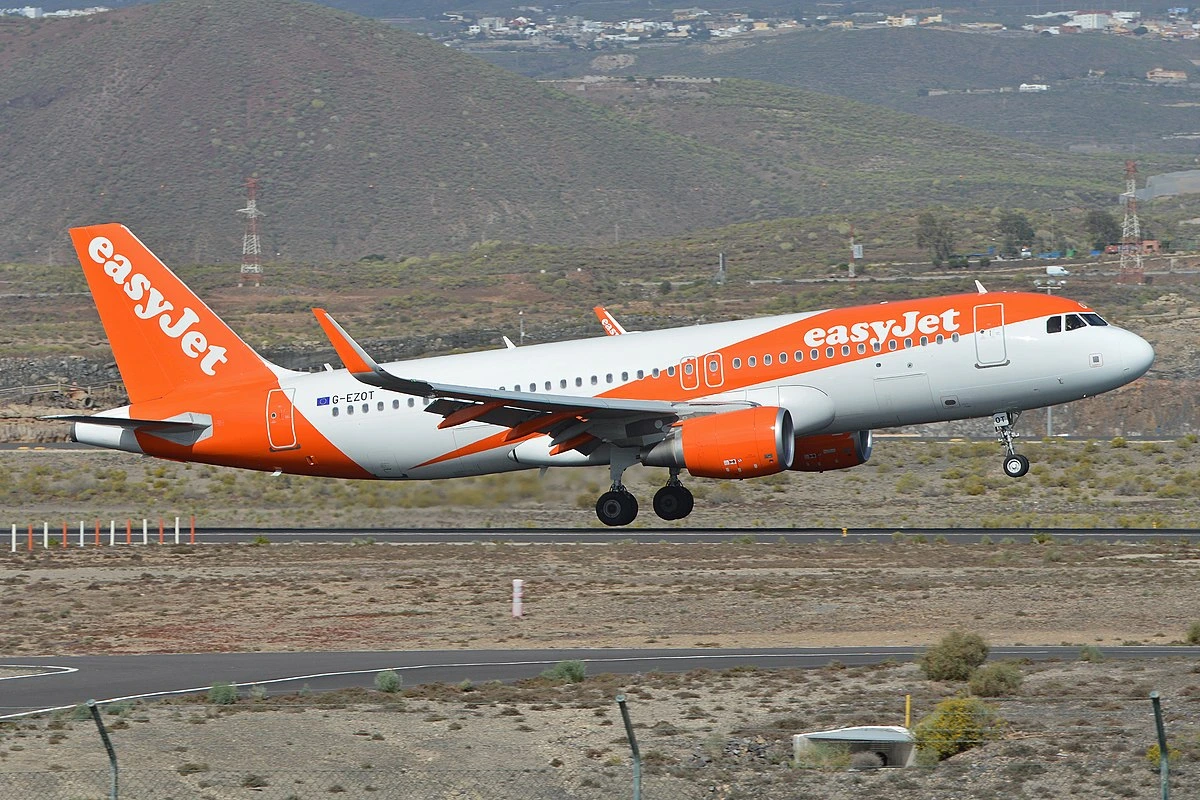
easyJet Takeover Speculations Gain Ground
Since the pandemic, easyJet has shown a steady recovery, though it has lagged behind rivals in the low-cost sector. As Ryanair expands its fleet to nearly double that of easyJet’s, Wizz Air has also outpaced easyJet in several Eastern European markets.
Analysts claim easyJet’s landing slots at major airports like London Gatwick and Paris Charles de Gaulle are among its most valuable assets. Ironically, these are the valuable assets O’Leary hinted would be divided among competitors like British Airways and Air France-KLM.
Despite a robust summer travel season, easyJet grapples with challenges such as elevated fuel prices, rising labor costs, and delays in aircraft deliveries. The airline’s previously cautious growth strategy—once deemed wise—now runs the risk of overshadowing it by more aggressive competitors.
While its financial position remains stable, investor confidence appears shaken, leaving many doubtful that slow, steady growth will elevate the stock price back to its former heights seen before 2020.
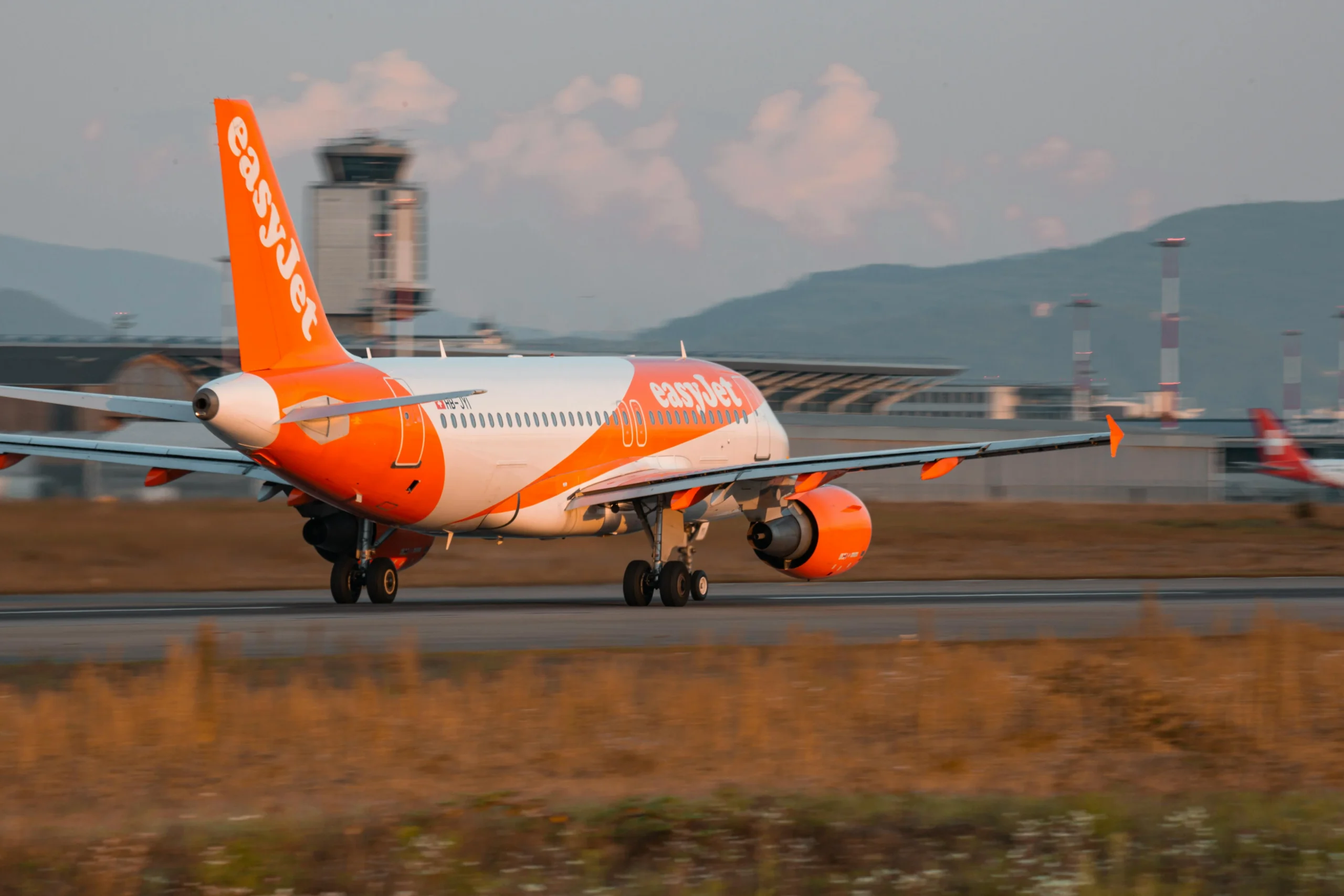
Trend Towards Industry Consolidation
The airline industry in Europe is heading into a new phase of consolidation. For example, Lufthansa is acquiring ITA Airways, IAG is pursuing Air Europa, and Air France-KLM is expressing interest in potential regional partners.
Experts suggest that easyJet’s networks connecting Gatwick, Paris, and Geneva enhance its strategic appeal to larger groups wanting to expand without facing regulatory challenges.
Currently, easyJet’s management maintains that the airline will remain independent. CEO Johan Lundgren is emphasizing cost management and focusing on core markets, referencing strong passenger demand and increased ancillary revenues.
O’Leary’s comments seem increasingly relevant, indicating that major carriers in Europe are eyeing expansions, and easyJet’s low market valuation makes it a target for potential buyers.
Traders in both London and Geneva have pointed out that easyJet’s depressed valuation, with a market cap around £3.7 billion, is significantly lower than its pre-pandemic status, indicating that the airline’s position is becoming precarious.

Final Thoughts
Michael O’Leary’s early warnings about easyJet’s vulnerabilities are starting to resonate. The reality of consolidation in the European airline sector is becoming increasingly evident.
As profitability returns to the aviation industry, easyJet’s forthcoming challenges might not solely stem from competition but also from the looming possibility of ownership changes.
Would you like to share your thoughts on the potential for easyJet’s future in the evolving airline landscape?