DGCA Directs Air India to Conduct Fresh Inspections of Boeing 787 RAT Systems

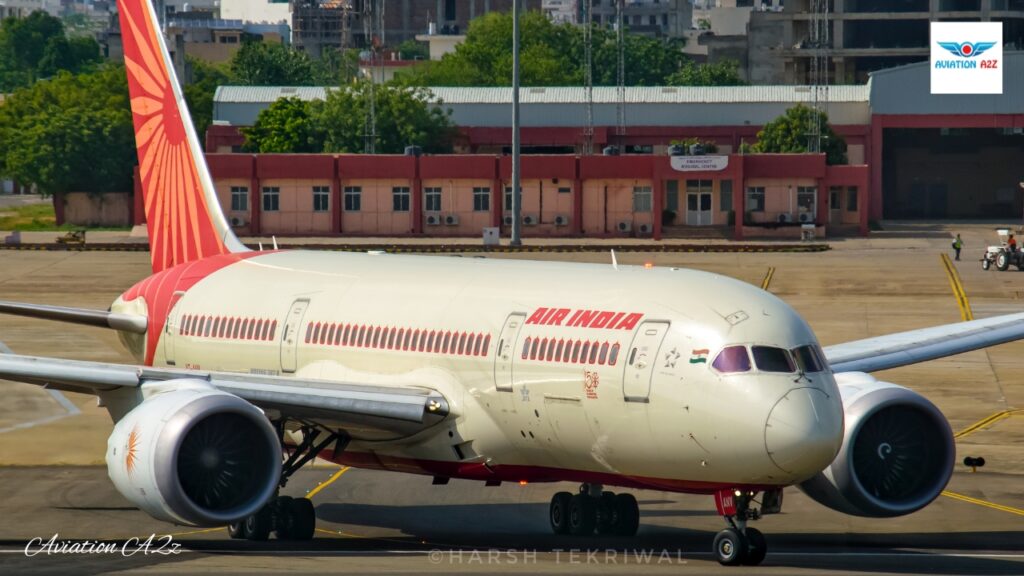
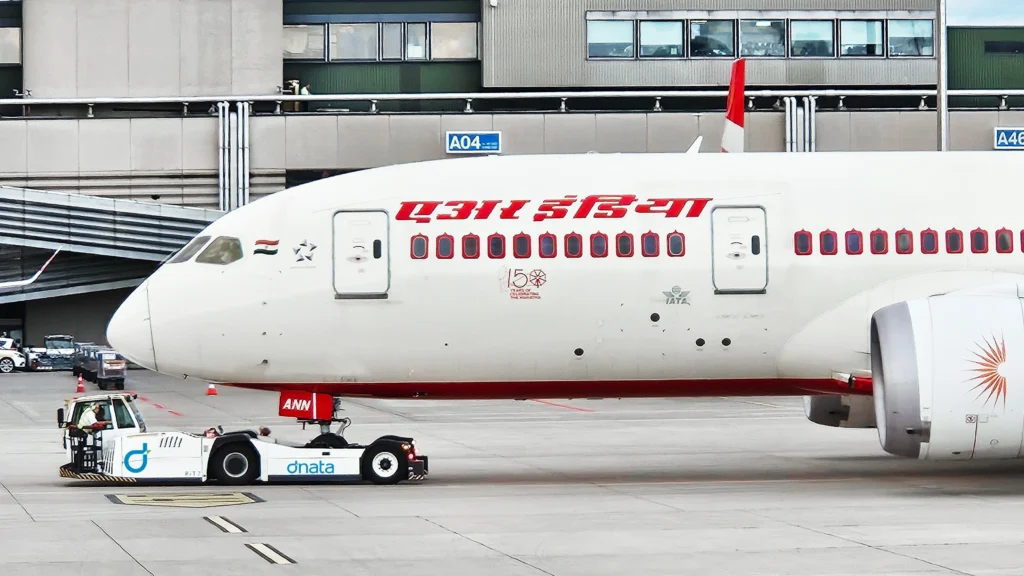
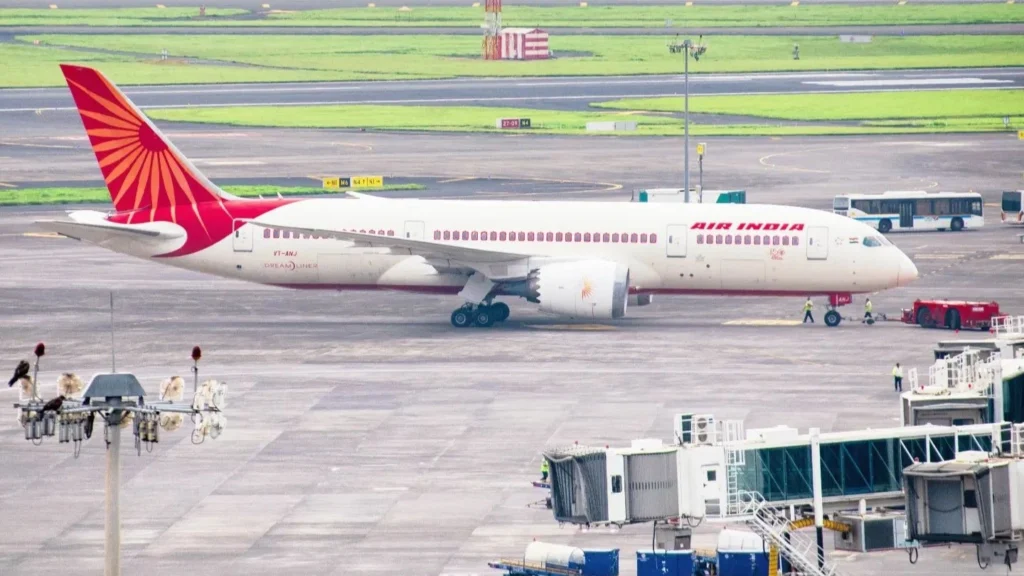
DELHI- India’s aviation authority, the DGCA, has mandated that Air India reinspect the Ram Air Turbine (RAT) system for correct stowage across all Boeing 787 aircraft that recently had their Power Conditioning Module (PCM) replaced.
This directive stems from two recent incidents involving Air India 787s—one on the Amritsar (ATQ)–Birmingham (BHX) route and another from Vienna (VIE)–Delhi (DEL). These events have triggered increased scrutiny of aircraft systems and a request for comprehensive feedback from Boeing (BA) regarding preventive measures.
DGCA Orders 787 RAT Reinspection
The Directorate General of Civil Aviation (DGCA) has required Air India to reinspect the RAT setups on all Boeing 787 aircraft that recently had their PCM replaced. This move aims to ensure compliance with safety regulations and to eliminate any systemic issues after a pair of significant technical events.
On October 4, the RAT was unexpectedly deployed during flight AI-117 from Amritsar to Birmingham just prior to landing. Subsequently, on October 9, flight AI-154 from Vienna to Delhi faced autopilot and multiple system failures, necessitating diversion to Dubai (DXB) for safety reasons.
The RAT serves as an emergency power mechanism that activates automatically in the event of complete electrical or hydraulic failure, drawing power from the airflow. Its uncommanded activation during regular operations signals potential inconsistencies within the aircraft’s electrical system.
DGCA officials stated that Air India needs to confirm the correct stowage of the RAT and conduct a thorough review of maintenance procedures, especially the “D Check” tasks related to the recent PCM modifications.
Currently, investigations are ongoing to ascertain the causes of these events and to evaluate the reliability of recent maintenance practices.
Boeing Asked for Detailed Action Plan
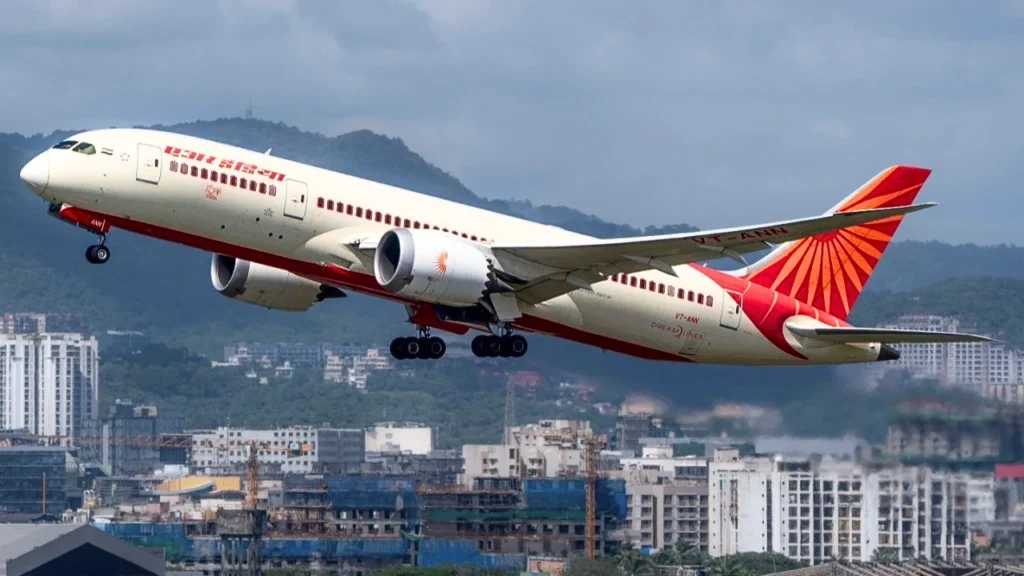
The DGCA has formally requested a comprehensive report from Boeing regarding the unexpected RAT deployment, including details of any similar incidents affecting the Boeing 787 fleet worldwide. Additionally, they have asked for details on any Service Difficulty Reports submitted by other operators following PCM module updates.
Boeing’s engineering team is being called upon to propose specific preventive measures and maintenance recommendations to prevent future occurrences.
In the meantime, the DGCA confirmed that Boeing-recommended checks were performed on the affected Air India aircraft after the incident on October 4, revealing no discrepancies, allowing the aircraft to return to Delhi the following day.
Pilots’ Federation Seeks Grounding and Audit
In the aftermath of the two incidents, the Federation of Indian Pilots (FIP) has addressed a letter to the Civil Aviation Minister, advocating for the temporary grounding of Air India’s entire 787 fleet while a special safety audit is conducted.
The FIP highlighted multiple system failures—including issues with autopilot, flight directors, and flight control systems degradation—during the Vienna-to-Delhi flight, which led pilots to manually control the aircraft at night and divert to Dubai for safety.
However, Air India has refuted claims of an electrical failure during the diversion, noting it was due to a “technical issue.”
Technical Focus: PCM and RAT System
The Power Conditioning Module (PCM) is crucial for managing and distributing power to various aircraft systems. Any malfunction or installation errors could affect multiple subsystems, including autopilot functionality and RAT deployment.
The DGCA’s directive underscores the necessity of examining recent PCM upgrades, reviewing Air India’s maintenance records, and ensuring compliance with Boeing’s procedural guidelines.
This investigation aims to determine whether the RAT deployments were isolated incidents or indicative of a broader electrical integration issue.
What are your thoughts on the recent incidents involving Air India’s Boeing 787 aircraft?