Pentagon Approves F/A-XX Fighter: A New Contender Against Chinese Jets

WASHINGTON, D.C.– The U.S. Department of Defense is moving forward with the Navy’s next-generation F/A-XX program, which aims to develop a sixth-generation stealth fighter to succeed the aging Boeing F/A-18E/F Super Hornet fleet. Reports suggest that Defense Secretary Lloyd Austin has approved this initiative, with contract awards expected in the near future.
The F/A-XX will be the U.S. Navy’s first sixth-generation carrier-based aircraft, designed to meet the growing challenges posed by advanced threats like China’s J-36 and J-50 fighters. Major defense contractors Boeing and Northrop Grumman are in the final stages of the bidding process, with a decision anticipated shortly.
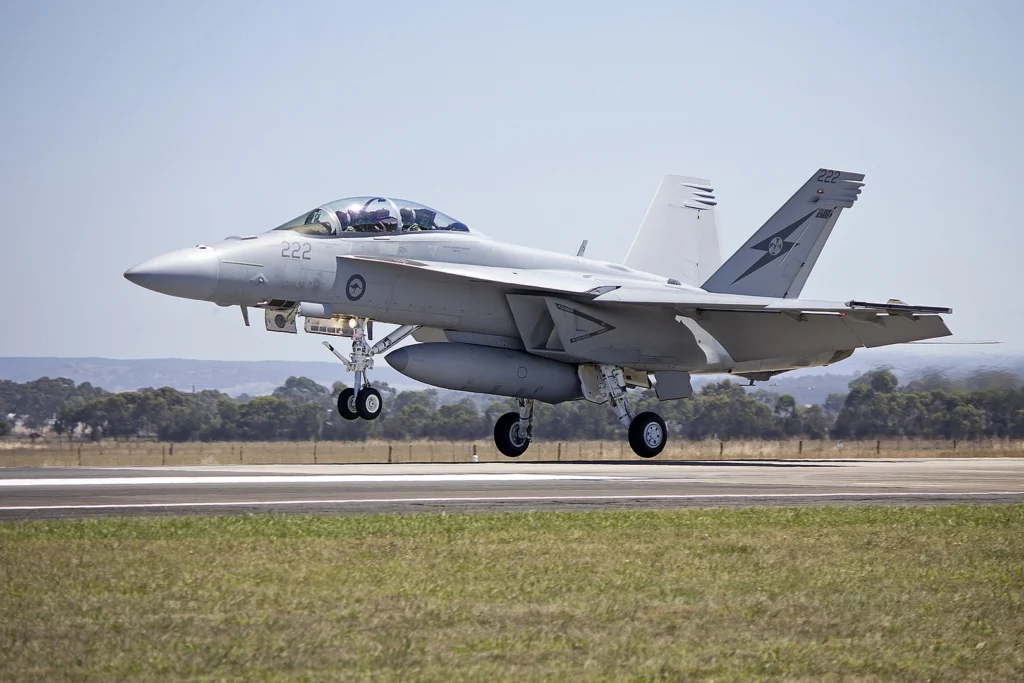
Advancements in the F/A-XX Program
The F/A-XX initiative represents the Navy’s most ambitious fighter program since the Super Hornet’s introduction. It is being developed within the Navy’s Next Generation Air Dominance (NGAD) framework, meant to replace the F/A-18E/F Super Hornet, which has been in service since the late 1990s.
With Lockheed Martin exiting the competition in March 2025, Boeing and Northrop Grumman remain the primary contenders, showcasing their proposed designs. Although there have been budgetary hurdles between the Pentagon and Congress, sources indicate a decision is nearing.
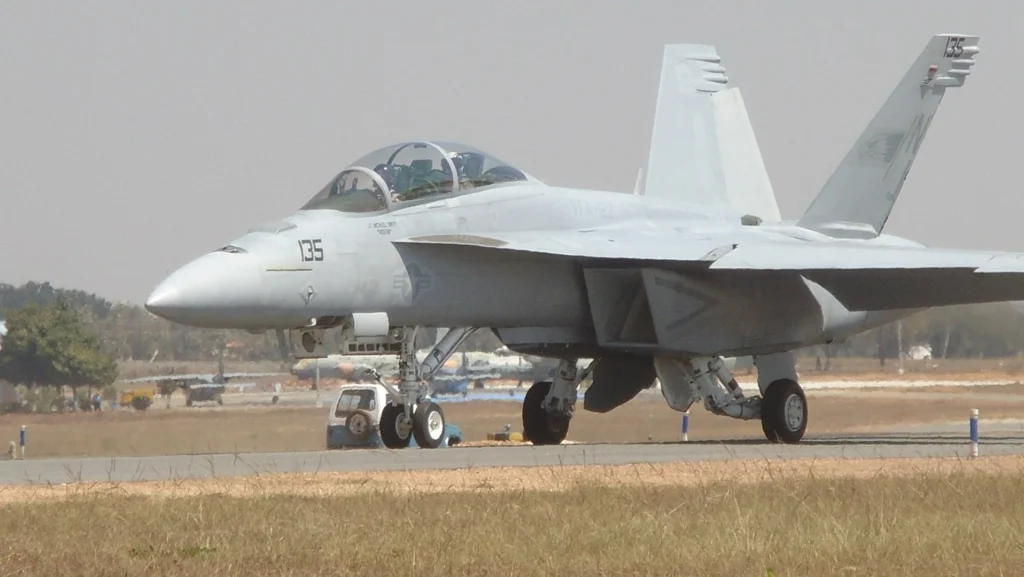
The Department of Defense had initially sought $74 million for the minimal development stage, but internal disagreements have delayed plans. The Pentagon’s Fiscal Year 2026 budget provides some development funds but lacks complete procurement funding.
The Navy must balance its priorities alongside the U.S. Air Force’s F-47 stealth fighter, which recently received full funding. Defense officials have cautioned that managing both sixth-generation programs simultaneously may strain resources.
Despite these concerns, the House Armed Services Committee voted against reallocating $500 million from the F/A-XX program, reflecting its vital role in maintaining naval air superiority.
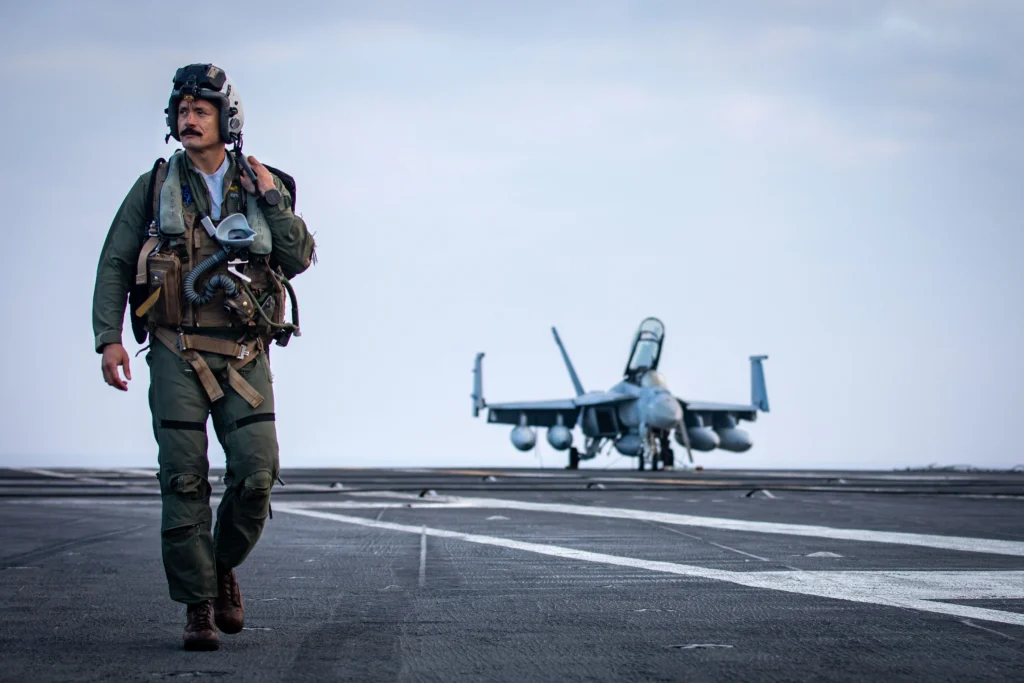
Strategic Considerations Against China
The urgency surrounding the F/A-XX program is largely driven by China’s rapid military advancements. China is currently testing two sixth-generation aircraft, the J-36 and J-50, with one expected to support carrier operations. Additionally, the production of China’s fifth-generation J-35 stealth fighter marks a significant improvement in the People’s Liberation Army Navy’s capabilities.
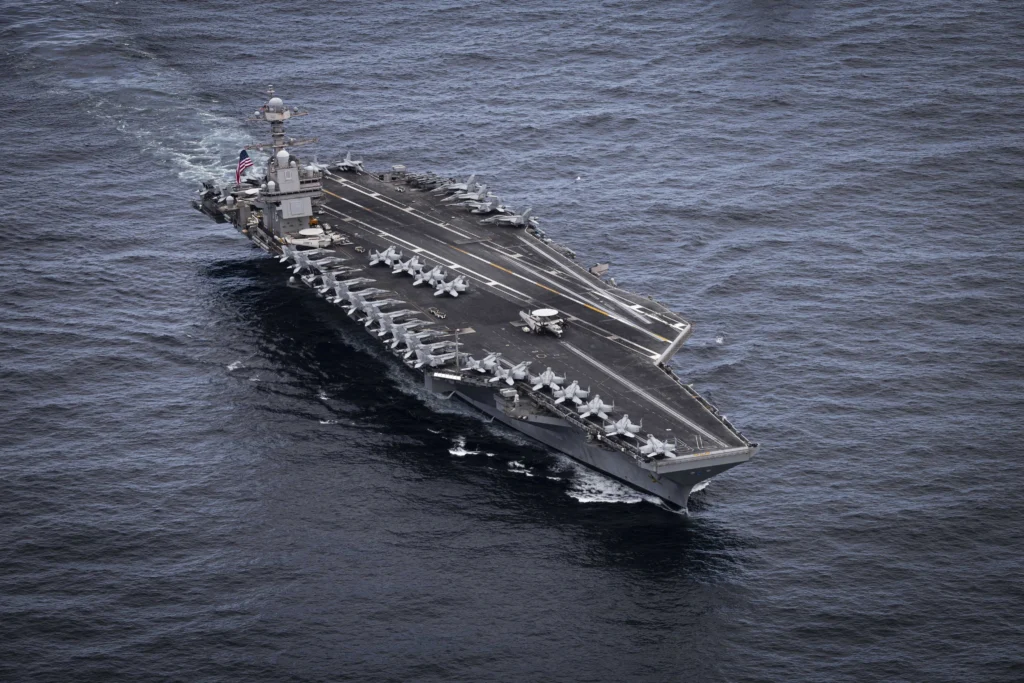
As China’s Fujian aircraft carrier approaches operational readiness, pressure mounts on the U.S. Navy to modernize its aerial capabilities. The F/A-XX’s stealth, extended range, and compatibility with uncrewed combat systems are crucial for sustaining U.S. dominance in the Indo-Pacific region.
Rep. Ken Calvert, who chairs the House Appropriations Subcommittee on Defense, stressed that delaying the F/A-XX could leave the Navy “dangerously outmatched” in any potential conflict with China. He emphasized the importance of bolstering the defense industrial base to ensure continuous production of advanced aircraft.
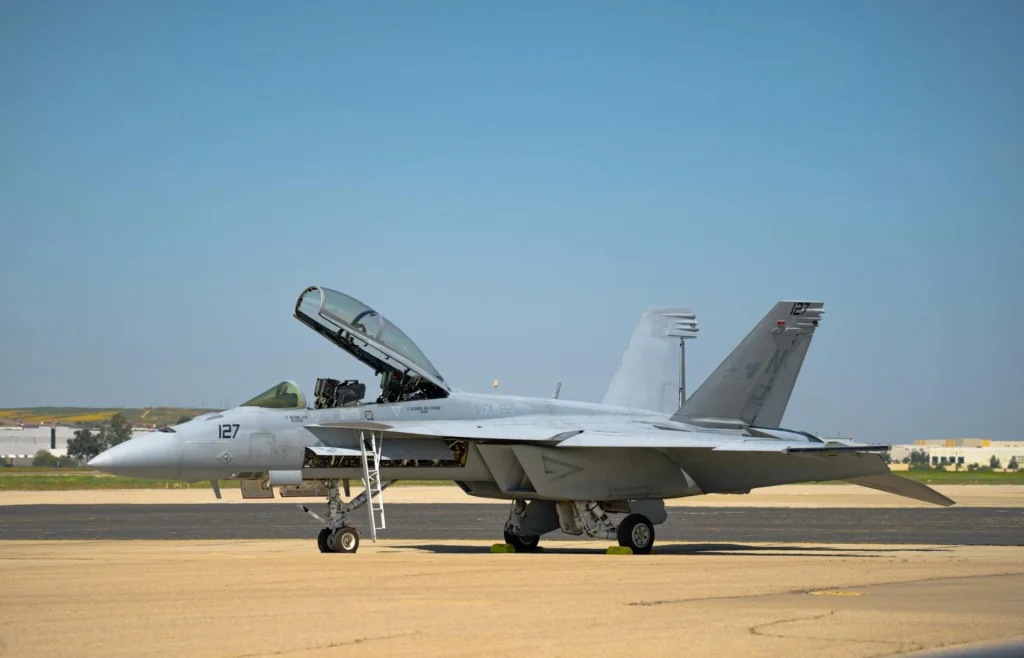
Advanced Capabilities of the F/A-XX
The upcoming F/A-XX is expected to surpass the capabilities of current U.S. Navy fighters, boasting a 25% extended range compared to the F-35C. This expanded range will allow operations farther into contested territories, mitigating reliance on vulnerable bases.
Functioning as a “quarterback” for accompanying drones, the F/A-XX will coordinate electronic warfare, reconnaissance, and strike missions. Enhanced sensors and advanced networking will ensure seamless integration with surface ships and carrier strike groups.
This situational awareness will improve decision-making processes and targeting in fluid combat scenarios. The aircraft’s stealth features, combined with its superior range, will provide U.S. carrier strike groups the ability to project power across immense oceanic spaces while evading China’s expanding anti-access/area denial systems.
Funding and Future Prospects
The Senate Armed Services Committee recently allocated $750 million to expedite the F/A-XX’s development, with the Navy including an additional $1.4 billion in its Unfunded Priorities List for 2025. While specific production timelines are classified, officials anticipate the fighter’s entry into service during the early 2030s, aligning with the retirement of the Super Hornet fleet.
The F/A-XX represents not just a replacement aircraft but a crucial element in ensuring the U.S. Navy maintains its superiority in the skies for the coming decade.
What are your thoughts on the role of the F/A-XX in the future of naval aviation?