Passenger Denied Boarding on American Airlines Despite Winning $1,050 Bid

FORT WORTH- An incident involving American Airlines (AA) has led to significant frustration among travelers. A mother faced a tough situation stemming from her $1,050 bid to change flights, which ended in disarray.
This event started at Chicago O’Hare International Airport (ORD) and has drawn attention to the airline’s contentious voluntary bidding system.
The passenger’s experience, shared extensively online, highlights how the bidding process can occasionally fail, leaving passengers stranded and without the promised compensation despite receiving confirmations.
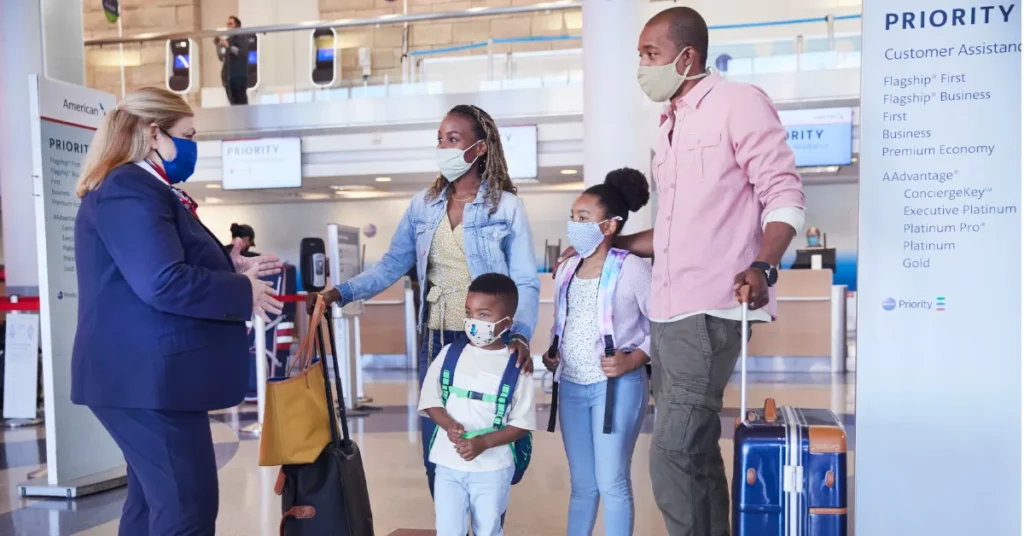
American Airlines Passenger Denied Boarding
American Airlines regularly overbooks flights, a legally accepted yet controversial practice in the airline industry. When flights reach full capacity, the airline looks for volunteers who might give up their seats in exchange for compensation.
With the online system in place, passengers can designate their desired bid amounts and preferences, simplifying the rebooking process, at least in theory.
However, as reported, the execution of this system often falls short. One mother traveling with her child placed a $525 bid per seat for a later flight and received confirmation messages indicating her bids were accepted.
Yet, when she arrived at Chicago O’Hare (ORD), gate agents denied the arrangement and reallocated her seats to other travelers.
Despite the accepted bid and her timely arrival, she was informed that her compensation would not be honored.
She later expressed feeling “defeated and ignored,” emphasizing poor communication and accountability within the airline’s processes.
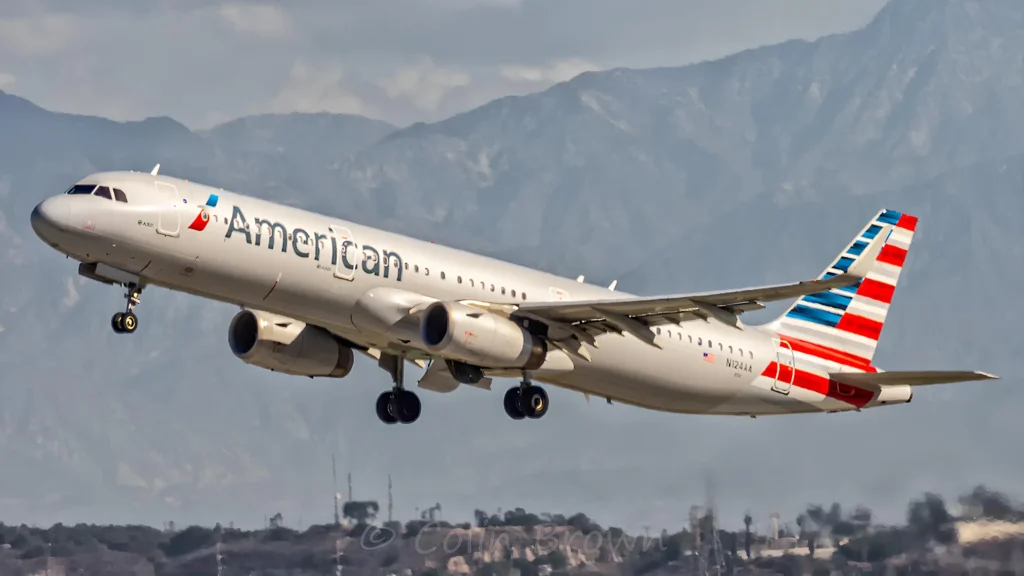
Passenger Experience
This incident sheds light on broader issues of trust and transparency regarding customer service. Many passengers have reported difficulties with American Airlines’ bidding system, which often yields inconsistent outcomes.
In some instances, travelers receive different seats on the same flight instead of a proper rebooking, undermining the advantage of volunteering.
After several unsuccessful attempts to connect with customer support, the traveler eventually garnered acknowledgment from AA’s relations department about the mishandling of her compensation.
Still, she felt that the system seemed “designed to make you give up.”
Why Experts Urge Travelers to Be Cautious
Travel experts and frequent flyers recommend caution for those engaging in voluntary bid programs. Although these systems aim to reduce involuntary bumping, they often lack consistent enforcement.
According to data from the US Department of Transportation (DOT), American Airlines ranked second-worst for involuntary passenger bumping between April and June 2025, impacting 4,257 passengers.
In contrast, Delta Air Lines reported no involuntary bumps during the same period, while United Airlines noted only 62. Frontier Airlines performed worse than American Airlines in this regard.
These statistics illustrate that overselling continues to pose risks for passengers, particularly when airlines fail to uphold clear compensation procedures.

Lessons for Travelers
Passengers should verify all bid-related interactions at the gate and request written proof of accepted compensation before vacating their seats.
Keeping records such as screenshots or email confirmations can bolster any future claims in case of disputes.
While American Airlines’ bidding system might seem convenient in theory, this case illustrates how unclear procedures and inadequate staff training can quickly transform a voluntary offer into an unwanted hassle.
What are your thoughts on airline bidding systems? Have you had any experiences with them?