Emergency Landing of Air New Zealand Flight in Sydney: What Happened

Incident Overview
WELLINGTON- Passengers on Air New Zealand (NZ) flight NZ221 faced an unexpected situation mid-flight when they were alerted to prepare for an emergency landing due to a mechanical issue during their journey to Sydney (SYD).
The aircraft successfully landed at Sydney Airport just before 9 a.m., where emergency services were on standby. The airline’s Chief Safety and Risk Officer confirmed that the plane touched down safely and will be carefully inspected before being allowed back into service.

Details of the Emergency Landing
The flight took off from Christchurch (CHC) early on October 24, 2025, and was approaching Sydney when the crew detected a possible hydraulic failure.
Approximately 20 minutes before landing, the passengers were informed of the need for an emergency descent. Once on the ground, the aircraft was directed to the apron where fire and rescue teams were positioned.
After landing, the plane remained on the tarmac for around two hours while engineers assessed the situation before allowing passengers to exit.
Despite the emergency, witnesses reported a calm atmosphere onboard, with one passenger noting that the landing felt smooth and that everyone handled the situation well.

https://commons.wikimedia.org/wiki/File:Air_New_Zealand_A320neo_.jpg
Underlying Technical Issues
The incident involved a hydraulic failure during the flight over the Tasman Sea. This malfunction prompted the crew to activate emergency landing protocols.
Air New Zealand has stated that its engineering team will thoroughly evaluate all aircraft systems to determine when it can return to normal operations.
While the specific cause remains unclear, the swift actions of the crew clearly averted potential complications.
This particular flight was operated by an Airbus A320neo, registered as ZK-NHC, and is approximately 6.6 years old, powered by two Pratt and Whitney engines.
Passengers received assistance from ground staff for disembarkation, with extra support offered to those who were on board for an extended duration. Some passengers remained onboard while engineers attended to the aircraft.
Air New Zealand emphasized that safety remains their top priority and that a comprehensive follow-up will occur before the aircraft enters service again.

https://commons.wikimedia.org/wiki/File:Air_New_Zealand_A320neo_ZK-NHE.jpg
Impact on Airline Operations
This incident highlights the necessity for effective emergency protocols and the swift collaboration between the flight crew, airline operations, and air traffic control. The effective management of the situation may enhance trust in emergency procedures.
From a regulatory standpoint, aviation safety authorities may scrutinize the incident, particularly concerning the hydraulic system involved. Other operators of similar aircraft will likely keep a close eye on the outcome of the ensuing investigation.
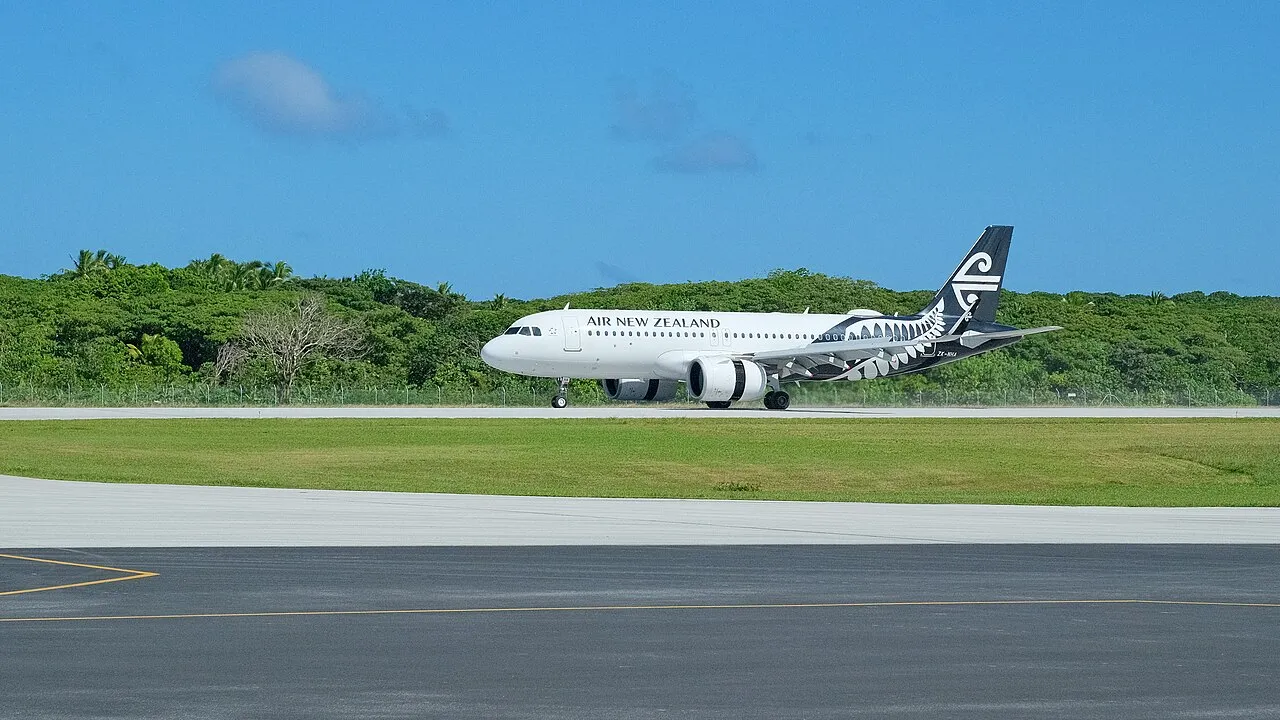
https://commons.wikimedia.org/wiki/File:Air_New_Zealand_A320_on_runway_after_landing_at_Niue_International_Airport.jpg
Conclusion
The emergency landing of Air New Zealand flight NZ221 serves as a testament to the critical role of prompt crew reactions and system redundancies in aviation. Despite the hydraulic failure that necessitated the landing, the aircraft returned safely, and no injuries were reported. The airline has initiated a complete engineering assessment to ensure future safety.
This situation reminds both the aviation community and passengers that safety measures can effectively function under pressure. How do you think airlines can improve their emergency response procedures?