Emirates A380 Delay: Pilot Error at JFK Causes 90-Minute Hold

Emirates A380 Encounter: Ground Confusion at JFK Airport
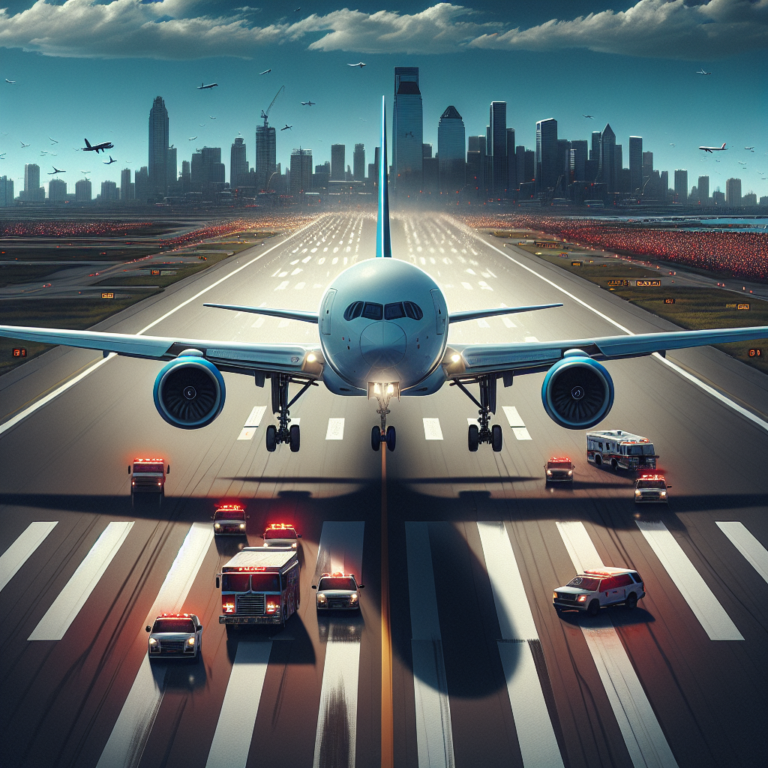
In a recent incident at John F. Kennedy International Airport (JFK), an Emirates Airbus A380, identified as A6-EDN, faced significant taxiing challenges after landing from Dubai (DXB). The aircraft touched down on Runway 31R but encountered confusion regarding taxiway instructions, resulting in a lengthy ground operation that extended approximately 90 minutes—much longer than the typical arrival time for a flight.
Emirates A380’s Taxi Misstep at JFK
After landing, air traffic control (ATC) instructed the flight crew to taxi via taxiway Victor-Uniform (VU) and then make a right turn onto taxiway Alpha. However, the crew mistakenly turned left onto Alpha. Realizing the error, they requested permission to backtrack and take the correct path via taxiway Victor-Alpha (VA). Unfortunately, ATC denied this request due to a taxiway closure ahead and the need to keep adjacent taxiways clear for active runway operations.
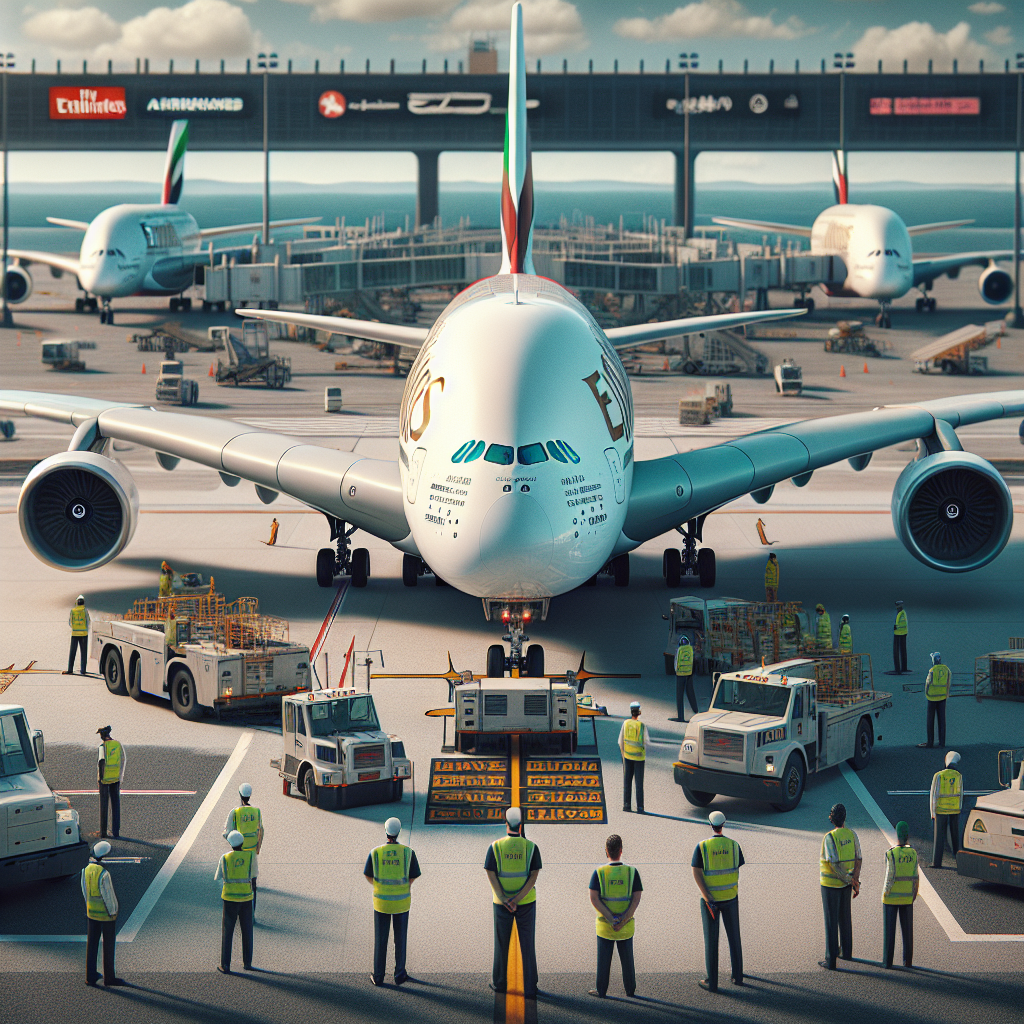
After a prolonged wait for a gap in arrivals, ATC finally granted permission to proceed onto taxiway VA, only for the crew to discover that this taxiway was classified as “red” and was not designed to support the weight of the Airbus A380, the largest passenger aircraft in the world. As a result, the flight EK69 required a tow tug to reposition the aircraft safely to its designated gate.
Challenges of Operating the Airbus A380
Operating the Airbus A380 at major airports presents unique challenges. This recent incident at JFK is not an isolated case. For example, a similar situation occurred on October 18, 2024, when a British Airways A380 flight made a wrong turn while taxiing at Boston Logan International Airport, resulting in significant delays for passengers.
Understanding Airport Adaptations for the A380
The A380: A True Giant of the Skies
The Airbus A380 boasts impressive dimensions and capabilities, including:
- Length: 72.72 meters (238 feet 7 inches)
- Wingspan: 79.75 meters (261 feet 8 inches)
- Height: 24.09 meters (79 feet)
- Maximum Takeoff Weight: 575,000 kg (1.27 million pounds)
- Fuel Capacity: 323,546 liters (85,472 gallons)
Key Modifications for A380 Operations
To accommodate the Airbus A380, airports must implement several critical changes, including:
-
Stronger and Wider Runways:
- Runways must be at least 3,000 meters (9,800 feet) long and strengthened to handle the aircraft’s weight.
- Taxiways need a width of at least 60 meters (197 feet) to accommodate the A380’s wingspan.
-
Larger Parking Areas:
- Airports require larger parking spaces with enough room for maneuvering.
- Special gates with dual boarding bridges are necessary for efficient passenger boarding.
-
Expanded Terminals:
- With the capacity to carry over 800 passengers, terminals must have larger waiting areas and increased immigration counters.
-
Special Air Traffic Control Measures:
- Greater spacing between the A380 and other aircraft is necessary due to wake turbulence.
- Dedicated taxiways and waiting areas help prevent ground traffic congestion.
-
Enhanced Maintenance Facilities:
- Airports must have larger hangars and specialized equipment for A380 maintenance.
- Improved Safety and Emergency Equipment:
- Larger firefighting vehicles and expanded emergency response zones are essential for handling emergencies involving the A380.
Conclusion: Navigating the Challenges of the A380
The recent incident involving the Emirates A380 at JFK underscores the complexities of operating such a massive aircraft in busy airports. As air travel continues to evolve, airport authorities are focused on refining procedures to accommodate the unique needs of the Airbus A380 and other large aircraft. For more insights into the challenges and adaptations required for superjumbo jets, feel free to explore related articles or share your thoughts in the comments below!
Stay informed about aviation news and updates by following our blog for the latest developments in the industry.