Singapore Airlines 777 Pilots Execute U-Turn Before Landing at Melbourne Airport

MELBOURNE: Singapore Airlines Flight Returns Due to Technical Issue
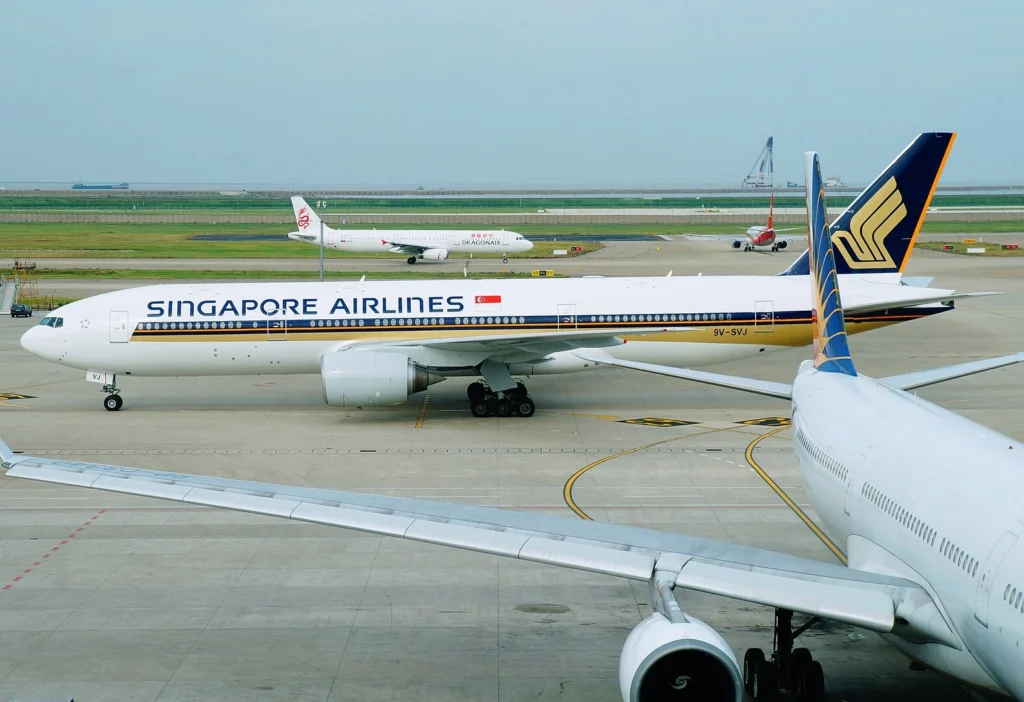
A Singapore Airlines (SQ) flight from Melbourne (MEL) to Singapore (SIN) made an unexpected return to Melbourne Airport on October 29 after encountering a technical issue shortly after takeoff.
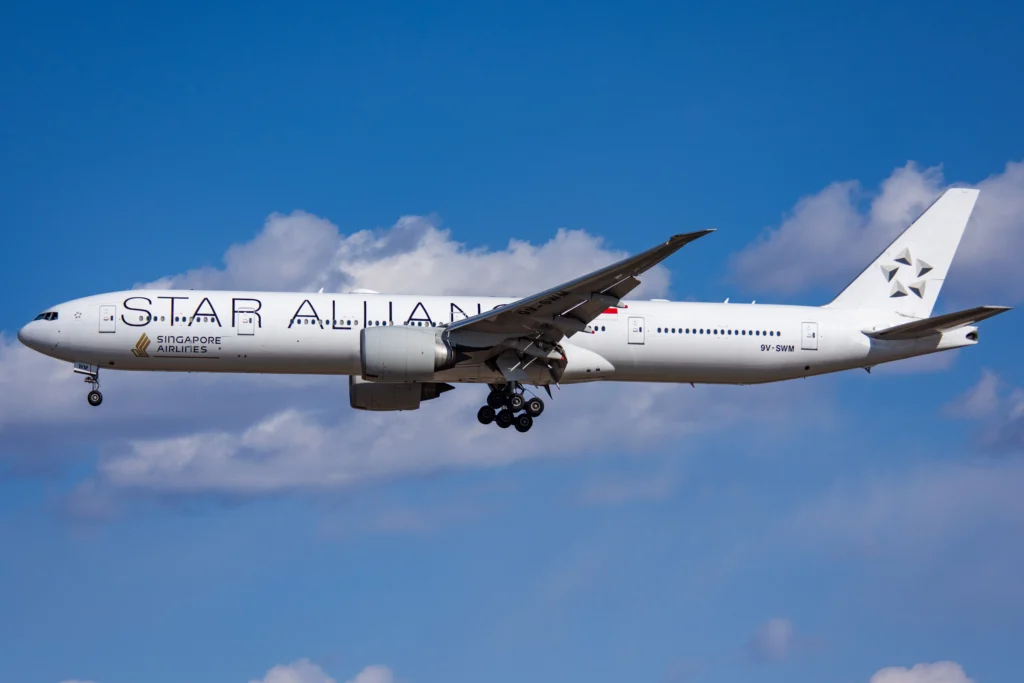
The Boeing 777, registered as 9V-SNB, was operating flight SQ228. After taking off, it circled around northern Melbourne before safely landing about an hour later, as shown by flight tracking data from AirNav Radar.
Details of the Incident
Pilots aboard Singapore Airlines flight SQ228 decided to return shortly after departing at 4:52 p.m. local time due to reported technical issues. The takeoff occurred around 4:50 p.m., and the landing happened at 5:47 p.m.
A spokesperson for Melbourne Airport stated that the flight returned due to a technical issue shortly after takeoff. Remarkably, the plane landed without incident, and no emergency was declared.
Footage shared on social media revealed the aircraft releasing fuel while circling above suburban areas, an altitude deemed safe for evaporation as noted by aviation expert Blake Johnson.
Observations from Witnesses
Witnesses reported seeing the aircraft flying unusually low over eastern Melbourne. Callers to a local radio station described the scene as concerning, with some noting the landing gear was visible as the plane circled above.
One caller, named Sam, recounted, “It just flew over our house a few minutes ago. It was so low, you could see the wheels down, and I waved at all the passengers.” Another witness, Gordon, mentioned that the plane appeared to be dumping fuel while returning to the airport.
Several videos on social media captured the 10-year-old Boeing 777 leaving two white trails behind its wings as part of the fuel release process. Observers speculated that the issue might have involved the landing gear, suggesting it could not retract properly.
Despite the mid-air difficulties, the aircraft landed safely, and there were no reported injuries among passengers. Fuel dumping is a standard safety measure, particularly for long-haul flights like the Boeing 777, which normally operates routes such as Melbourne to Singapore, typically lasting about 7 hours and 45 minutes.
As of now, Singapore Airlines has not shared additional technical details regarding the incident. The airline plans to perform a comprehensive inspection of the aircraft before it resumes service.
Related Incident
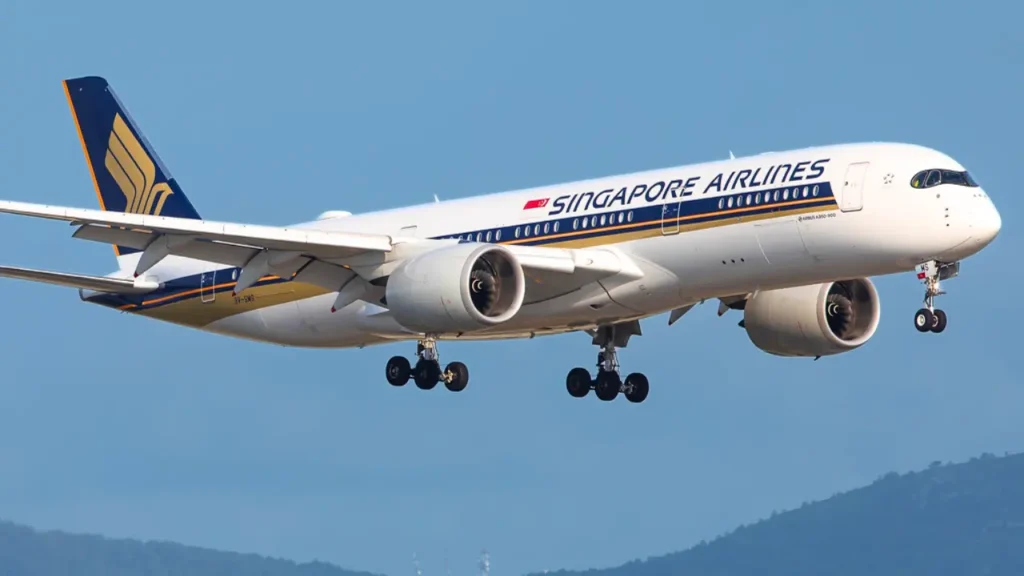
A similar situation occurred when a Singapore Airlines flight from Brisbane (BNE) to Singapore (SIN) made an emergency landing in Perth (PER) on July 7, 2025. The Airbus A350 crew had to shut down one engine due to a mid-flight alert and diverted safely.
The airline confirmed that all passengers and crew were unharmed, and engineers later examined the aircraft while a replacement flight was sent from Singapore to continue the journey.
Crew Diverts to Perth After Engine Alert
Flight SQ256, operated by a 5.5-year-old Airbus A350-900 (registration 9V-SHM), was on its way to Singapore. The flight crew detected a low-pressure alert on one engine, followed standard procedures, and evaluated nearby diversion options.
Although closer to other airports, the pilots chose to divert to Perth due to its strong maintenance facilities and engineering support suitable for the A350.
This approach minimized passenger disruption and allowed for effective technical inspections. The landing occurred without any further incidents, with emergency services on standby.
Engineering Response and Passenger Support
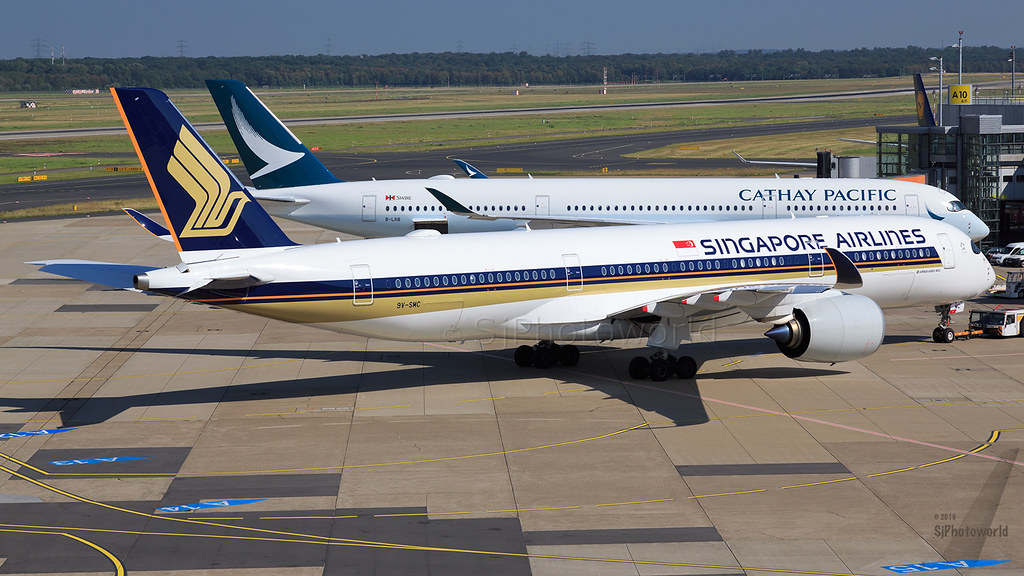
Singapore Airlines quickly sent a replacement Airbus A350 (registration 9V-SHP) to Perth as flight SQ9225.
The replacement flight took off at 4:40 p.m. local time on July 8, heading to Singapore, with an expected arrival around 9:40 p.m.
During their wait in Perth, passengers received refreshments and updates from ground staff. The airline also made arrangements for onward travel and accommodations in Singapore as needed. Singapore Airlines expressed regret for the inconvenience, emphasizing their commitment to passenger safety.
Why Perth Was the Logical Choice
Perth (PER) serves as a vital maintenance hub capable of supporting widebody aircraft such as the Airbus A350. Its engineering capabilities and established support infrastructure made it a favorable option for unplanned diversions compared to smaller regional airports.
While other locations like Denpasar (DPS) handle A350 operations, northern Australia’s limited infrastructure means Perth offers faster technical responses and a smoother continuation of journeys for passengers.
How do you feel about airlines prioritizing passenger safety during technical issues? Would you want to know more about flight safety protocols?