World’s Second Highest-Paid CEO Chooses Economy Over First Class

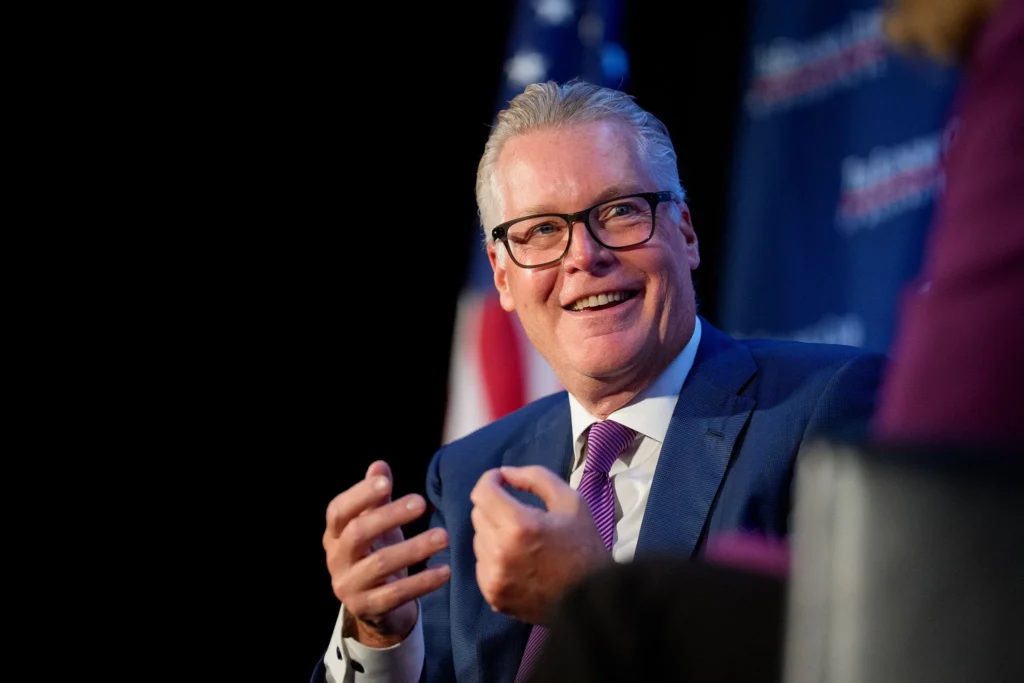
Ed Bastian, the CEO of Delta Air Lines (DL), earns an impressive $27 million a year but often opts to fly economy class. His recent statements during an interview with Fortune have reignited conversations about airline leadership and public perception.
In the video released by Fortune, Bastian shared his experience of sitting close to the restroom, managing emails mid-flight, and engaging with surprised fellow passengers. As the head of Delta Air Lines, headquartered in Atlanta (ATL), he enjoys the same travel experience as his customers—sometimes sitting right beside them.
Delta’s Economic Choices
Bastian’s remarks echo a common trend among airline leaders. Executives at major U.S. carriers frequently declare that they fly economy, especially on short-haul flights. While this might come off as humble, experts suggest it’s a strategic move focused on optics and practicality.
Leadership often travels on short notice. When first-class seats are unavailable, economy becomes the fallback. More importantly, flying economy promotes relatability, bridging gaps between executives and both employees and customers.
Interactions with CEOs in the back of the plane frequently generate buzz, creating a PR boost without any financial expenditure.
Operational efficiency also plays a role. Airline executives have positive-space privileges, allowing them to occupy any available seat. However, being seen in first class can convey the wrong image, especially when upgrade lists are long.
By flying economy, leaders aim to minimize resentment and signal that customer experience takes precedence over personal comfort.
Advantages for Airline Executives
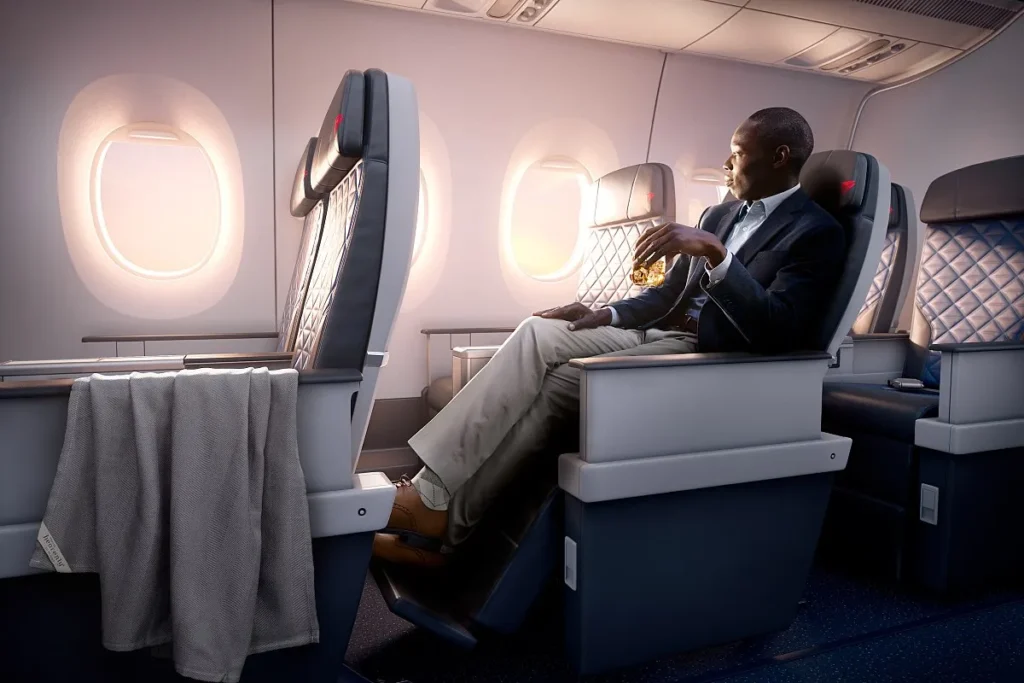
Choosing to fly economy gives executives valuable visibility among their customers. It humanizes leadership in an industry often criticized for appearing distant and detached.
For Bastian, being seen interacting with passengers while enjoying snacks creates a relatable image.
This choice also aligns well with loyalty programs, which drive significant profits. It would reflect poorly on a CEO to take a seat reserved for frequent flyers, as that could undermine customer loyalty.
Echoing this ethos, flying economy helps safeguard the privilege of upgrades for frequent customers and showcases executives’ grounded approach.
A Broader Perspective
While executives like Bastian may occasionally choose economy, they still travel in luxury on international flights or for crucial business engagements. Opting for coach on domestic routes is less about cost savings and more about managing public perception.
In an era where customer trust and employee morale are paramount, even small gestures like opting for economy can foster significant goodwill.
For Delta (DL) and its CEO, this strategy communicates a commitment to connection over comfort. It offers passengers a rare opportunity to see corporate leaders just a few seats away.