Historic Military Aircraft’s Longest Flight Ends in Crash in Georgia

GEORGIA- On November 11, 2025, a Turkish Air Force C-130 military cargo plane, carrying 20 personnel, crashed in eastern Georgia, close to the Azerbaijan border. The aircraft was en route back to Turkey after departing from Baku when it suddenly lost contact and crashed into the mountainous region.
Officials, including Turkey’s President Recep Tayyip Erdogan, expressed concerns over potential casualties, though an official death toll has not yet been confirmed. Search and rescue teams have reached the site to commence investigations.
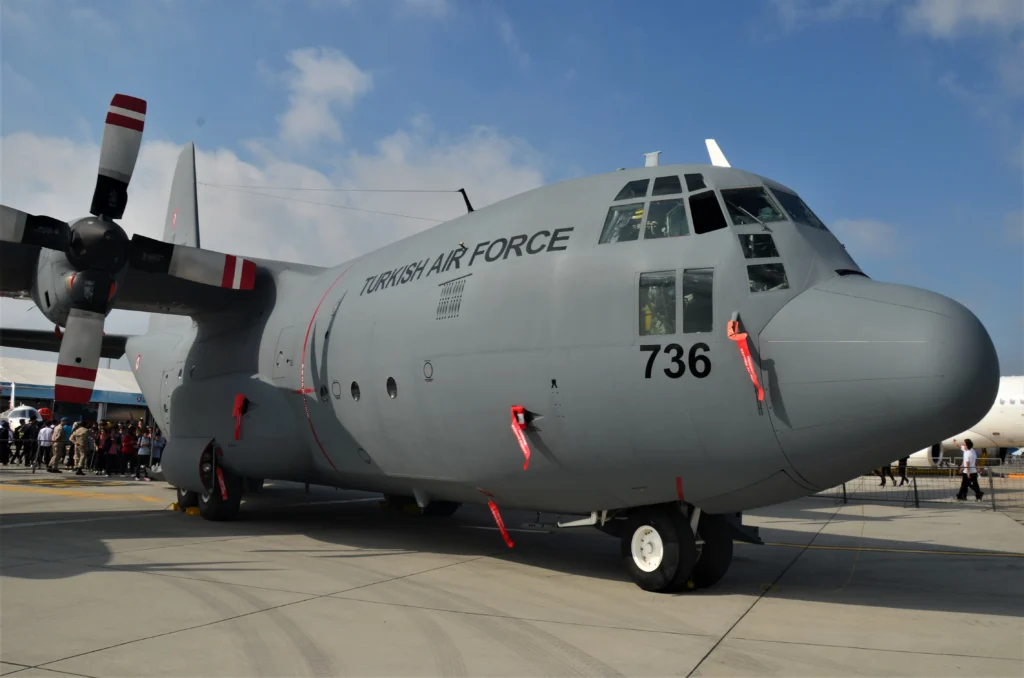
Turkish Air Force C-130 Crash in Georgia
As per the Turkish Ministry of National Defense, the C-130 Hercules took off from Heydar Aliyev International Airport in Baku and disappeared from radar shortly after entering Georgian airspace. The loss of radio contact occurred within minutes, and no distress signal was sent before the crash.
Eyewitness video shared by news outlets captured the aircraft spiraling down and releasing smoke prior to the impact near Sighnaghi municipality in Georgia’s Kakheti region. The crash site has been secured by Georgian emergency services, with operations commencing around 5 p.m. local time.
Turkish Interior Minister Ali Yerlikaya highlighted the challenging terrain faced by rescue teams, mentioning the deployment of an unmanned aerial vehicle to assist in the operations. An accident investigation team has also been sent to Georgia to facilitate recovery and inquiry efforts.
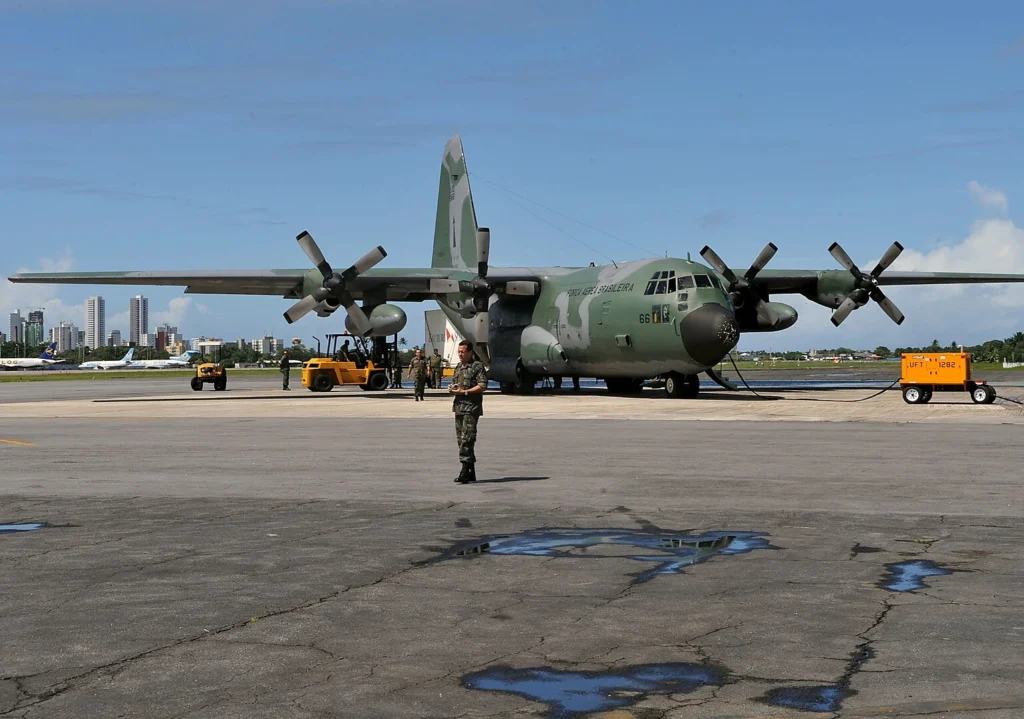
Comments from Turkey, Georgia, and Azerbaijan
President Erdogan conveyed his heartfelt condolences to the families affected by this tragedy, stressing the importance of national unity during such times. Azerbaijan’s President Ilham Aliyev and Georgia’s Foreign Minister Maka Botchorishvili echoed these sentiments, emphasizing solidarity in the region.
Aliyev described the loss of Turkish soldiers on Georgian soil as “deeply shocking,” underlining the strong military bonds shared between Turkey and Azerbaijan.
Both nations frequently collaborate on defense exercises, utilizing the C-130 Hercules as a primary transport aircraft for joint operations.
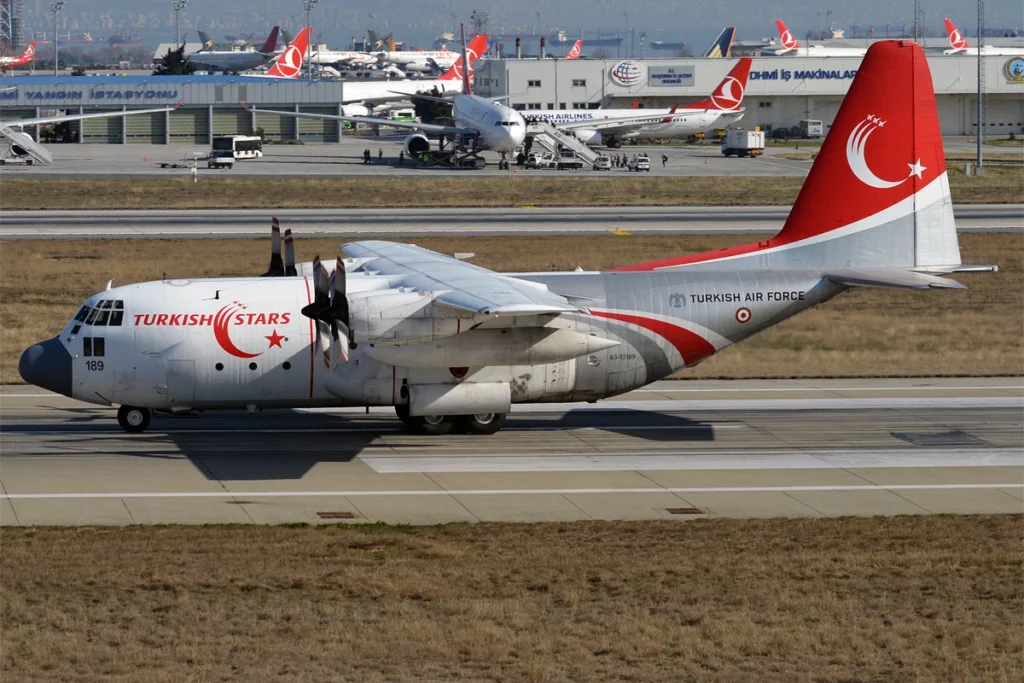
C-130 Hercules and Ongoing Military Ties
The C-130 Hercules has long been a vital asset for Turkey’s military logistics, supporting troop transport, equipment delivery, and humanitarian missions. Its reliability makes it a preferred choice globally, though older models still pose concerns regarding safety.
This unfortunate incident coincided with Turkey’s high-profile attendance at Azerbaijan’s Victory Day festivities on November 8, which commemorated the 2020 Nagorno-Karabakh conflict.
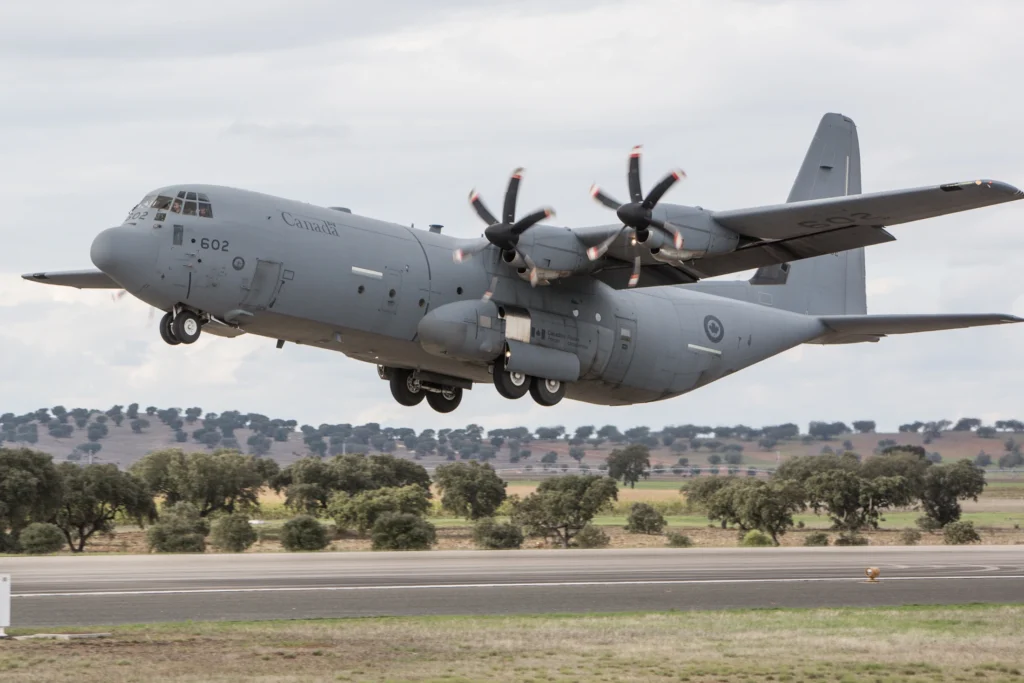
About C-130: Longest Continuously Produced Military Aircraft
The C-130 Hercules stands as one of the most adaptable and enduring military aircraft in history. Manufactured by Lockheed Martin, this four-engine turboprop has defined tactical airlift operations for decades, aiding missions in conflict zones and disaster relief efforts.
Operational at key military bases worldwide, including Little Rock AFB and Ramstein Air Base, the Hercules is essential for delivering troops and supplies reliably from unprepared airstrips.
Tactical Role and Versatility
The C-130 is designed for tactical airlift, capable of operating in hostile environments. It can carry a wide variety of cargo due to its rear loading ramp and can even undertake aeromedical evacuations.
The aircraft’s configuration allows it to deploy large quantities of equipment or personnel accurately, harnessing its unique capabilities.
Advanced Technology and Performance
The latest version, the C-130J Super Hercules, boasts impressive performance enhancements, including high-speed engines and advanced avionics. Its design allows for longer missions and greater payload capacities, ensuring operational readiness.
Global Deployment and Operational Reach
The Hercules operates globally across multiple commands, fulfilling diverse missions such as polar resupply, combat logistics, and humanitarian assistance in disaster zones.
Design Evolution and Enduring Legacy
Since its inception in 1956, the C-130 has evolved through various models, continuously improving in power, payload, and technology. Its extensive production history, with over 2,500 units built, highlights its significant ongoing utility in military aviation.
Technical Overview
- Manufacturer: Lockheed Martin Aeronautics Company
- Primary Function: Global tactical airlift
- Engines: Four Rolls-Royce AE 2100D3 (C-130J)
- Crew: Three (two pilots, one loadmaster)
- Payload Capacity: Up to 44,000 lbs (C-130J-30)
- Speed: Up to 417 mph (Mach 0.59)
- Range: 2,071 miles with max payload (C-130J)
- Service Ceiling: Up to 28,000 feet
- Date Introduced: December 1956 (C-130A), February 1999 (C-130J)
What are your thoughts on the impact of this incident on international military relations?