Boeing Reduces 33 777X Orders Amid Certification Delays and Flight Test Updates

SEATTLE- Boeing has taken steps to adjust its backlog by removing 33 orders for the 777X aircraft. This decision relates to changes in their accounting practices, specifically transitioning to the ASC-606 category, driven largely by delays in certification and shifting delivery schedules. This adjustment follows updates in Boeing’s third-quarter report as the company gears up to display the 777-9 at the Dubai Airshow.
These changes correspond with tepid demand from certain customers, such as TUI Airways (BY), while Boeing continues to target the long-awaited certification for the 777-9, with delivery timelines now anticipated for 2027.
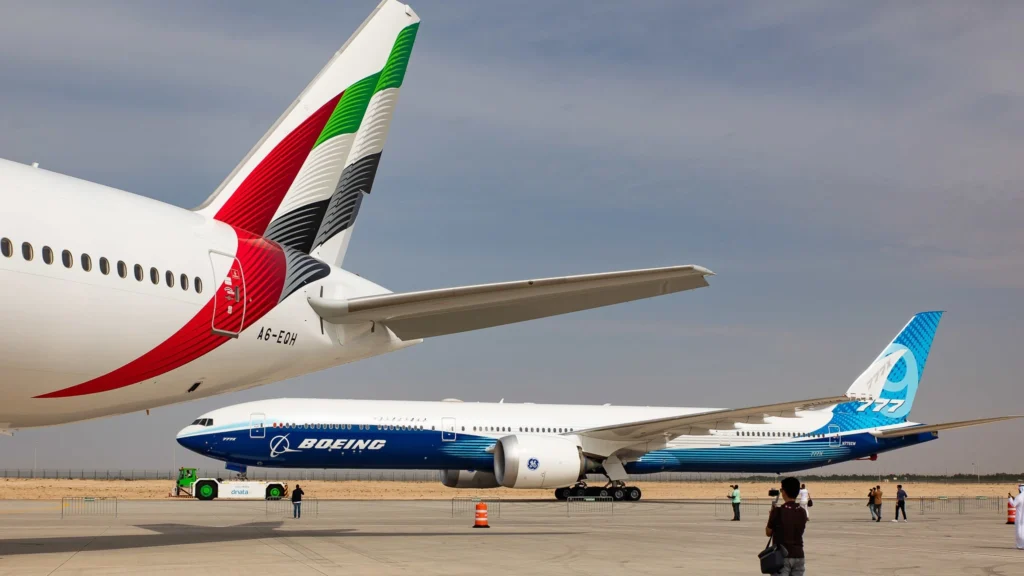
Boeing’s 777X Order Adjustments
The removal of the 33 orders reflects a broader trend regarding customer confidence amid ongoing certification delays. According to reports, this adjustment was retroactively applied to September figures, resulting in a backlog of 473 jets for the Boeing 777X through October. The ASC-606 accounting method indicates that while a contract exists, Boeing has doubts about how the sale will finalize.
Certification delays are a major concern, as the Federal Aviation Administration’s slow approval process for flight testing has delayed the first delivery of the 777-9 to 2027, pushing back an already extended timeline.
Despite these setbacks, Boeing has witnessed a renewed interest in its widebody aircraft this year, securing 84 new 777X orders through October, which has helped mitigate prior cancellations.
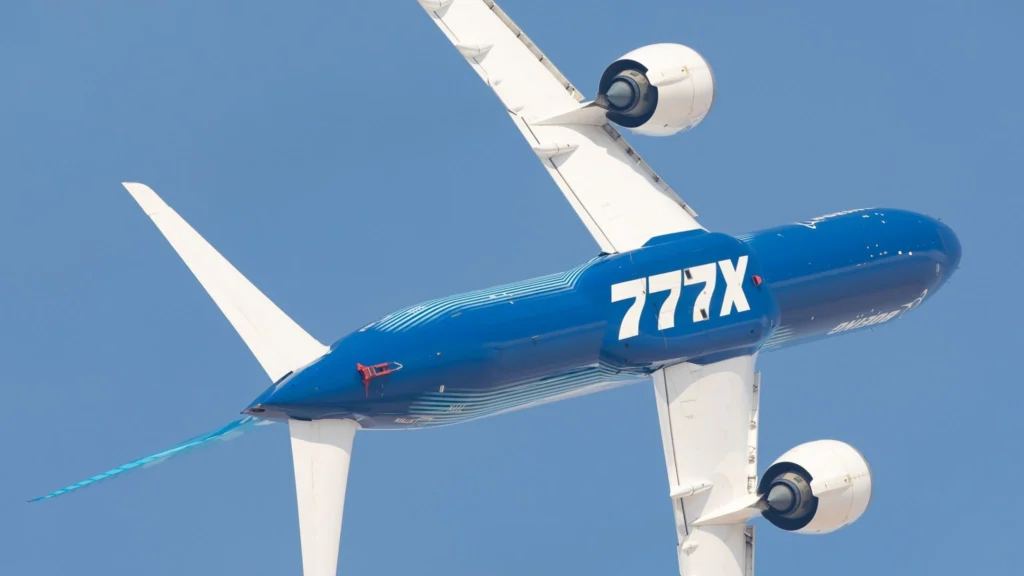
Current Status of Orders and Deliveries
By the end of October, Boeing reported a total backlog of 5,911 aircraft. This includes 4,312 737s, 85 767s, 521 777s, and 993 787s. The month yielded 15 new orders, primarily for the 737 Max jets, including six for TUI Airways, and seven 787s from undisclosed customers.
However, the month also saw cancellations for seven 737 MAX aircraft, with two orders moving to ASC-606. Nonetheless, Boeing achieved a net increase of 10 aircraft in October. Furthermore, deliveries accelerated, with 53 jets handed over, including 40 737s and others across various models.
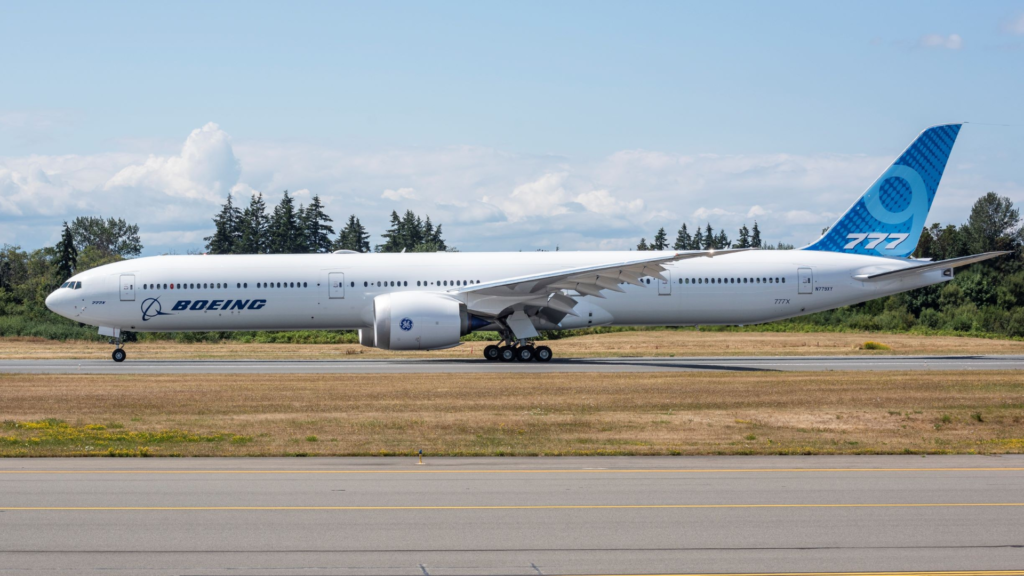
Understanding ASC-606’s Impact
ASC-606 serves as an internal risk metric rather than a definitive cancellation record. Boeing retains valid contracts for the aircraft categorized under ASC-606 and regularly reinstates these orders to their backlog as market conditions or customer finances improve.
The 33 777X orders could be reinstated if conditions change or if certification milestones are achieved. With the upcoming Dubai Airshow, Boeing aims to bolster interest in the 777X program, especially with a focus on large twin-engine aircraft for a recovering international travel market.

Reactions from Singapore Airlines
Singapore Airlines (SQ) has indicated that the delay in receiving its Boeing 777-9 jets will have limited impact. The airline’s strategy remains flexible enough to accommodate changes in the delivery schedule at Singapore Changi Airport (SIN).
Despite the revised timeline for Boeing’s 777X program, Singapore Airlines is confident that core operations and near-term growth plans will not be affected. The airline has designed its long-term fleet plan to include buffers for delivery adjustments.
Management has chosen not to discuss potential compensation with Boeing, expressing confidence in its significant customer position, which favors its eligibility for future aircraft deliveries.
In terms of finances, the airline reported a 68% drop in profit due to various factors including losses at its Indian affiliate. However, the overall fleet outlook remains solid, as the airline continues to adapt schedules to maintain operational efficiency.
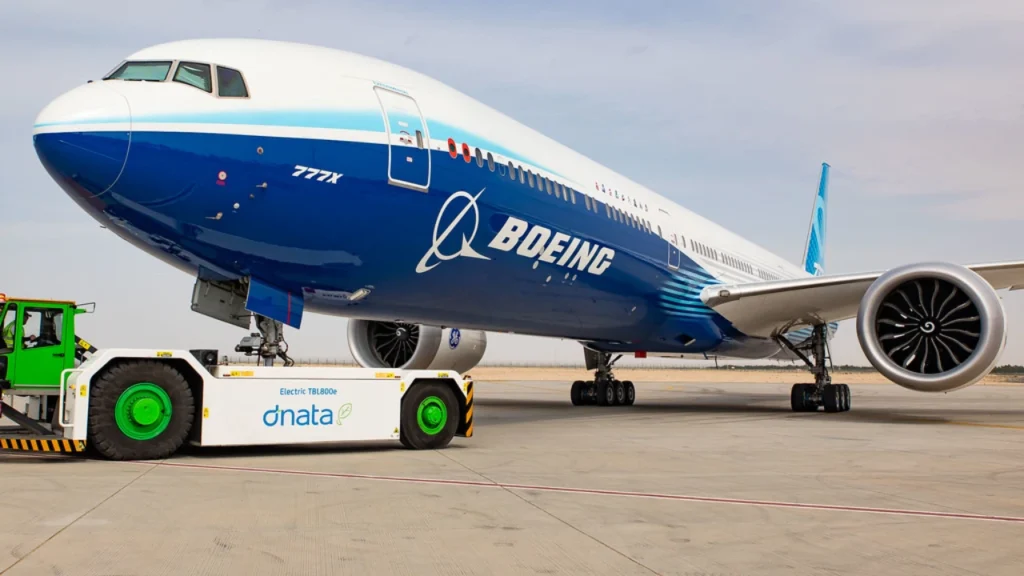
Certification Process for the Boeing 777X
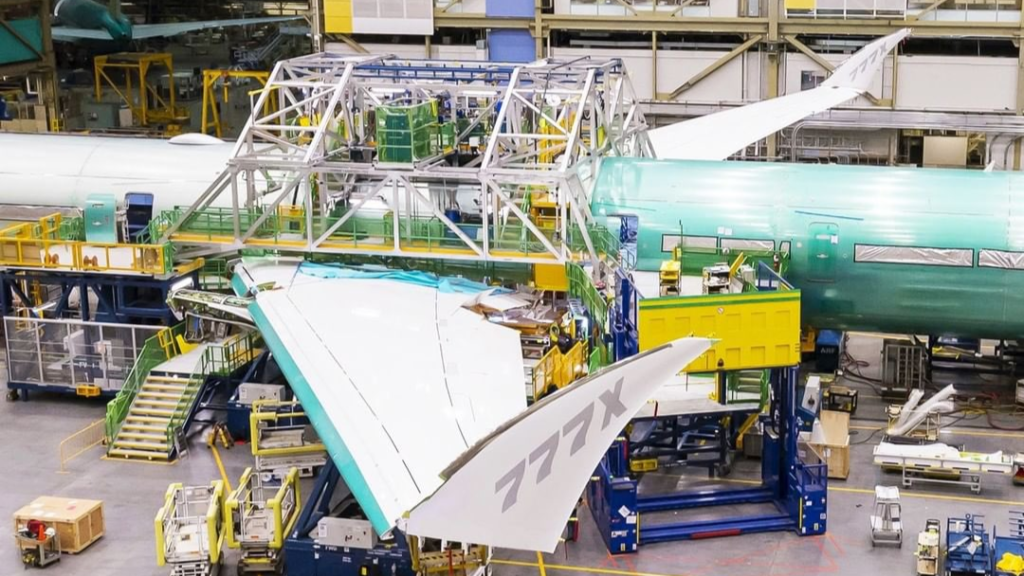
Boeing has made progress in its certification process for the 777-9, recently receiving FAA approval for the third phase of flight testing at Seattle Boeing Field and Everett Paine Field. This move brings the aircraft closer to fulfilling U.S. regulatory requirements.
The ongoing certification process consists of five structured phases, with approval indicating progress for the long-delayed aircraft.
Advancements in the 777-9 Testing
The third phase represents a significant segment of the certification journey, encompassing extensive performance checks and system assessments. This stage evaluates more complex scenarios which are essential for confirming the aircraft’s design.
Boeing stated that the certification program is under comprehensive FAA oversight, with the company working diligently on required documentation and flight data reviews.
Strategic Implications for Boeing
The 777-9 is crucial for Boeing’s long-term strategy in the large wide-body market. However, years of certification delays and rework have significantly inflated development costs and pushed back customer deliveries.
These challenges have opened opportunities for Airbus and its A350, as airlines look for immediate wide-body solutions amidst the post-pandemic travel surge. Consequently, Boeing’s market position and financial outlook have been pressured due to these delays.
Adjustments in Delivery Timelines
Boeing has updated its overall delivery expectations and now forecasts the first 777-9 delivery to occur in 2027. This revision comes alongside a $5 billion charge related to increased program costs and redefined deadlines.
Looking ahead, the FAA has also adjusted the production limits for the 737 MAX, increasing the monthly target from 38 to 42. This development adds some stability to Boeing’s narrow-body production plans as they continue advancing the 777-9 through testing.
What do you think the future holds for Boeing and its 777X program?