Eight Passengers from SAS Airline Treated After Cabin Fire Incident

OSLO- A recent event at Oslo Airport (OSL) has raised alarms regarding the safety of lithium batteries on aircraft after a portable battery pack ignited during boarding. The incident took place on a nearly new Airbus A320 operated by SAS (SK), moments before a short domestic flight to Bergen was set to depart.
Approximately 50 passengers were on board when smoke began to seep from a bag inside the cabin. The situation escalated rapidly, filling the aisle with thick smoke. The crew quickly executed an evacuation to ensure passenger safety before the smoke worsened.
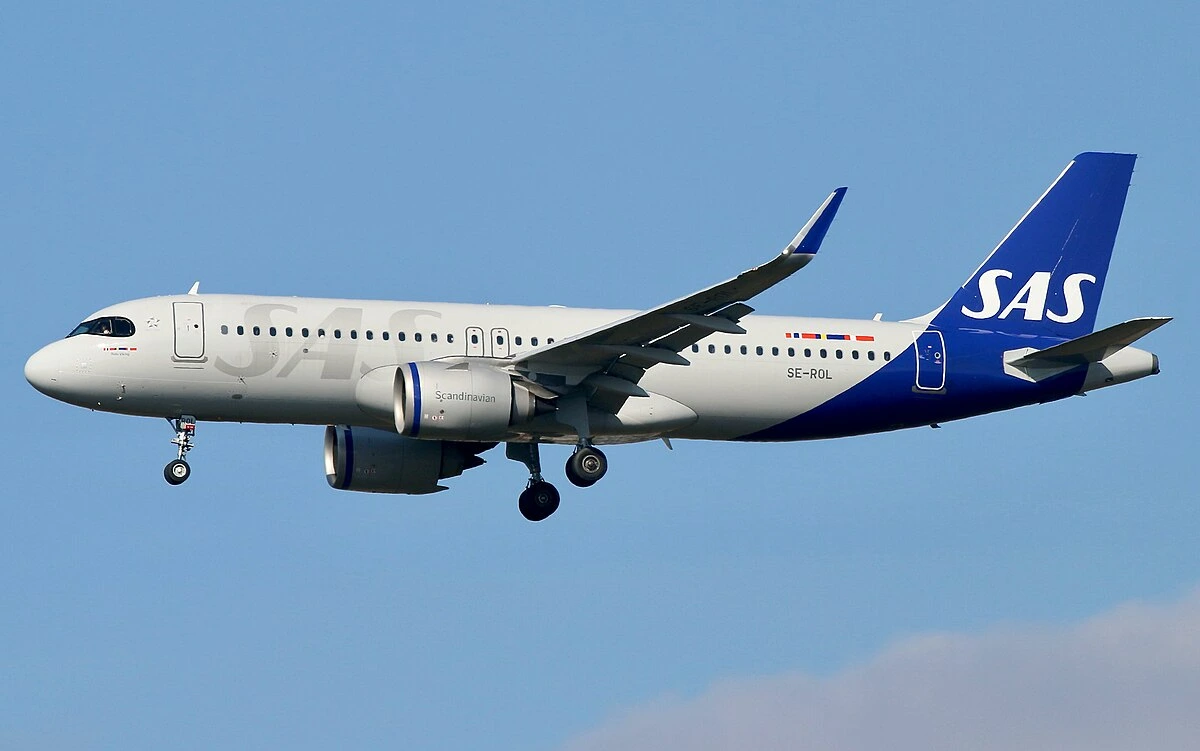
Wikimedia Commons
SAS Cabin Fire
Crew members utilized smoke hoods to protect themselves from the harmful fumes spreading throughout the cabin.
They employed a Halon fire extinguisher to suppress the burning bag and safely removed it from the aircraft. The bag reignited after being taken outside, where emergency responders were already present to manage the situation.
Subsequent reports indicated that eight individuals were hospitalized due to suspected smoke inhalation.
While several were monitored for their condition, all were discharged within 48 hours. Investigators noted that the fire stemmed from a portable battery pack in a passenger’s carry-on luggage.
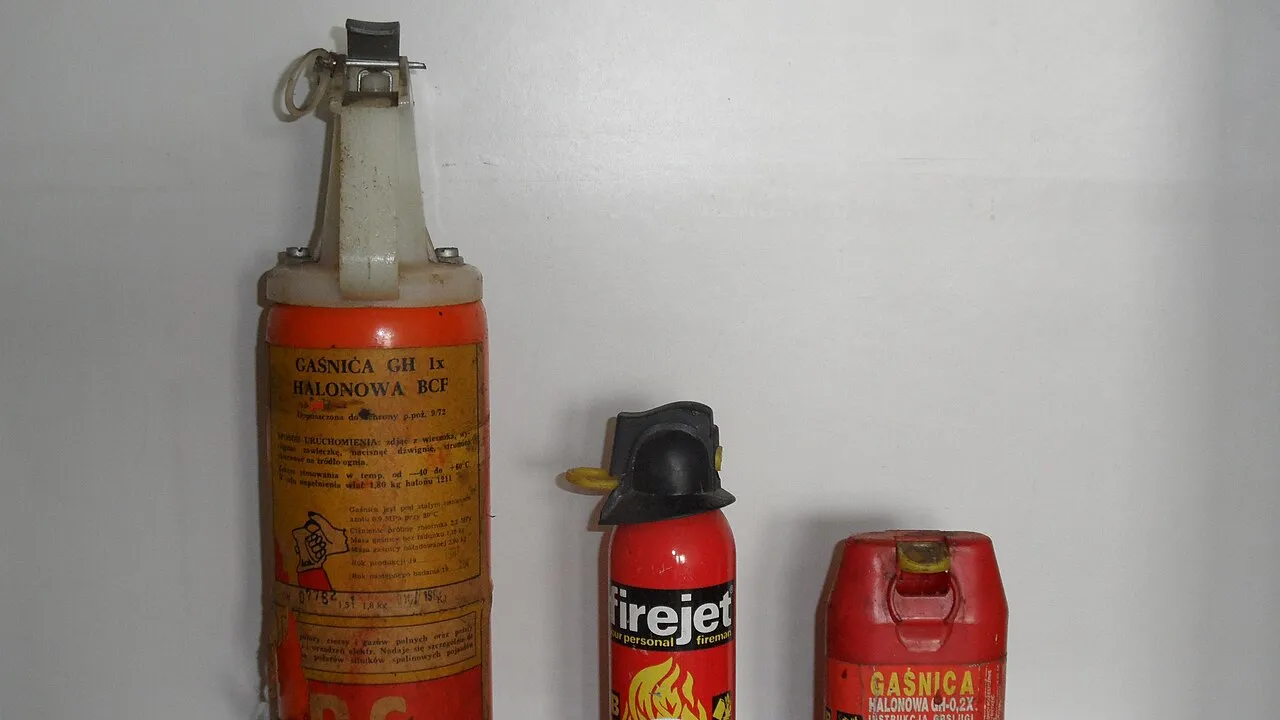
https://commons.wikimedia.org/wiki/File:Halon_extinguishers.jpg
Halon Use Explained
Halon extinguishers are commonly found in aircraft cabins due to their effectiveness in combating electrical fires, but they come with significant environmental concerns.
Since Halon’s production ceased in the 1990s over ozone depletion issues, airlines are permitted to use existing stockpiles of the extinguishers.
By the end of 2025, the European Union intends to completely eliminate Halon extinguishers from aircraft cabins, with the industry gradually adopting newer systems that provide similar effectiveness without harming the environment.
Halon remains one of the few agents capable of effectively suppressing severe battery-related fires in confined spaces like those found in aircraft cabins.

https://commons.wikimedia.org/wiki/File:1.5V_Lithium_Battery_Charger_and_Cable_Front_Picture.png
Lithium Battery Hazard
Lithium battery fires typically result from thermal runaway, where one overheating cell causes chain reactions in neighboring cells.
This sequence can lead to intense flames and hazardous smoke that spreads rapidly in enclosed spaces. Common devices like power banks, laptops, and e-cigarettes contain lithium cells susceptible to failure without warning.
In recent years, airlines globally have reported an uptick in similar incidents. To counteract this, the aviation sector has implemented strict regulations, including prohibiting lithium batteries in checked luggage.
Some airlines, including Emirates, now limit passengers to a single power bank and restrict charging during flights to minimize risk and enhance response efficiency if a battery overheats.
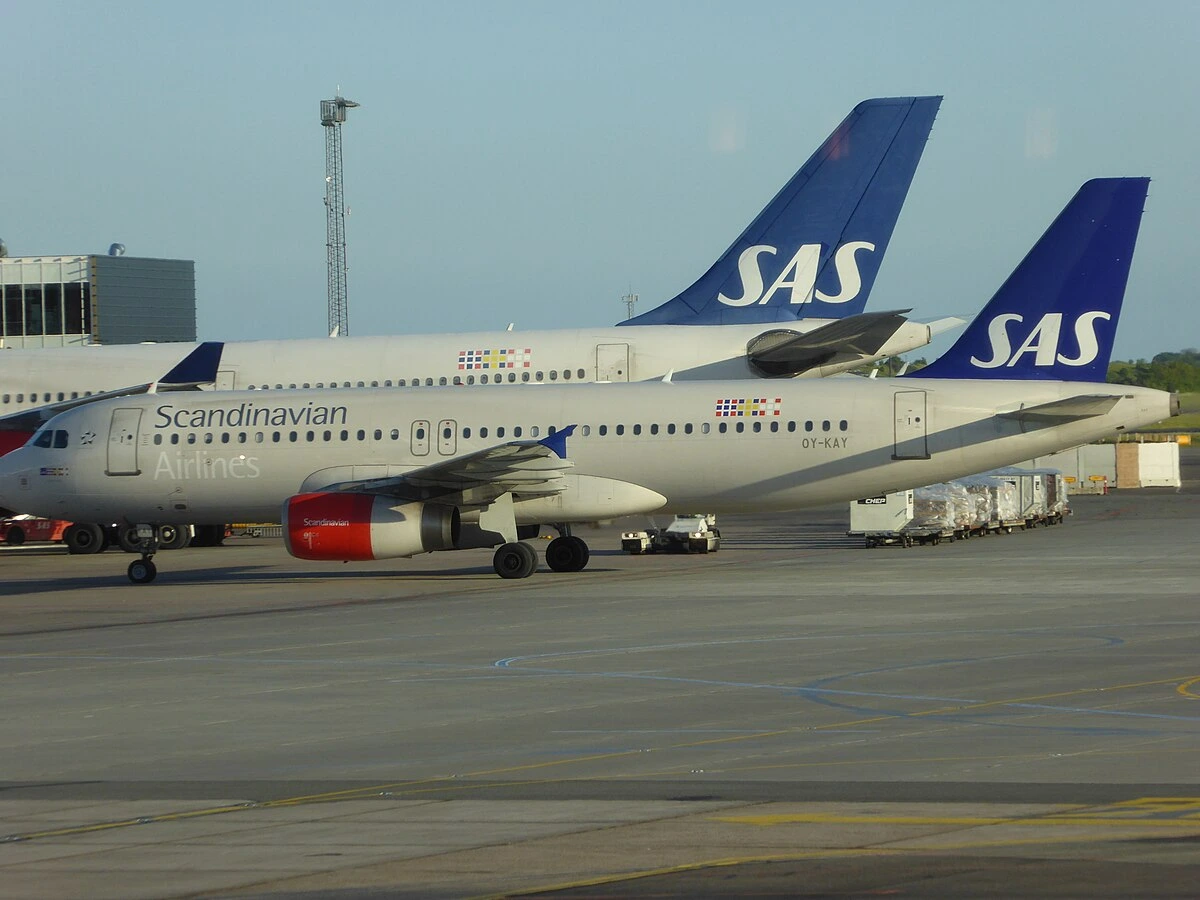
Bottom Line
The incident at Oslo Airport underscores the growing safety challenges that lithium batteries present for airlines and passengers alike.
Thanks to the prompt actions of the SAS crew, the situation was managed effectively, but it highlights the necessity for improved regulations and greater passenger awareness.
As investigations proceed, airlines and regulators may begin implementing further measures to mitigate the risks associated with battery-related fires on flights.