1,900 Flight Reductions Between China and Japan Amid Rising Political Tensions

BEIJING– Over 1,900 flights between mainland China and Japan have been canceled this month due to rising political tensions that are significantly impacting passenger demand and airline operations.
The cancellations affect routes from major Chinese airlines, including Air China and China Eastern Airlines, resulting in considerable reductions at major hubs like Beijing Capital International Airport and Shanghai Pudong International Airport.
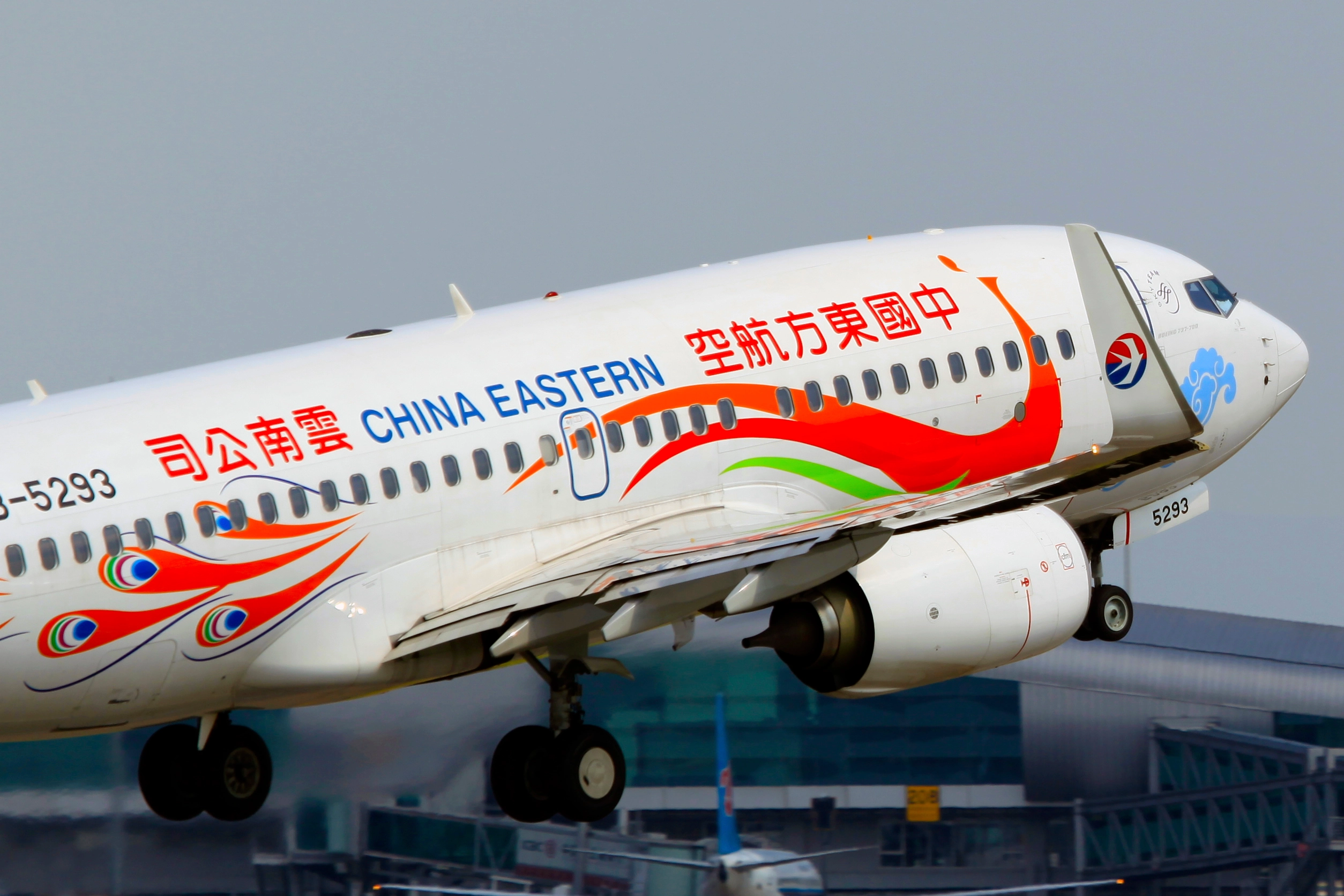
Impact of China-Japan Flight Cancellations
This disruption comes after a month of worsening diplomatic relations between Beijing and Tokyo. Japanese Prime Minister Sanae Takaichi’s comments on potential military involvement in a Taiwan Strait conflict have heightened tensions.
Many airlines, travel platforms, and tourism analysts have observed a decrease in bookings, exacerbated by government advisories and updated refund policies, leading to more flight suspendings throughout December.
Reports indicate that over 40% of planned flights from mainland China to Japan have been canceled this month. Additionally, there was a 35% decrease in December bookings by Chinese travelers heading to Japan compared to October, prompting airlines to extend their refund policies and adjust their capacity.
Alongside canceled flights, a number of cultural events featuring Japanese performers in China have also been called off.
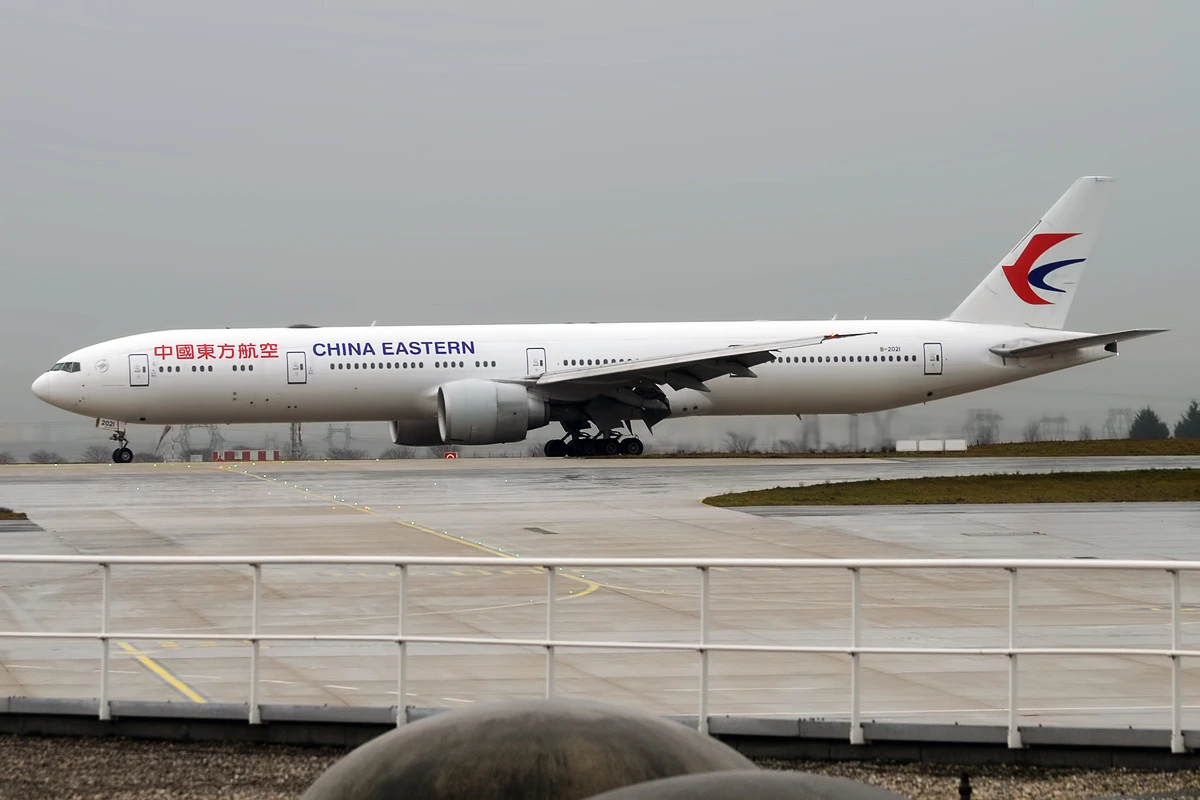
Tourism and Market Effects
The ongoing political tensions are reshaping travel patterns in Asia, with notable increases in bookings to Russia, South Korea, and some Southeast Asian destinations as travelers reroute their plans.
Travel agencies highlight Russia as a leading alternative for travelers due to its low prices and visa-free entry options.
Furthermore, Japanese companies are bracing for possible economic repercussions. Research suggests that spending from Chinese tourists contributes approximately 0.4% to Japan’s GDP, hinting that a prolonged downturn could lead to economic strain.
Despite these concerns, experts believe that a complete collapse of Chinese tourism is unlikely, considering previous recovery trends.
Market analysts warn that if relations worsen, the Japanese yen, already under pressure, could drop further to 160 per US dollar. This weaker currency has recently attracted tourists seeking affordable travel options in Japan.

Industry Response
Travel technology companies are noting that cancellations are likely to extend into late December and possibly beyond, with predictions of a 40-50% decline in visitor numbers from January to April 2026 if the political climate does not improve.
Such declines may be particularly evident during peak travel times, including major holidays and popular routes.
While airlines continue to assess operational risks and adjust capacity, most have refrained from issuing long-term forecasts. Analysts stress that the evolving situation is contingent on ongoing diplomatic discussions between the two nations.
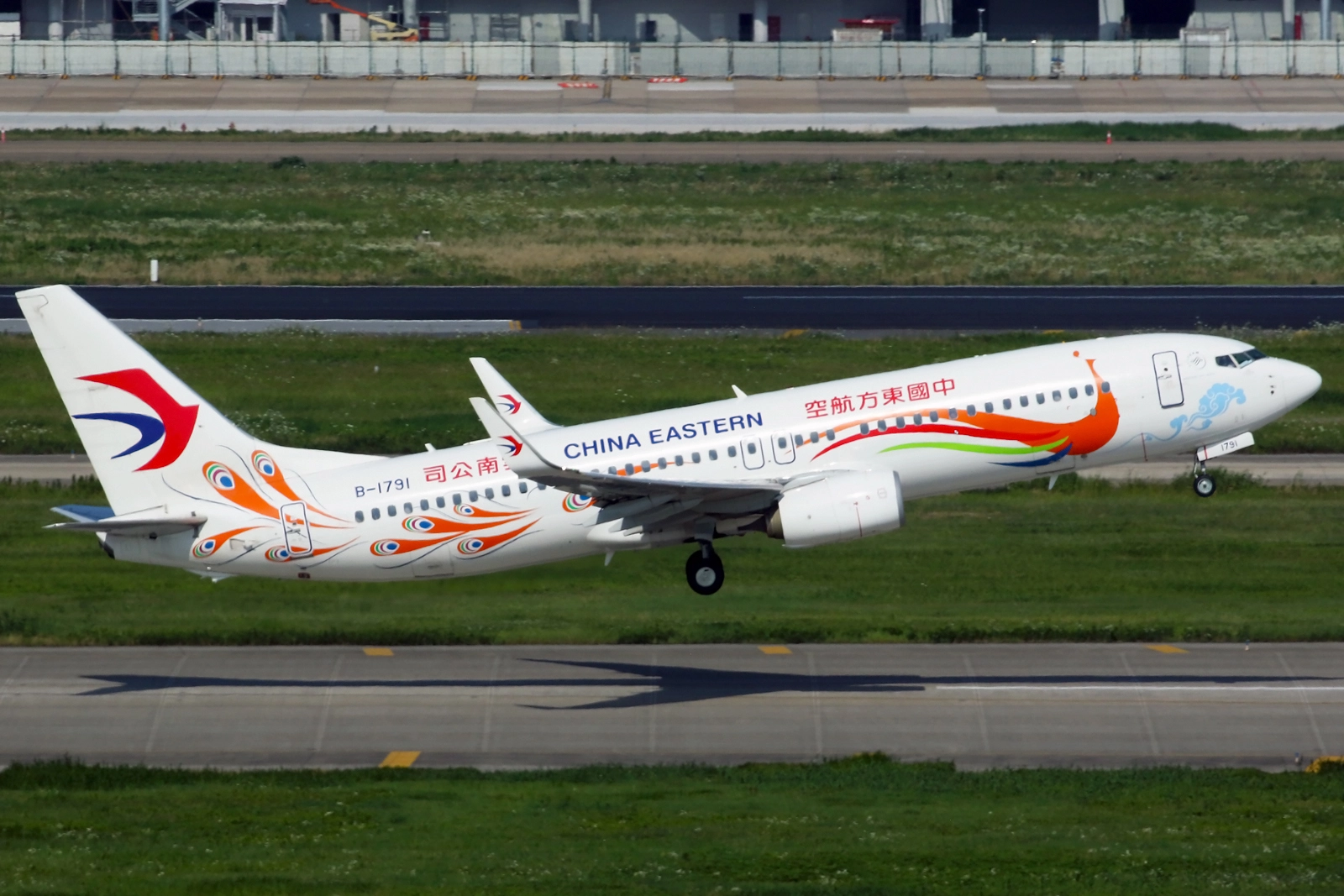
Conclusion
The significant flight cancellations in December highlight how swiftly geopolitical tensions can transform travel dynamics in Asia. Both airlines and tourism operators are grappling with uncertainty that extends far beyond mere schedules.
While many experts expect a degree of stabilization in the future, the immediate effects on air travel, tourism expenditure, and market confidence remain considerable.
How do you think these political tensions will affect your travel plans? Share your thoughts!