
Singapore Airlines Ticket Situation Affects 5 Carriers Due to Delay

SINGAPORE- A passenger experiences intense stress due to a misconnection involving a premium business class ticket from Singapore Airlines (SQ).
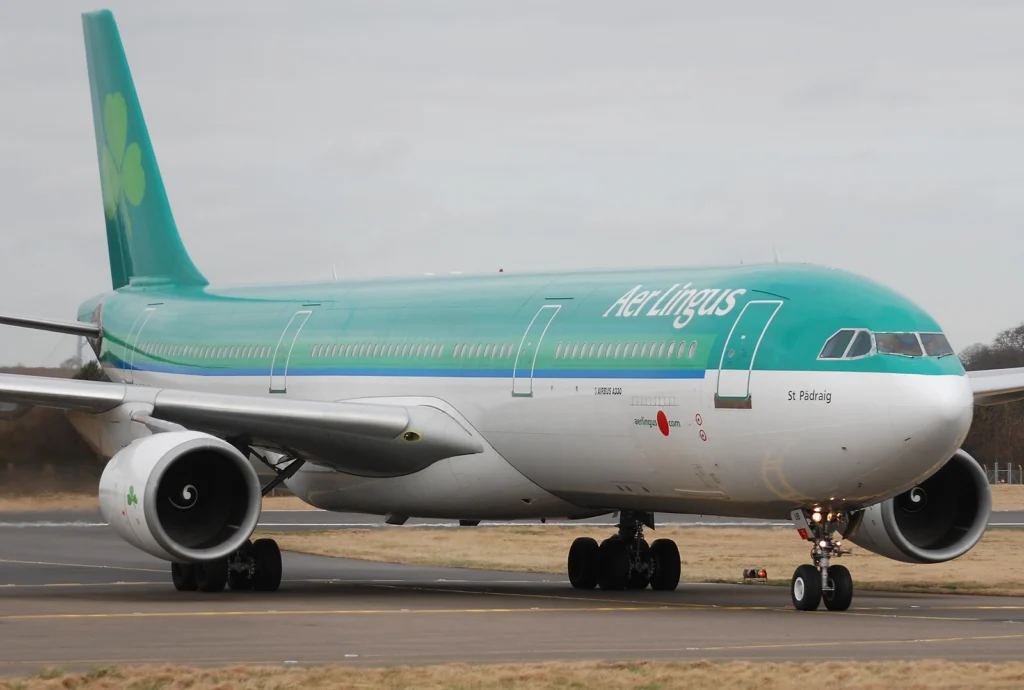
A delay in the first leg from Dublin (DUB) to Paris (CDG), managed by Aer Lingus (EI), leads to chaotic rerouting, resulting in a late arrival in Auckland (AKL) and ongoing disputes regarding compensation and mileage.
Singapore Airlines Interline Ticket Complications
A traveler named Jamie purchased a cash business class itinerary with Singapore Airlines (SQ) routing from Dublin (DUB) to Auckland (AKL).
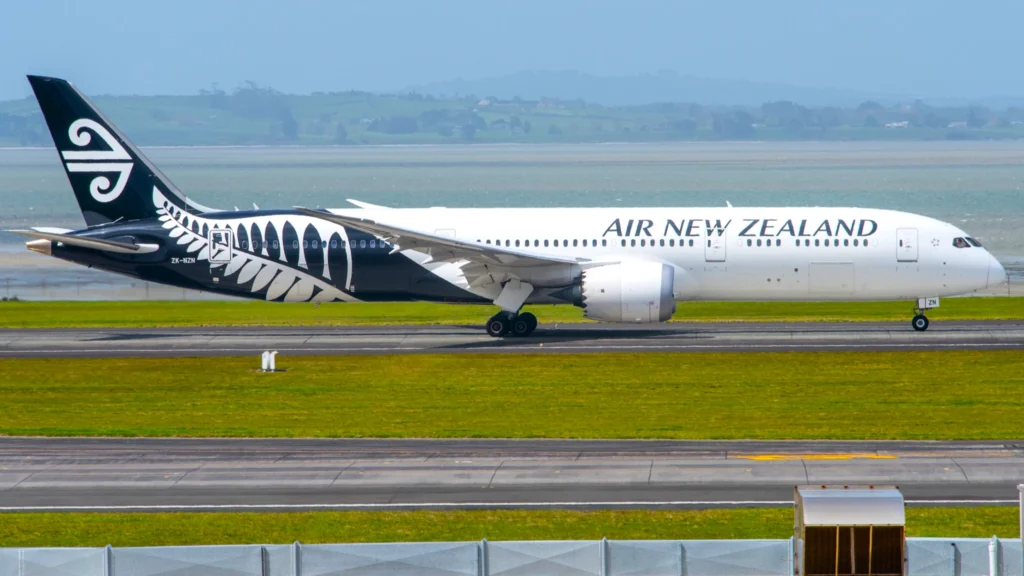
The itinerary included Aer Lingus from DUB to Paris (CDG), Singapore Airlines from CDG to Singapore (SIN), and an SQ codeshare operated by Air New Zealand (NZ) from Singapore to Auckland. Connections allowed a tight 1 hour 45 minutes in CDG and 1 hour 10 minutes in Singapore.
A two-hour delay on the Aer Lingus flight prompts Dublin staff to deny check-in and require rerouting.
Jamie inquires if he should reach out to Singapore Airlines (SQ) for assistance, but the staff insists he should not. He suggests rerouting on the original SQ path or through mainland Europe or the UK, but staff overlook these suggestions.
Initially, the staff provides an overnight hotel in Dublin and plans rerouting through Qatar Airways (QR) for the following day. Upon returning to the airport, however, a flight manager informs him that there is no reservation.
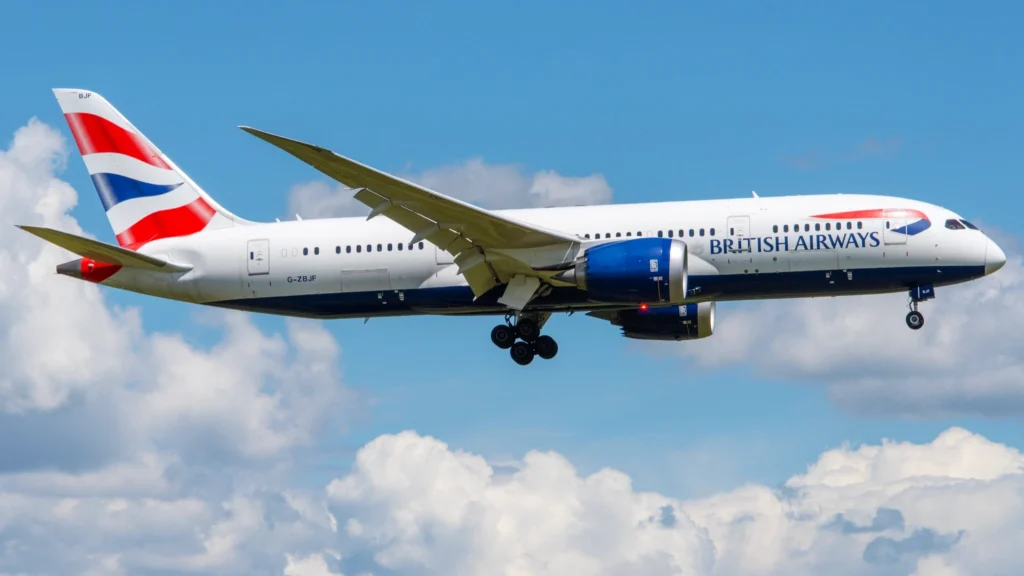
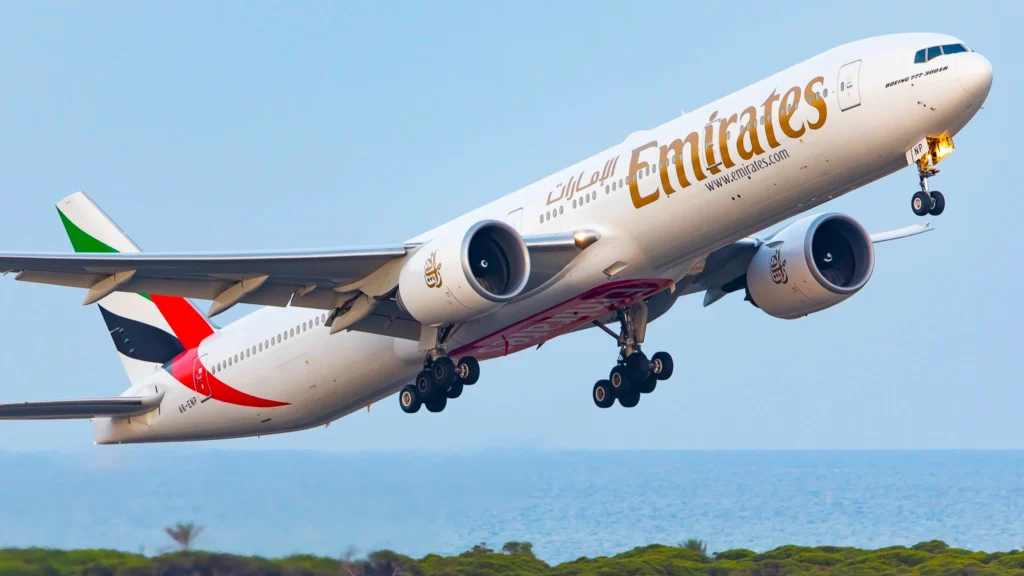
After some discussion, staff propose a new routing: Aer Lingus to London Heathrow (LHR), British Airways (BA) to Dubai (DXB), and Emirates (EK) to Auckland. They print confirmation but issue boarding passes only for the first two segments, explaining he must obtain the final pass at LHR.
At LHR, British Airways lounge agents cannot access flights beyond DXB. One remarks, “How can I print a boarding pass if you’ve made two separate bookings?”
Jamie, typically reserved despite extensive travel experience, breaks down in tears during the BA flight due to the overwhelming stress. Crew members comfort him, explaining that the issue likely arises because British Airways and Emirates lack interline agreements.
Landing 30 minutes late in DXB, Jamie must navigate a complex terminal transfer, involving a long run and multiple security checkpoints, taking over an hour.
At the Emirates transfer desk, agents inform him that the flight has closed, and Aer Lingus failed to check him in for the final segment. After a tense call, staff reopen check-in since he only has hand luggage. Jamie finally arrives in Auckland over a day late and completely exhausted.
Singapore Airlines never contacts him during the ordeal. After his travel, SQ sends a terse email denying responsibility, rejecting any EU261 compensation, and stating he cannot claim Air New Zealand Airpoints despite having made efforts to stick with the original flights.
According to reports, a further dispute arises with Air New Zealand. Singapore Airlines uses “U” class for its business fares, but NZ categorizes it as Premium Economy, rejecting credit claims even with proof of a business booking and seat selections.
Accountability and Industry Regulations
Industry standards dictate that the airline responsible for a misconnection must provide rerouting to the final destination. In this scenario, Aer Lingus (EI) holds that responsibility.
However, the rerouting options provided were poorly executed. Utilizing British Airways (BA) and Emirates (EK), which lack interline agreements for seamless transitions, adds unnecessary complications.
While ticketing agreements might legally allow such routes, they often prioritize cost over passenger experience.
Though Singapore Airlines (SQ) is not legally obligated to arrange rerouting, they could have offered better support. Their handling falls short of what one would expect for a premium fare. Aer Lingus qualifies for EU261 compensation claims due to the EU departure, but enforcing these claims remains a challenge.
Common Experiences
Travelers can reduce risks by avoiding tight connections across multiple loosely partnered airlines on long-haul journeys. Although airlines market these tickets, disruptions often reveal significant coordination issues.
In times of disarray, passengers tend to escalate requests at the airport, trying to maintain original itineraries, and contacting the issuing carrier despite being advised otherwise.
They often verify new bookings online immediately and frequently. Travelers express dissatisfaction with reroutings that involve non-interlining carriers with tight connections and insist on viable alternatives.
Choosing longer layovers and limiting airline changes can greatly enhance reliability.
Essential Insights
Interline agreements simplify complex bookings during regular operations but can fail in irregular situations. Increased number of carriers and shorter connections elevate risks of failure.
This case exemplifies a worst-case scenario for multi-airline tickets. Airlines tend to evade accountability and fail to provide smooth solutions during disruptions, leaving passengers to endure substantial stress despite paying premium prices. What will you do to protect yourself on future flights?
Similar Posts
American Airlines and CBP Launch Remote Baggage Screening
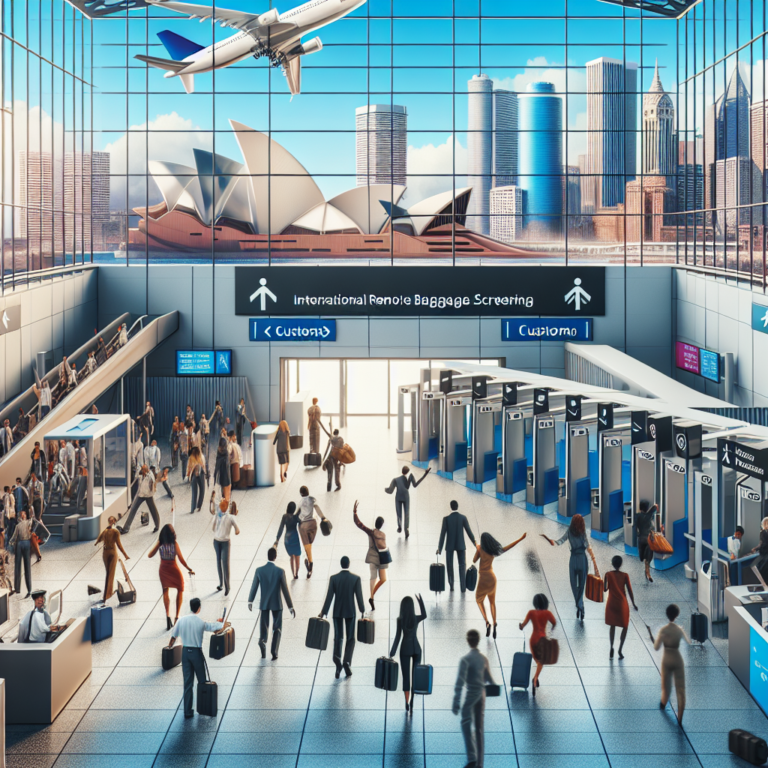
American Airlines has partnered with US Customs and Border Protection to launch the International Remote Baggage Screening (IRBS) program at Sydney and Los Angeles airports. This innovative initiative streamlines the baggage process for international travelers by allowing checked bags to be screened remotely, eliminating the need to recheck luggage after customs clearance. This leads to faster connections, enhanced security, and reduced congestion in baggage claim areas. Currently operational for flight AA72 from Sydney to Los Angeles, there are plans for future expansion. The IRBS program aims to modernize travel efficiency while maintaining stringent security standards.
Explore the 10 Busiest Airports for Long-Haul Flights in September 2025
error code: 524 See also Qatar Airways Unveils 3,000 Additional Flights…
Aerospace Firm Set to Secure 500 Aircraft Deal with Chinese Airlines
BEIJING— A group of U.S. lawmakers has been vocal about a…
Delta Flight from Detroit to LA Diverted for Special Passenger
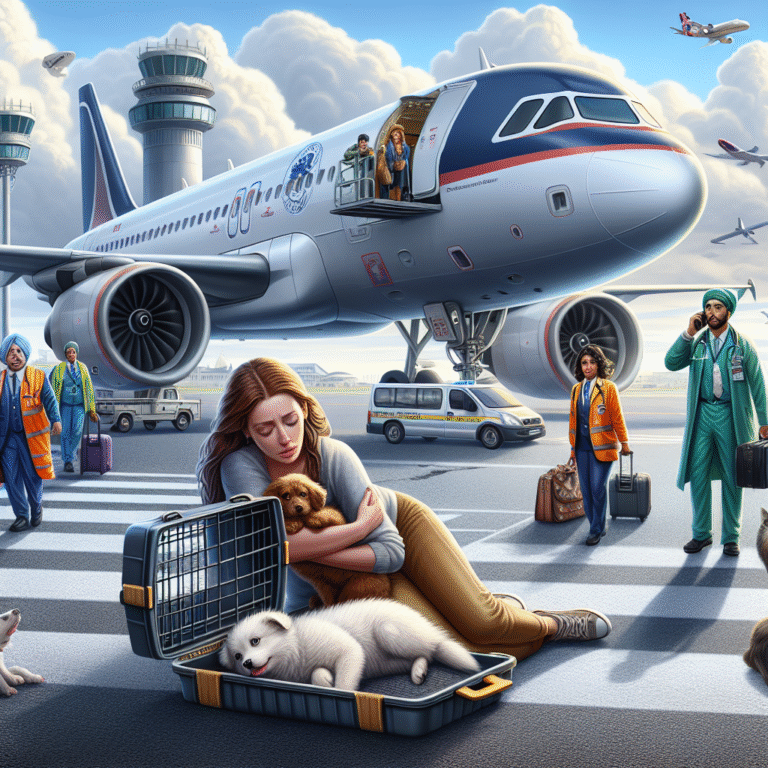
Delta Air Lines Flight DL694, en route from Detroit to Los Angeles, was diverted to Minneapolis due to a medical emergency involving a sick dog. A passenger’s dog showed distress an hour into the flight, prompting the crew to seek veterinary assistance, which was provided by a qualified vet on board. Despite this, the crew prioritized the pet’s welfare, leading to the diversion, where emergency personnel awaited the dog’s arrival. The incident raised discussions about airline protocols for pet emergencies, operational costs of diversions, and the need for clearer policies regarding pet-related incidents during air travel.
SAS Secures Historic Deal for 40 Airbus A330 Jets
SAS has made a significant move by ordering 40 Airbus A330…
2024 Pilot Salaries at SkyWest Airlines Revealed
SkyWest Airlines, a prominent regional airline in the U.S., operates under major carriers and services nearly 300 destinations with a fleet of around 500 aircraft. The airline offers competitive pilot salaries, with First Officers earning approximately $81,000 annually and Captains up to $200,000, based on experience. Key benefits for pilots include guaranteed minimum flight hours, retirement plans, comprehensive health insurance, and travel perks. Pilots operate various aircraft, including Bombardier CRJs and Embraer 175s, and are based in multiple U.S. cities. Aspiring pilots must meet specific regulatory and job requirements to join SkyWest.