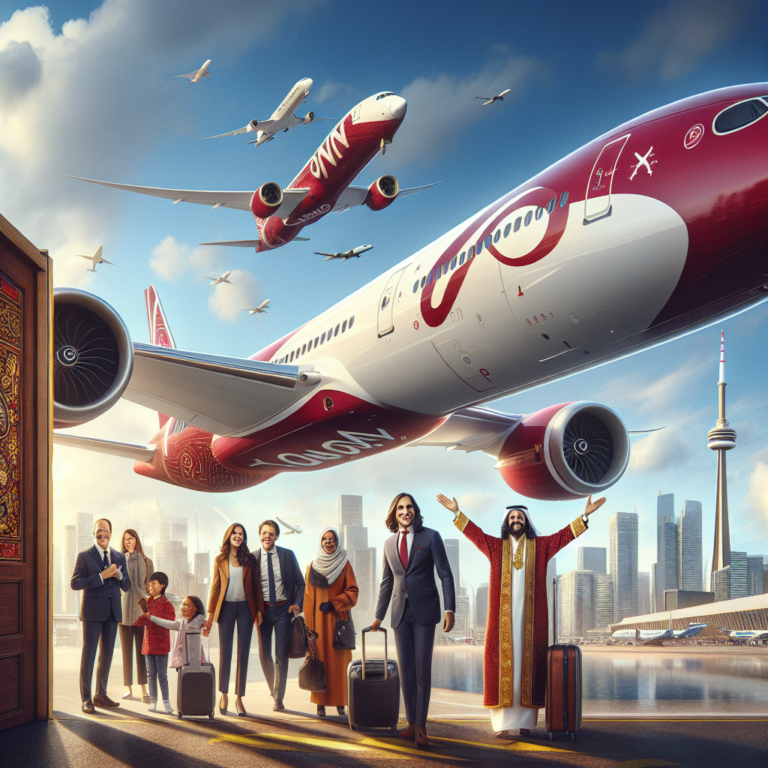
FAA Expands Newark Flight Limits to Enhance United Airlines Dependability

CHICAGO – United Airlines (UA) has expressed its support for the Federal Aviation Administration (FAA)’s recent proposal to sustain strict capacity limits at Newark Liberty International Airport (EWR) until October 2026. The airline believes this initiative will help maintain the airport’s improved reliability.
This decision not only bolsters operational stability for United but also safeguards its significant presence at one of its major hubs.
The FAA has tentatively extended the cap to 72 flights per hour at Newark, impacting both the Winter 2025 and Summer 2026 seasons.
This limit, first implemented in May 2024 to tackle ongoing congestion issues, was previously lowered from over 80 flights per hour to 68, then adjusted to the current 72.
As EWR’s largest carrier, United has advocated for this restriction, arguing that it reflects the airport’s actual operational capacity based on its infrastructure and current FAA staffing levels.
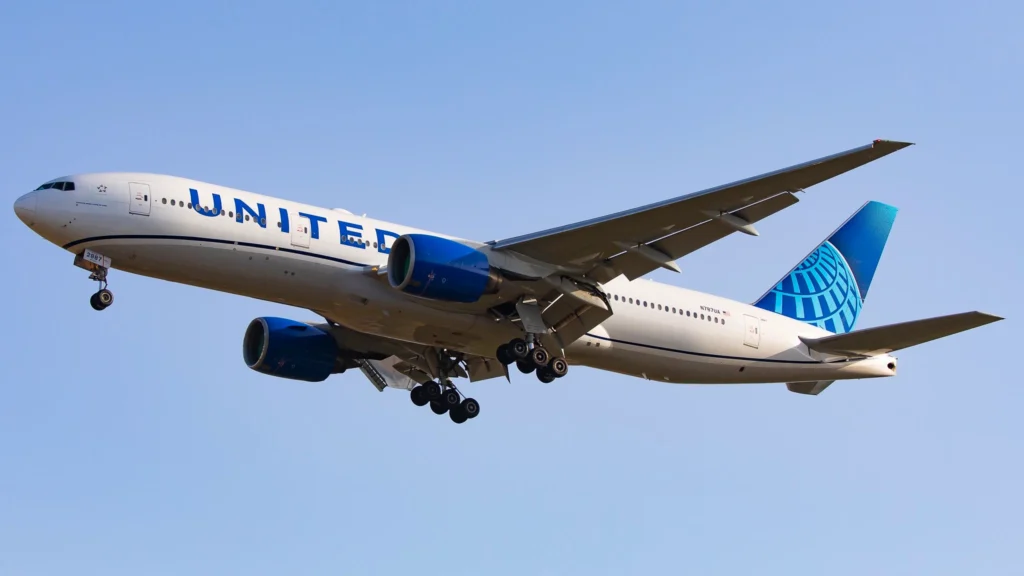
FAA Extends Newark Flight Caps
The FAA’s extension builds on previous measures aimed at enhancing on-time performance at one of the busiest airports in the nation.
By adjusting flight schedules to better match realistic capacity, the policy has successfully reduced delays and enhanced punctuality for passengers at EWR.
United Airlines highlighted that bookings from Newark have seen a rebound since the policy took effect. In communications to employees, the airline indicated that these limits align with both the physical capacity of the airport and the FAA’s personnel resources.
Additionally, the extension stands to benefit not just customers but also the nearly 15,000 employees United has based at EWR.
While these restrictions bolster United’s market position in Newark, they may lead to a reduction in total flights, slightly diminishing the airline’s share in the New York City aviation market. This shift could create opportunities for competitors like Delta Air Lines (DL) to expand.
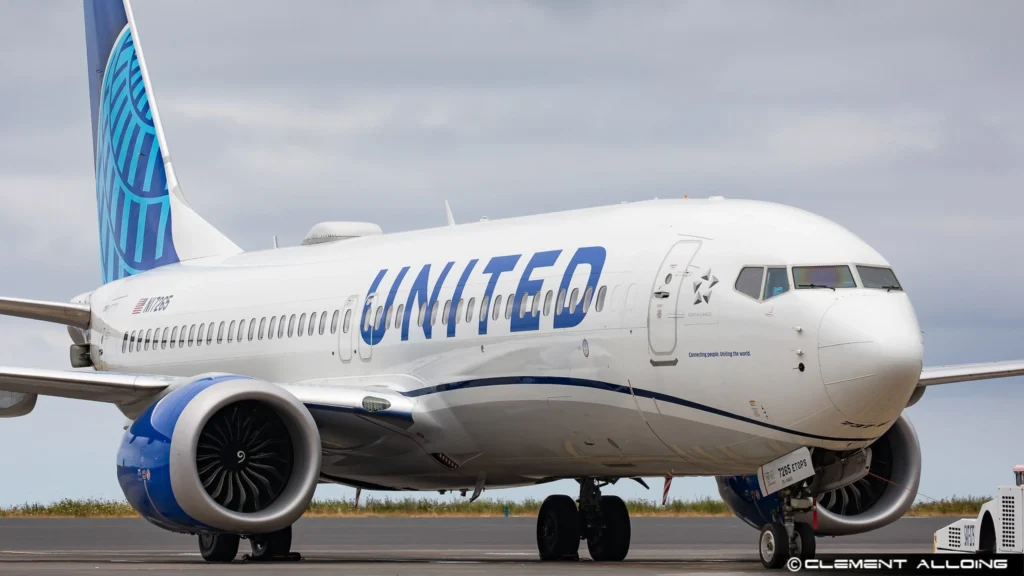
Capacity Extension
United’s CEO, Scott Kirby, commended the decision, asserting that Newark (EWR) now regularly excels in on-time performance within the New York City area.
He attributed this progress to effective FAA leadership and oversight from the Transportation Department, ensuring flight schedules align with the airport’s actual capabilities.
Kirby referred to Newark as a “safe and reliable crown jewel” for millions of travelers, whether domestic or international.
However, this extension might result in fewer available seats and potentially higher fares. United justifies such trade-offs with the enhancements in punctuality and reductions in congestion.
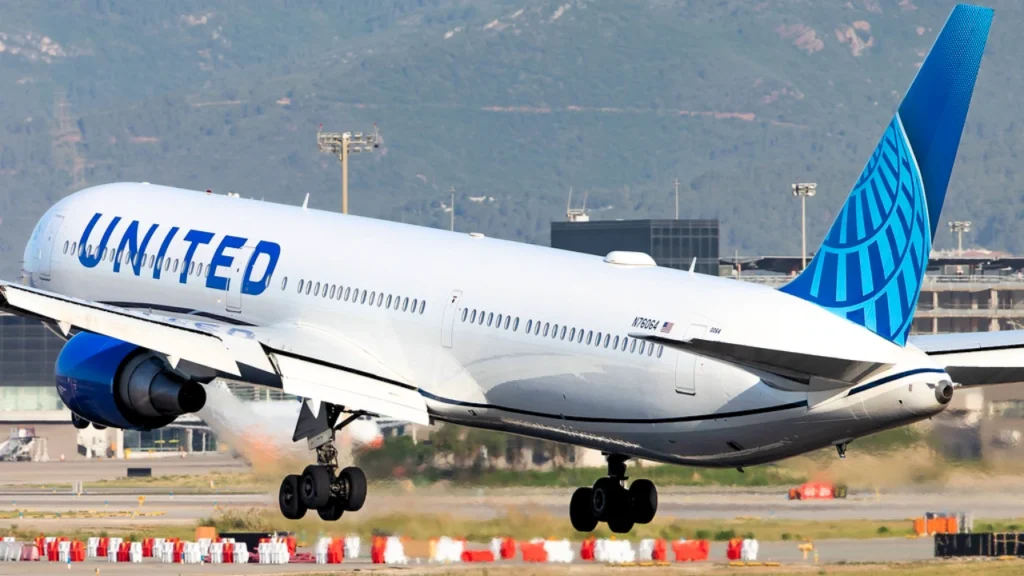
Passenger Impact
For travelers, these developments promise fewer delays, although there may also be a reduction in available options, particularly during peak travel seasons. While summer storms and operational issues can still lead to disruptions, Newark’s performance has generally seen improvements since the caps were established.
This decision by the FAA marks a rare case where the leading airline at an airport supports a government-imposed restriction, prioritizing reliability and operational integrity over sheer volume.
What do you think about the impact of these capacity limits on air travel experiences?