Singapore Airlines Partner Seeks $1.1 Billion Following Plane Accident

DELHI- Following the tragic crash in Ahmedabad (AMD) that resulted in over 240 fatalities, Air India (AI) has requested ₹10,000 crore ($1.1 billion) in financial support from its stakeholders, Tata Sons and Singapore Airlines (SQ), as reported by Bloomberg.
This funding is intended to aid the airline’s recovery efforts, enhance internal systems, and develop its own engineering and maintenance capabilities as part of a comprehensive turnaround strategy.
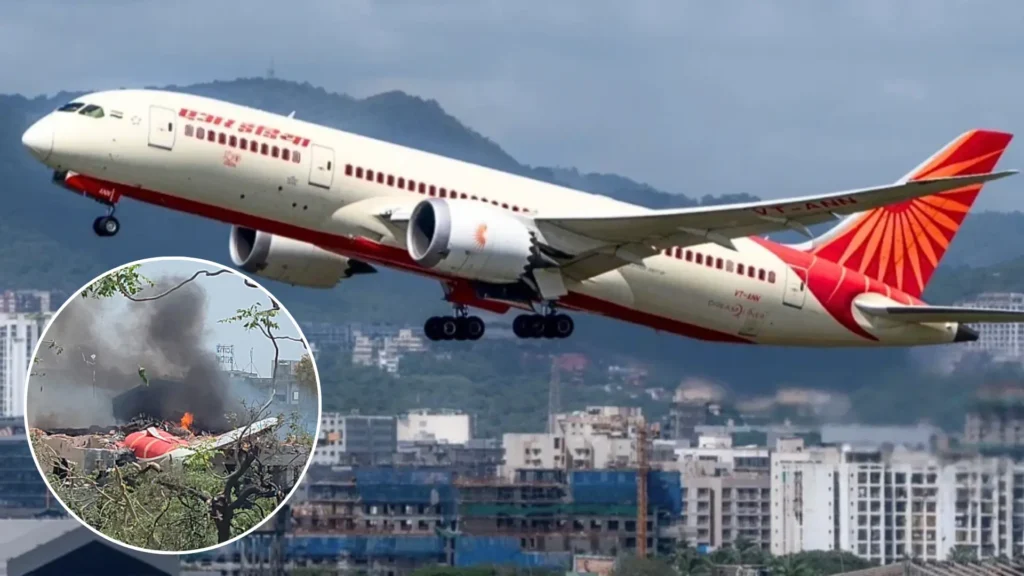
Air India Requests $1.1 Billion Support
Jjointly owned by Tata Sons (74.9%) and Singapore Airlines (25.1%), Air India has been grappling with financial challenges despite its ongoing restructuring efforts.
The proposed investment is expected to be distributed proportionally between the two stakeholders, although the method—whether as equity or an interest-free loan—remains undecided.
This airline, which had initially aimed to break even by March next year, is now facing increasing uncertainty. Mounting losses, escalating operating expenses, and intense competition in India’s aviation market have complicated recovery prospects.
Currently, InterGlobe Aviation operates IndiGo Airlines (6E) as the only profitable domestic carrier, commanding a 64% market share, which underscores the financial disparity within the industry.
Air India’s financial health was already under pressure before the Ahmedabad incident. Heightened operational costs arose from longer westbound routes due to airspace restrictions between India and Pakistan following military tensions in May.
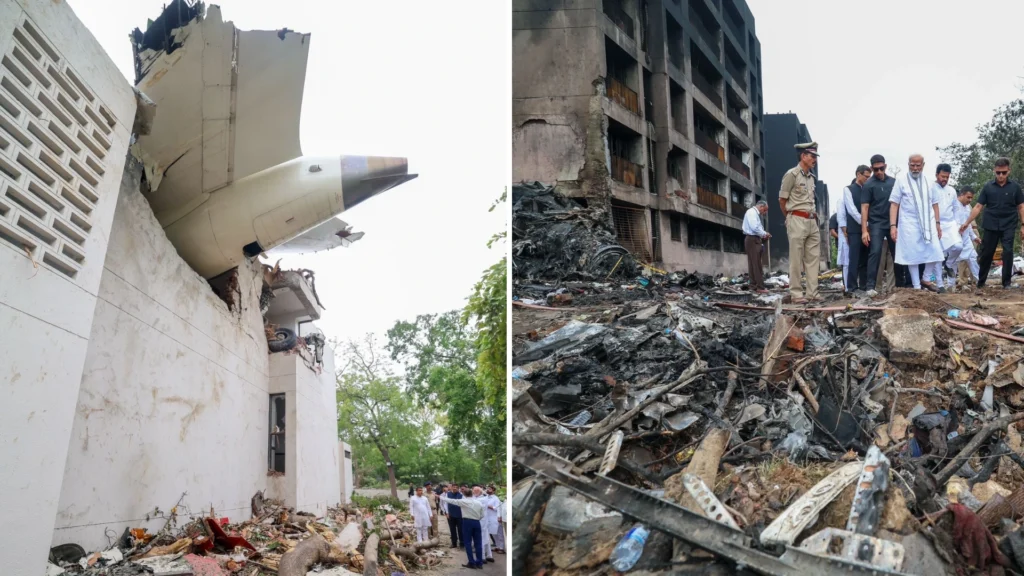
The situation worsened on June 12 when a Boeing 787 Dreamliner heading to London (LHR) crashed soon after departure from Ahmedabad, resulting in the loss of nearly all passengers and crew.
The Directorate General of Civil Aviation (DGCA) swiftly initiated a thorough safety audit of Air India’s operations, leading to a 15% reduction in widebody international flights between June and August, further compounding revenue losses.
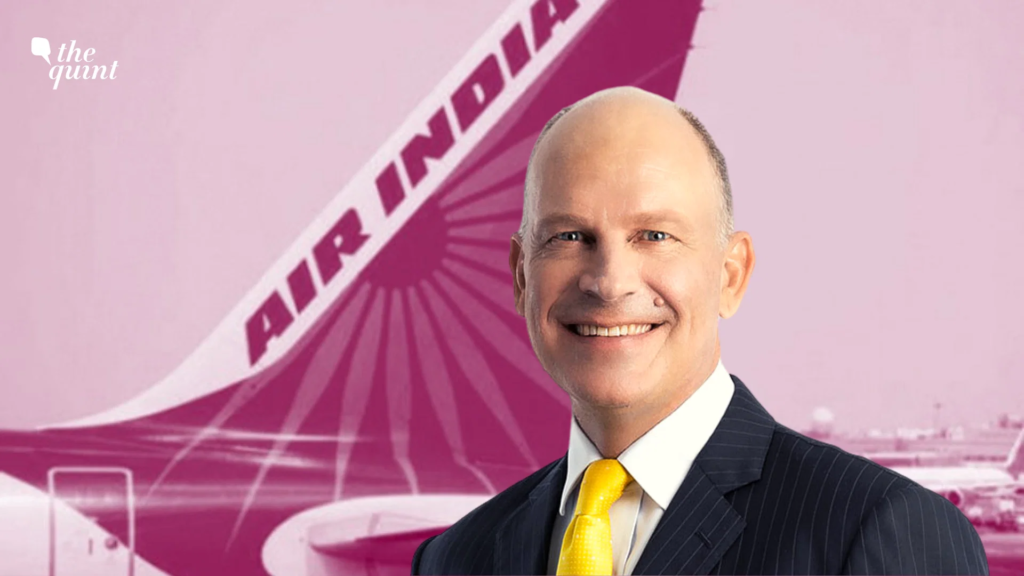
Campbell Wilson, CEO of Air India, indicated that the preliminary findings from the Aircraft Accident Investigation Bureau (AAIB) revealed no operational or technical defects within the airline’s framework after the June 12 crash.
During his address at the Aviation India 2025 Summit, Wilson noted that the investigation found no discrepancies with the Boeing 787’s engines or protocols, suggesting the incident may have been caused by external factors.
The AAIB’s interim report pointed out that the Boeing 787-8 Dreamliner lost power when fuel supply was interrupted to both engines just seconds into the flight, resulting in the tragic loss of all 241 individuals onboard.
Wilson emphasized that the report confirmed the integrity of Air India’s safety measures, maintenance routines, and operational protocols. “Any incident in the industry invites self-reflection and improvement,” he stated, adding that the report identified no flaws in the aircraft’s engines or maintenance practices.
Even though Air India is not directly involved in the official investigation, Wilson assured that the airline is fully cooperating with the authorities and is committed to transparency. “We are collaborating with investigators and eagerly await the final report. If any lessons emerge, we’ll ensure they’re implemented,” he added.
Support for Affected Families
In the wake of the accident, Air India deployed over 600 staff members to assist local authorities and aid impacted families.
The airline, in collaboration with Tata Sons, has established a trust fund to manage compensation and financial support.
Wilson confirmed that ex-gratia payments were made to all affected families, with final compensation currently being finalized. “Both Air India and Tata are dedicated to doing everything possible to provide closure for those impacted,” he reassured.
Normal Operations Resuming
In response to the crash, Air India voluntarily instituted additional operational checks across its fleet. These protocols were adopted for precaution and regulatory adherence.
According to Wilson, these enhanced checks are now being gradually scaled back as operations return to their regular pace.
He reiterated that safety is the airline’s highest priority, with continuous evaluations of every operational procedure underway.
Fleet Renewal Initiatives
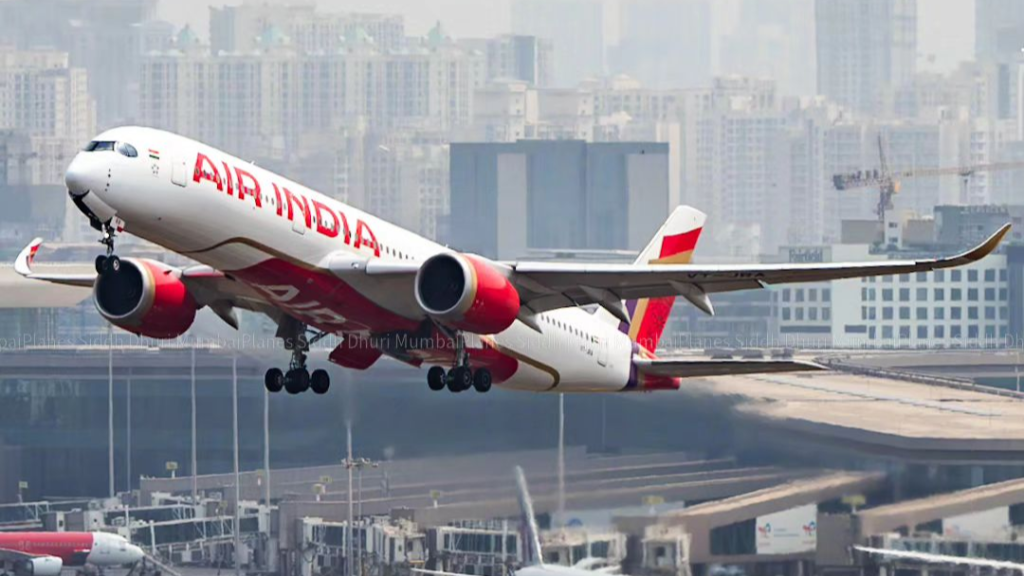
Air India (AI) aims to introduce one new wide-body aircraft every six weeks starting in 2026, which marks a significant step in its fleet modernization plan. This initiative supports the airline’s ambition of transforming into a modern, competitive player in the global market by 2028, according to CEO Campbell Wilson.
The expansion involves the delivery of Boeing 787-9s and Airbus A350-1000s, along with a comprehensive refurbishment of its existing Boeing 787 and 777 fleets. This aligns with Air India’s five-year transformation framework enacted post-privatization in 2022.
The initial Boeing 787-9 is set to join the fleet in December 2025, followed by a consistent delivery rhythm of one wide-body aircraft every six weeks throughout 2026.
The incoming jets will comprise multiple 787-9s and two Airbus A350-1000s slated for the 2026 fiscal year. These jets are part of a colossal order of 570 aircraft from Boeing and Airbus, which includes 68 wide-body models. Six A350s have already been acquired for the fleet.
Considering the entirety of Air India Group, which includes Air India Express, nearly 57 new aircraft have been integrated into its fleet. The group anticipates sustaining an overall induction pace of one new aircraft every six to seven days over the coming years, significantly boosting capacity and operational reach.
Refurbishment Plans
By 2027, Air India plans to refurbish all 26 Boeing 787 airplanes, updating seats, inflight entertainment systems, carpets, curtains, and lavatories.
The refurbishment of the 13 Boeing 777s is scheduled to begin in late 2026, with renovations continuing until 2028. These upgrades aim to align cabin interiors with current standards and maintain consistency across the fleet.
This extensive initiative supports Air India’s aim to redefine its long-haul offerings, enhance reliability, and bolster international competitiveness.
Shifts in Indian Aviation Landscape
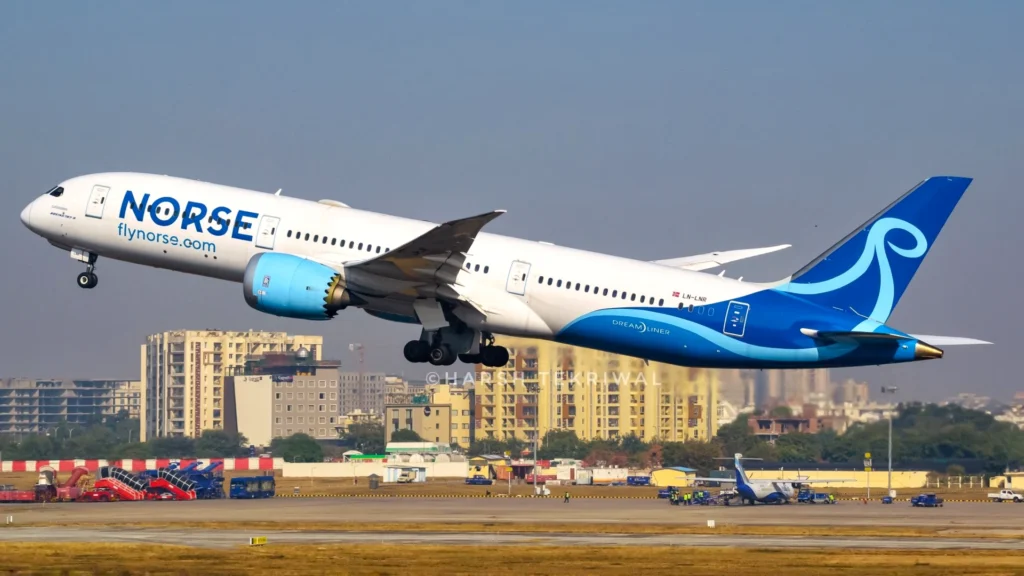
IndiGo (6E), India’s leading airline, is also gearing up for long-haul experiences with its first Airbus A350 wide-body arrivals set for 2027. Meanwhile, the airline has damp-leased four Boeing 787s from Norse to establish routes to Manchester (MAN), Amsterdam (AMS), Copenhagen (CPH), and London Heathrow (LHR).
Additionally, IndiGo will welcome its first long-range Airbus A321XLR narrow-body next month, enabling more direct pathways to Europe and Southeast Asia.
These advancements signal a significant transition in India’s aviation sector, with both Air India and IndiGo heavily investing to enhance international connectivity.
Challenges in Market Access and Slots
Campbell Wilson indicated that while regions like Europe, Australia, and North America enjoy Open Skies arrangements, Indian airlines face challenges regarding airport slot availability. Historically, foreign carriers have had the upper hand in securing slots on key international routes.
Wilson emphasized the importance of “equitable access” to international slots to facilitate the expansion of Indian airlines.
He noted that foreign airlines currently transport up to 90% of passengers transferring through their hubs, limiting India’s portion of international traffic.
Striking a balance between liberalization and the growth of domestic airlines is essential to safeguard ongoing investments in aircraft, maintenance, and tourism infrastructure.