How Congestion Pricing Can Reshape America’s Busiest Airport

Shaping Airport Access and Congestion Challenges at Newark
CHICAGO- Newark Liberty International Airport (EWR) and United Airlines (UA) are at the forefront of discussions regarding airport accessibility and congestion pricing. This dialogue gained traction when United’s CEO pointed out the impact of air traffic control limitations on delays at key hubs.
Newark (EWR) experiences distinct scheduling challenges. The broader question remains whether slot controls at airports truly enhance service or hinder competition.
As noted by various industry experts, the existing slot regulations have birthed inefficiencies that may not align with contemporary aviation demands.
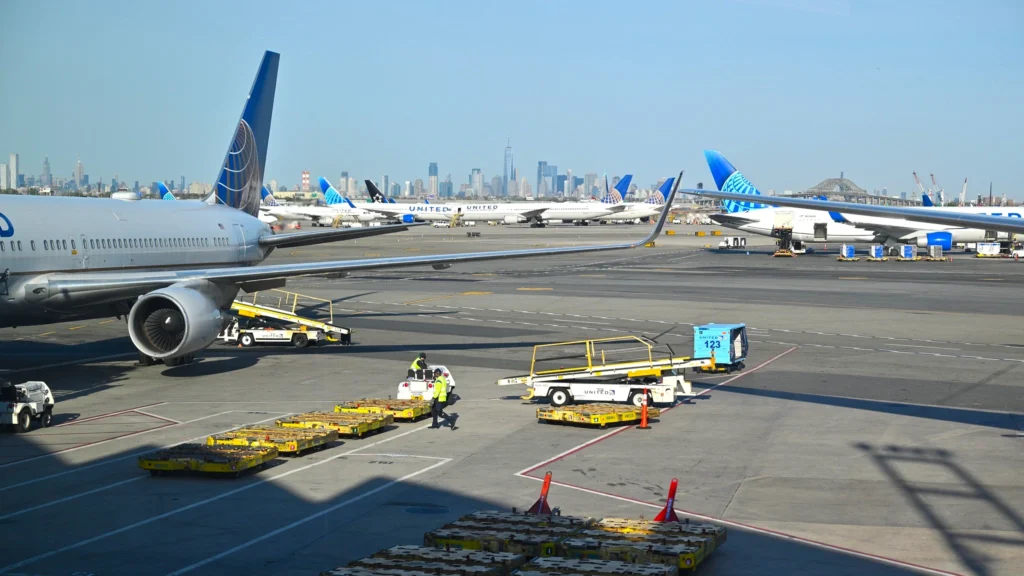
Understanding Newark Airport Congestion Pricing
The intention behind the slot system is to manage traffic at busy airports. Unfortunately, it often provides existing airlines with a preferential edge. Newark (EWR) serves as a prime example of how poorly coordinated schedules combined with restricted runway capacity can lead to frequent delays.
United Airlines insists that the math of capacity necessitates limits. However, the overarching issue is the optimal distribution of limited runway time without skewing competition.
Slots are essentially operating rights conferred by the government, which airlines hold indefinitely, often without compensating for the value they generate.
When weather or traffic control challenges arise, the fixed allocation of slots fails to adjust effectively.
In contrast, congestion pricing ties the costs of delays to the timing of flights, motivating airlines to make choices that reflect the actual impact on the broader system.

Challenges of Slot-Based Regulation
Slot controls are oriented around rigid hourly limits that often fail to accommodate changing situations, causing airlines to operate smaller aircraft merely to retain their slots.
This dynamic can lead to excessive congestion during peak periods and obstruct new entrants from gaining a foothold in the market.
The status quo locks in runway access without considering passenger needs or operational effectiveness.
A pricing-based model would enable airlines to modify schedules based on clear, fixed fee structures during specific times.
During times of high demand, charges would increase, and when operations flow smoothly, costs could remain minimal or nonexistent. This structure helps to spread out the demand, reducing congestion and incentivizing larger aircraft on high-demand routes.
Additionally, it creates opportunities for new airlines eager to enter the market, as they would no longer be hindered by slot ownership challenges.
Addressing Weather and ATC Challenges
Weather conditions and air traffic control limitations can drastically reduce runway capacity, complicating scheduling. Slots cannot keep pace with these challenges, leading to grounded flights and ad hoc rationing.
On the contrary, congestion pricing can adapt swiftly. Higher charges during constrained times prioritize flights that offer maximum relative value, allowing the system to stabilize while minimizing cascading delays.
Airlines already face fluctuating fuel costs and unpredictable demands. A transparent, variable pricing framework could seamlessly extend current planning strategies.
This system can be structured as revenue-neutral, balancing the costs through reduced fees, emphasizing efficiency over profit-making.
Impacts on Competition and Public Welfare
Some critics suggest that congestion pricing may disproportionately benefit wealthier travelers or larger airlines. However, the current slot system already reinforces the dominance of established players.
With a pricing approach, any airline can access peak times if they recognize sufficient value, levelizing the playing field.
For policymakers focused on serving smaller communities, targeted subsidies can be implemented without disturbing peak-hour operations for the broader network.
Removing slot controls at major airports would foster a more rational distribution of limited runway capacity and reduce entry barriers.
Airports would transition from a rationing system based on outdated rules to a dynamic one driven by market signals, thus rewarding flights that provide the highest passenger value and improving system-wide performance.
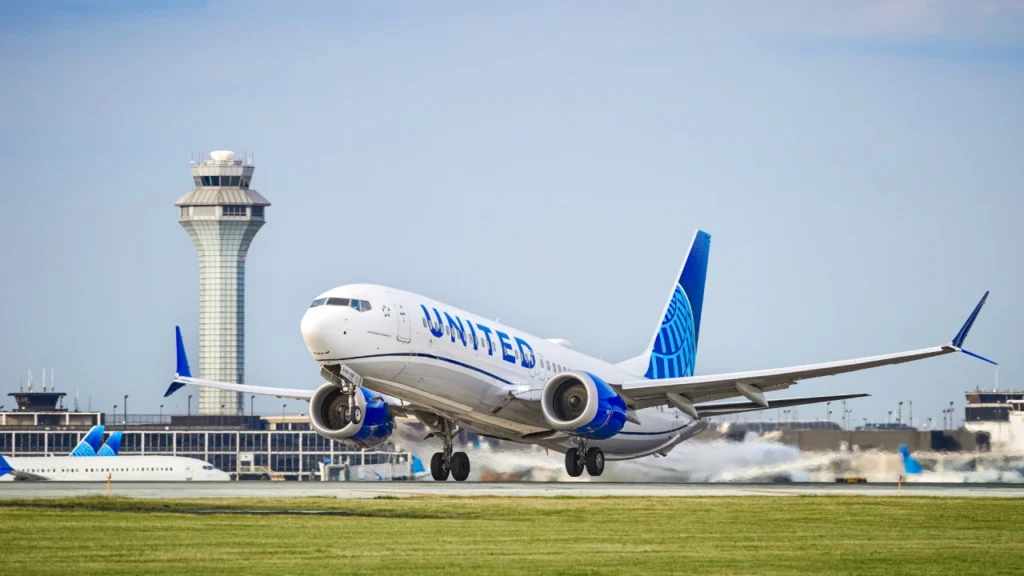
The United States faces ongoing challenges in infrastructure and regulations that restrain airport efficiency. Upholding outdated slot controls perpetuates inefficiencies and biases, ultimately misallocating capacity.
Transitioning to a congestion pricing model presents a modern solution that aligns economic interests with real-time needs. It fosters competition, promotes improved fleet management, and ensures that excess capacity contributes to system advancements.
Ultimately, adopting demand-based pricing could serve as a feasible and equitable resolution for chronically congested airports like Newark (EWR). Are you in favor of reforms like congestion pricing to enhance airport efficiency?