
Air Astana Expands Long-Haul Fleet with MoU for 50 Airbus A320neo Jets

Air Astana has recently entered a Memorandum of Understanding with Airbus for acquiring as many as 50 aircraft from the A320neo family. This marks a significant milestone for the airline as it represents its largest fleet commitment to date. The arrangement consists of 25 firm orders along with an additional 25 purchase options, pending approval from shareholders.
Peter Foster, CEO of Air Astana, expressed his enthusiasm, stating, “The Airbus A320neo family has proven to be an outstanding success in service with Air Astana over many years and I’m confident that the new fleet will continue to boost sustainable growth and profitability in the long term.” This showcases the airline’s commitment to enhancing operational efficiency and sustainability through expanded fleet capabilities.
The order encompasses both A320neo and A321neo models, with the first deliveries anticipated to begin in 2031. Notably, a significant portion of these aircraft is expected to be allocated to the A321LR variant, which Air Astana has relied on for the last five years to enhance its medium and long-haul services to destinations in Europe and Asia.
Following a major decision on widebody aircraft, Air Astana has also recently made headlines with a deal involving Boeing for up to 15 Dreamliners. This includes five firm orders for the 787-9 variant and ten additional options and purchase rights. These new entrants are set to replace the airline’s aging Boeing 767-300ER fleet and facilitate anticipated growth in long-haul travel, including potential routes to North America.
Combined, these orders demonstrate a dual renewal strategy that covers nearly every segment of Air Astana’s fleet. Currently, the airline operates a total of 62 aircraft, including 59 Airbus jets from the A320 family, which serve both Air Astana and its low-cost subsidiary, FlyArystan. Remarkably, the average age of the fleet is slightly over six years as the airline phases out older Embraer E190-E2 aircraft to streamline operations around a single-aisle Airbus platform.
FlyArystan has been experiencing rapid growth throughout Kazakhstan and Central Asia, utilizing high-density A320s. Meanwhile, Air Astana continues to offer a two-class service across its Airbus and Boeing fleets. The larger order for the A320neo family is projected to bolster both of the airline’s brands in the coming years.
Before finalizing the agreement, Air Astana will need to secure shareholder approval. The timeline for deliveries will depend on Airbus’s production availability into the 2030s.
How do you think this fleet expansion will impact Air Astana’s market presence in the coming years?
Similar Posts

IndiGo Chennai-Mumbai Flight Experiences Tire Burst
On April 26, 2025, an IndiGo flight (6E5104) at Chennai International Airport experienced a tyre burst before its departure to Mumbai. The Boeing 737, leased from Corendon Airlines, had its takeoff delayed by about two hours after the pilot detected a deflated tyre. Safety protocols were promptly enacted, involving engineers and Airports Authority of India officials who replaced the damaged tyre. IndiGo expressed regret for the disruption, reaffirming its commitment to safety. This incident is not isolated, as the airline has faced similar tyre issues in the past, highlighting the need for rigorous maintenance and safety checks in aviation.
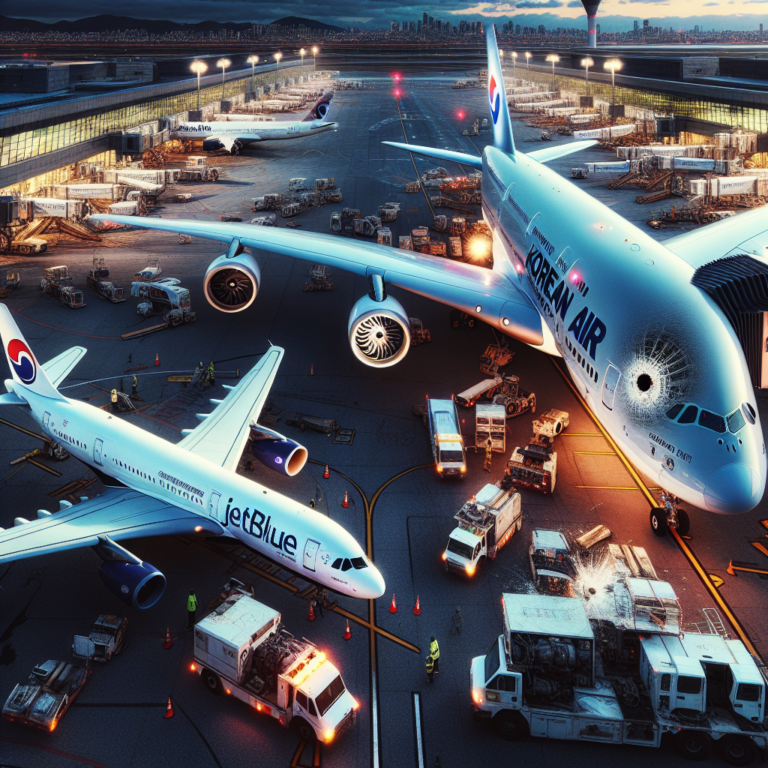
Korean Air A380 Blast Damages JetBlue A321 Windshield in NYC
On December 5, 2024, a Korean Air Airbus A380’s jet blast damaged the windshield of a JetBlue Airbus A321 at JFK Airport while the JetBlue plane was taxiing. The incident occurred around 7:20 PM as the JetBlue aircraft was in front of Terminal 5, with debris striking the left-side windshield and shattering it. The FAA has been notified and is set to investigate the event, which thankfully resulted in no injuries. This incident raises concerns about aviation safety, particularly regarding jet blasts at busy airports, prompting calls for enhanced safety measures and protocols.
Etihad Celebrates India’s Independence Day with 30% Discounts on US & Europe Flights
error code: 524 See also Passengers Sue United and Delta Over…

2025 Pilot Salaries at WestJet Airlines Revealed
WestJet Airlines, Canada’s second-largest airline, has transitioned to a full-service model since 2018, offering over 750 daily flights to more than 100 destinations. Aspiring pilots can expect competitive salaries, with first officers earning between CA$78,000 and CA$188,000, while captains earn between CA$190,000 and CA$310,000 annually. Benefits include comprehensive insurance, flexible shifts, and travel perks. To become a pilot, candidates need 2,000 flight hours, a valid ATPL, and proficiency in English. WestJet’s fleet consists mainly of Boeing aircraft, including the 737 series and 787-9, ensuring a modern flying experience for pilots.
Emirates Enhances Power Bank Regulations to Prevent Mid-Flight Battery Fires
Emirates has implemented a new policy restricting the use of power…

Air India Delays Boeing Orders Amid Backlog Issues
Air India has delayed its aircraft purchases from Boeing until the manufacturer resolves its backlog. CEO Campbell Wilson emphasized the airline’s cautious approach, stating the need for confidence in delivery timelines. This mutual uncertainty may prolong Air India’s orders. The airline’s Vihaan.AI program aims to restructure and enhance competitiveness, focusing on investment, international route expansion, and better aircraft utilization. External factors, such as the FAA’s production cap on Boeing 737 MAX due to safety concerns, also impact procurement. Despite challenges, Air India remains optimistic about its future and committed to improving its operations while engaging stakeholders.