British Airways A380 Makes Emergency Landing in Madrid Due to Crew Regulations

LONDON- British Airways (BA) encountered a notable operational issue when flight BA54, traveling from Johannesburg (JNB) to London Heathrow (LHR), faced an extensive delay that jeopardized the situation for up to 469 passengers onboard.
Due to crew reaching their legal working hours, the airline diverted the aircraft to Madrid (MAD) and initiated a swift rescue operation.
The ordeal began at OR Tambo International Airport (JNB), where recurring technical difficulties delayed the flight.
After a 7-hour delay, the crew could not legally complete the long-haul flight to London, leading British Airways to divert the flight mid-route.
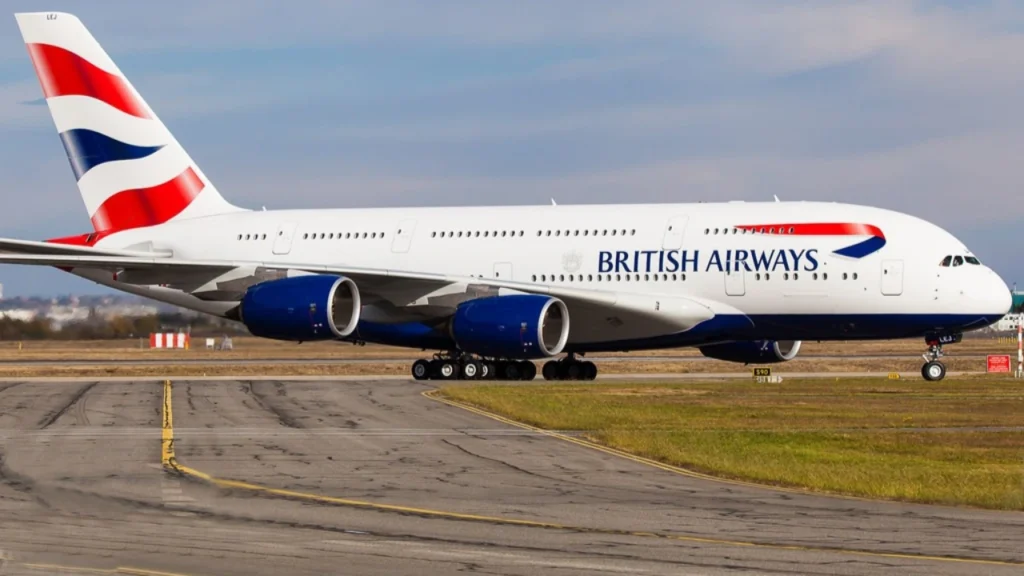
British Airways A380 Diverted to Madrid
Flight BA54 was intended to leave at 22:00 on November 21, but continuous technical issues pushed the departure to 05:00, as indicated by public flight-tracking data.
According to UK Flight Time Regulations, established post-Brexit, crew members must adhere to strict duty-time limits. This includes provision for rest in onboard sleeping quarters, but total duty time cannot exceed 18 hours.
Currently, there were no available relief pilots or cabin crew in Johannesburg, leaving British Airways unable to replace the tired team.
To prevent a cancellation, the airline opted for a diversion to Madrid, thereby keeping the crew within legal duty limits.
According to reports, the Airbus A380 was rerouted to Madrid, where two empty Airbus A321 aircraft were quickly sent to collect as many passengers as possible.
Other travelers were placed on different British Airways flights or Iberia services based in Madrid.
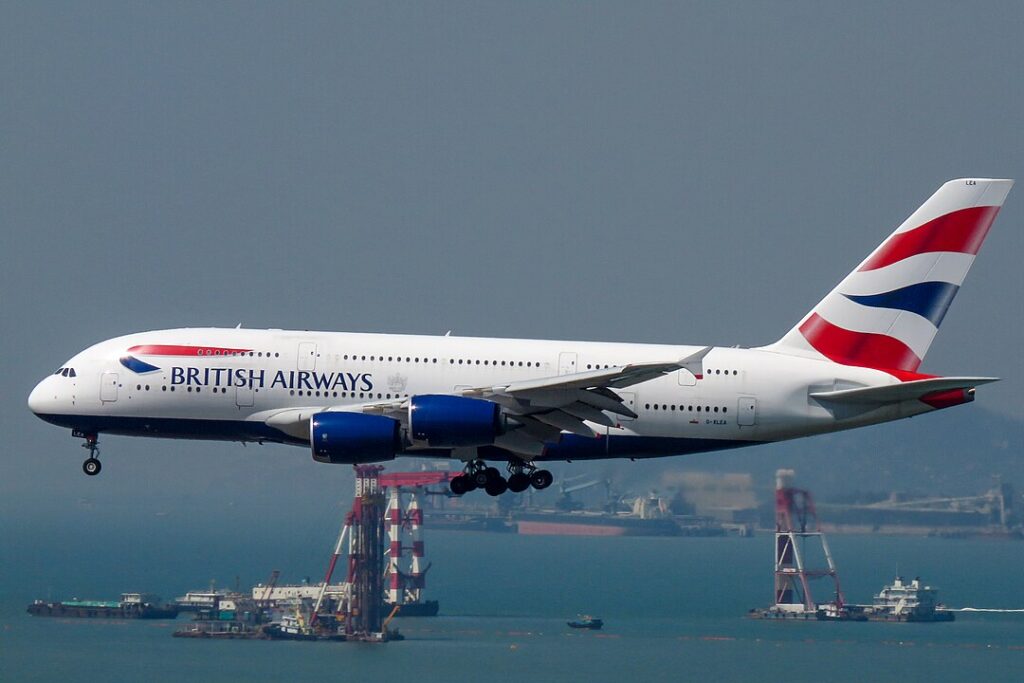
Operational Challenges Created by Duty Regulations
To ensure operational safety, airlines must abide by stringent crew duty policies. If a delay extends a crew’s working hours beyond permissible limits, the flight cannot proceed legally.
The delay in Johannesburg, together with the crew’s accumulated duty time before departure, brought them dangerously close to the 18-hour limit.
Since onboard rest could not fully mitigate the disruption’s effects, British Airways navigated the situation by diverting the aircraft to stay compliant with safety standards.
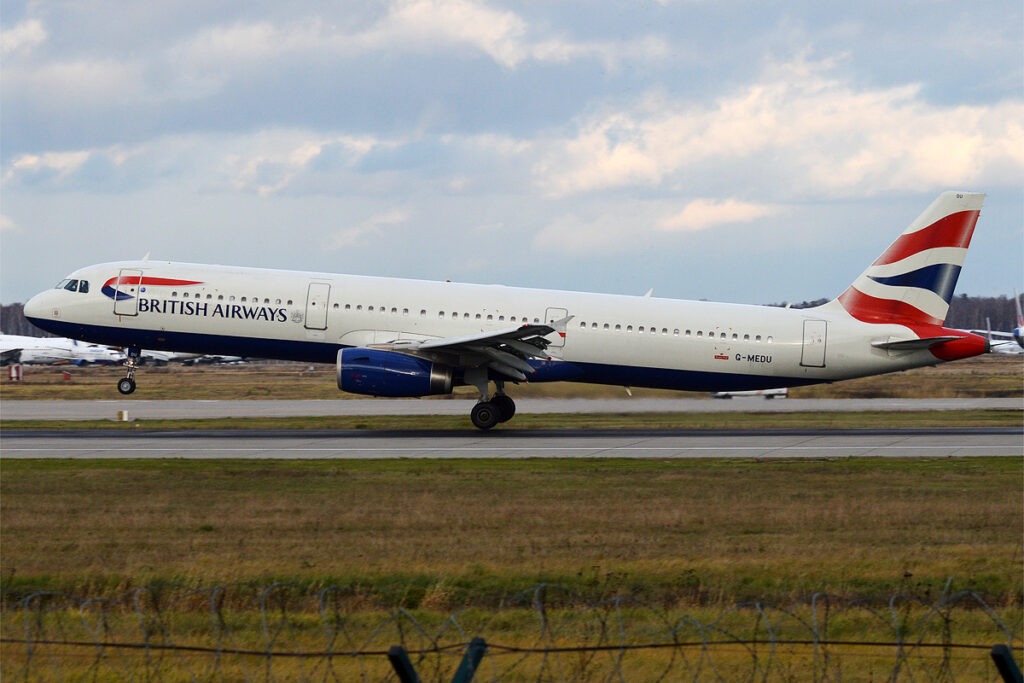
Similar Incident
This incident is not isolated. Earlier this year, a British Airways flight from Nassau to London Heathrow had to divert to Gander in Canada due to a medical emergency.
Upon landing, it was clear the crew did not have sufficient duty time to make it to London. To avoid leaving passengers stranded in Gander, the crew flew the aircraft as far as they legally could, landing at Keflavík International Airport in Iceland.
Subsequently, British Airways dispatched an Airbus A321 with a new crew to complete the journey.
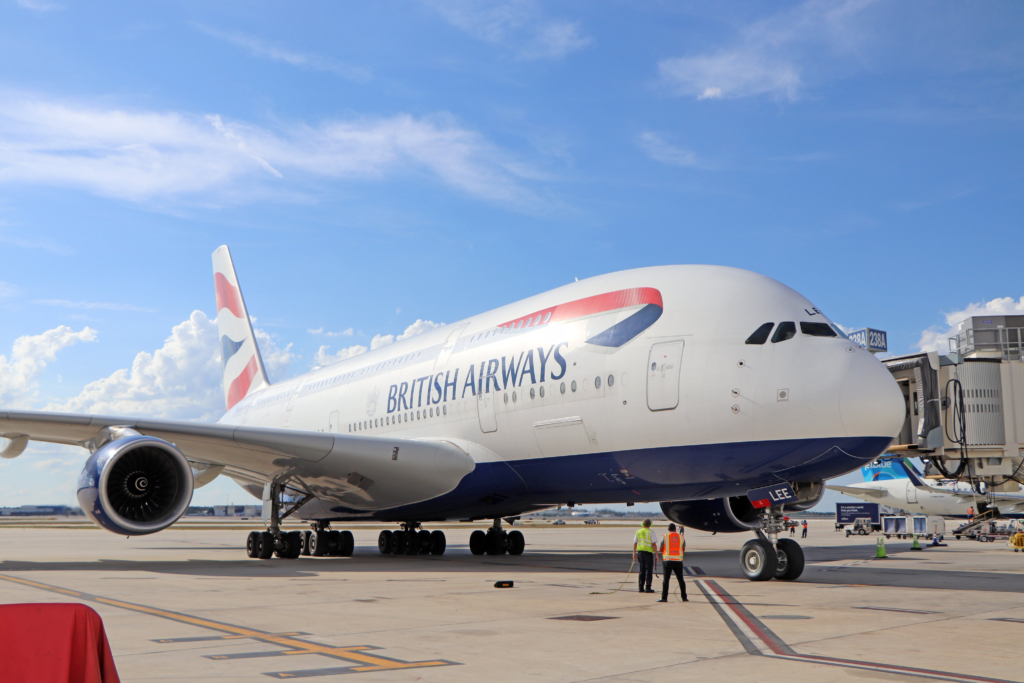
How Airlines Coordinate Rescue Operations
Coordinating rescue operations involves quickly evaluating crew duty time limits, aircraft availability, and diversion airports.
The chosen airports must manage large aircraft, offer operational assistance, and ensure onward connections for displaced passengers.
By deploying additional aircraft, like the two A321s sent to Madrid, airlines can limit disruptions and prevent mass stranding of passengers. This organized approach helps protect flight schedules while adhering to regulatory guidelines.